No Medical Updates Provided
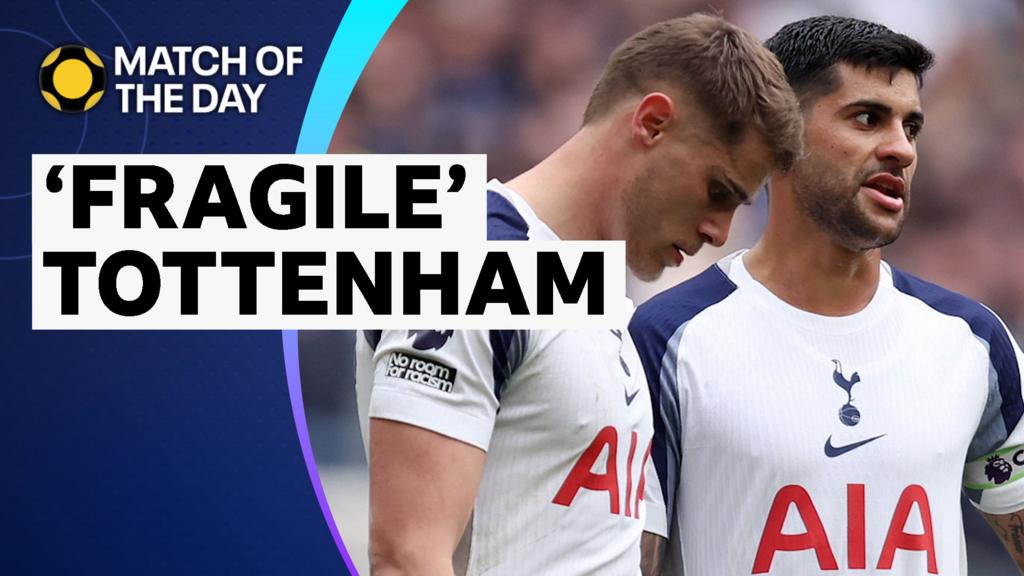
The current news wire does not contain any confirmed medical updates or injury reports. The provided source material exclusively covers the latest managerial casualty in North London, with Tottenham Hotspur parting company with Igor Tudor after a disastrous 44-day spell. However, from a medical and sports science perspective, this level of structural instability is exactly what triggers an injury crisis.
You cannot change managers multiple times in a single season without breaking your players. Each new coach brings a completely different training methodology, a different loading phase, and a fundamentally different set of physical demands.
The squad has just spent the last six weeks attempting to adapt to Tudor's specific requirements, and now they are being asked to reset once again. The physiological toll of this constant whiplash cannot be overstated.
According to The Guardian, Tudor failed to win a single league match during his seven-game tenure. Spurs are now mired in a genuine relegation battle.
When a team drops into the relegation zone, the medical department's job becomes infinitely harder. Desperation seeps into every decision, from training ground intensity to matchday squad selection.
The Physical Toll of Managerial Whiplash
Modern sports science relies heavily on predictability. Periodization—the systematic planning of athletic training to achieve peak performance—requires a stable baseline. When a club sacks a manager after 44 days, that baseline is entirely destroyed.
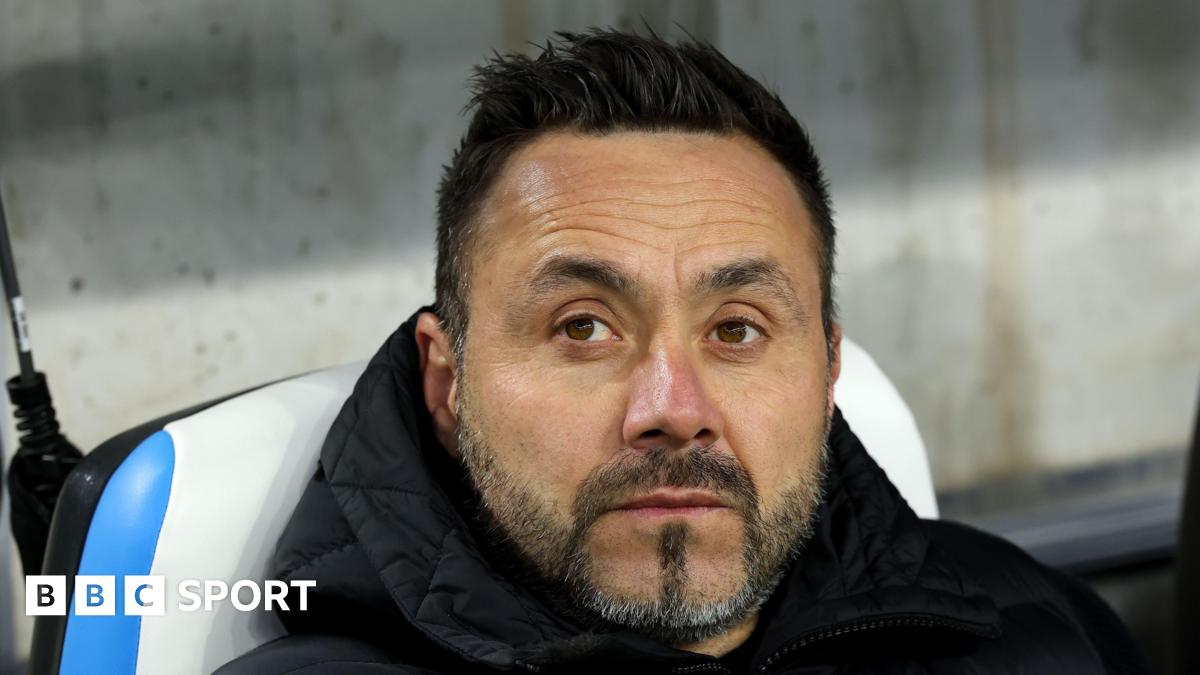
Tudor demands a specific type of high-intensity running and defensive pressing. Whoever preceded him had their own methods. Now, Spurs are reportedly targeting former Brighton manager Roberto De Zerbi to save them from the drop.
If De Zerbi is appointed, the physical shock to the system will be immense. De Zerbi's tactical setup is infamous for its rigid structural demands. He requires center-backs to hold the ball under extreme pressure, baiting the opposition press before exploiting the space left behind.
This system relies heavily on explosive, short-burst sprints from the fullbacks and wingers once the initial press is broken.
Transitioning to that demanding style mid-season, with a squad completely devoid of confidence, is a recipe for muscular injuries. Hamstrings and groins will be operating in the red zone constantly.
De Zerbi does not compromise on his style, and he won't have the luxury of a pre-season camp to build the necessary aerobic capacity. He has to implement his demanding system immediately, while the players are already carrying 30-plus games of accumulated fatigue.
Relegation Dogfights and Playing Through Pain
There is also the psychological weight of the relegation zone, which physically manifests on the pitch. In a relegation scrap, players instinctively start hiding injuries.
A minor calf strain that might easily get two weeks of careful rest in November suddenly becomes something you take a painkilling injection for in April. The stakes are simply too high. Nobody wants to be the guy sitting in the stands wearing a tracksuit while the club drops into the Championship.
This is exactly where the medical staff at Hotspur Way are going to earn their paychecks. They have to protect the players from themselves, and increasingly, from the board's chaotic decision-making.
You simply cannot ask a squad to absorb the tactical information of three different managers in a single campaign without paying a severe physical tax. The cognitive overload alone contributes to a fraction of a second delay in reaction times, which is exactly when dangerous impact injuries occur.
Tudor's seven games in 44 days translates to a match roughly every six days. That is a heavy, relentless load for a team constantly chasing games.
The complete lack of a league win under his tenure means they have likely spent the vast majority of those matches out of possession. Chasing the ball requires significantly more high-speed running and rapid changes of direction than controlling the game with possession, meaning the players are physically drained.
The De Zerbi Dilemma
Looking at the broader picture, appointing De Zerbi feels like a massive, terrifying gamble for a team needing immediate, ugly points. De Zerbi's football is highly choreographed.
It takes months of repetitive training ground drills to perfect the passing angles and the precise timing of the movements. Brighton looked brilliant under him because they had the time and stability to internalize those patterns of play. Spurs do not have time. They have panic.
If he attempts to force this fragile squad to play his brand of football in a relegation scrap, the turnover rate in the defensive third will be catastrophic. Opposing teams will simply set traps, wait for the inevitable misplaced pass from a nervous, fatigued defender, and punish them mercilessly.
The physical consequence of those high-risk turnovers is the desperate, scrambling recovery runs that inevitably lead to blown hamstrings, cynical fouls, and red cards.
The Guardian report accurately notes that this managerial change is a desperate attempt to halt the slide. Desperation rarely breeds good medical outcomes.
The fitness department will be bracing for an influx of soft-tissue problems over the next month. The players are already fatigued, their confidence is entirely shattered, and they are about to be asked to learn a highly complex tactical system on the fly.
Looking Ahead to the Brutal Run-In
With the domestic calendar tightly compressed leading into the summer, the final weeks of the Premier League season are going to be absolutely brutal. Spurs need a miracle to survive, but more pressingly, they need a manager who understands the physical limitations of this specific squad right now.
De Zerbi might be a brilliant tactician, but he is walking into a medical and fitness minefield. The next manager has to strip everything back to the absolute basics.
Deep defensive blocks, minimal space left in behind the defensive line, and highly structured counter-attacks. That is how you survive a relegation battle when your squad is running on fumes and held together by athletic tape.
Asking them to suddenly become a prime possession-based team in their own defensive third is athletic suicide.
We will be closely monitoring the training ground reports over the coming days. The first few sessions under a new manager always reveal the underlying fitness issues that have been hidden during the previous regime.
Do not be surprised if we see two or three key players suddenly pick up unexplained muscular problems as their bodies rebel against yet another shift in training intensity. The news wire might be completely quiet on the injury front today, but Tottenham's boardroom chaos guarantees the physio room won't be empty for long.