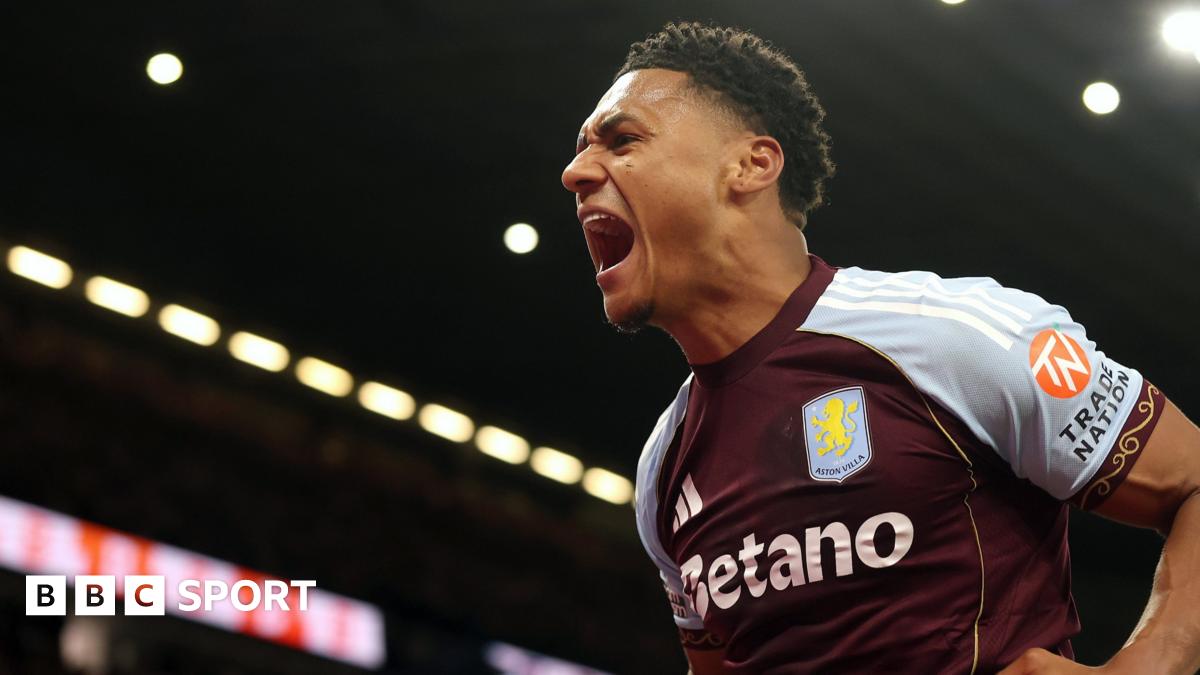
The data confirms the eye test on England's striker dilemma
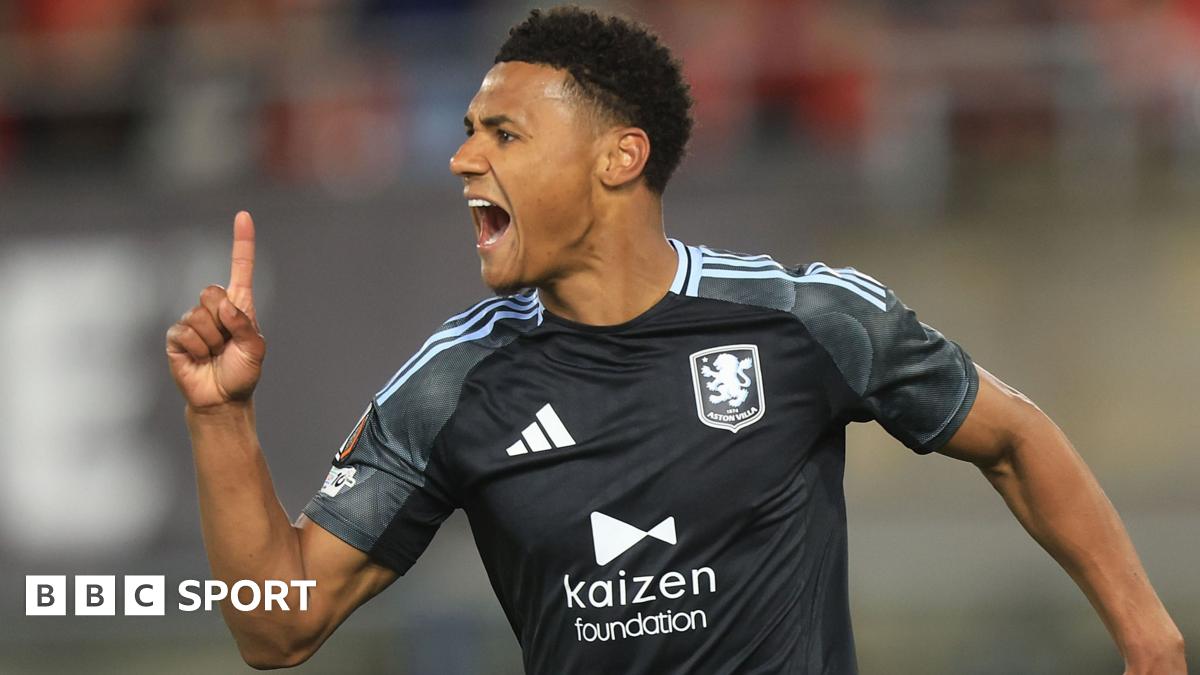
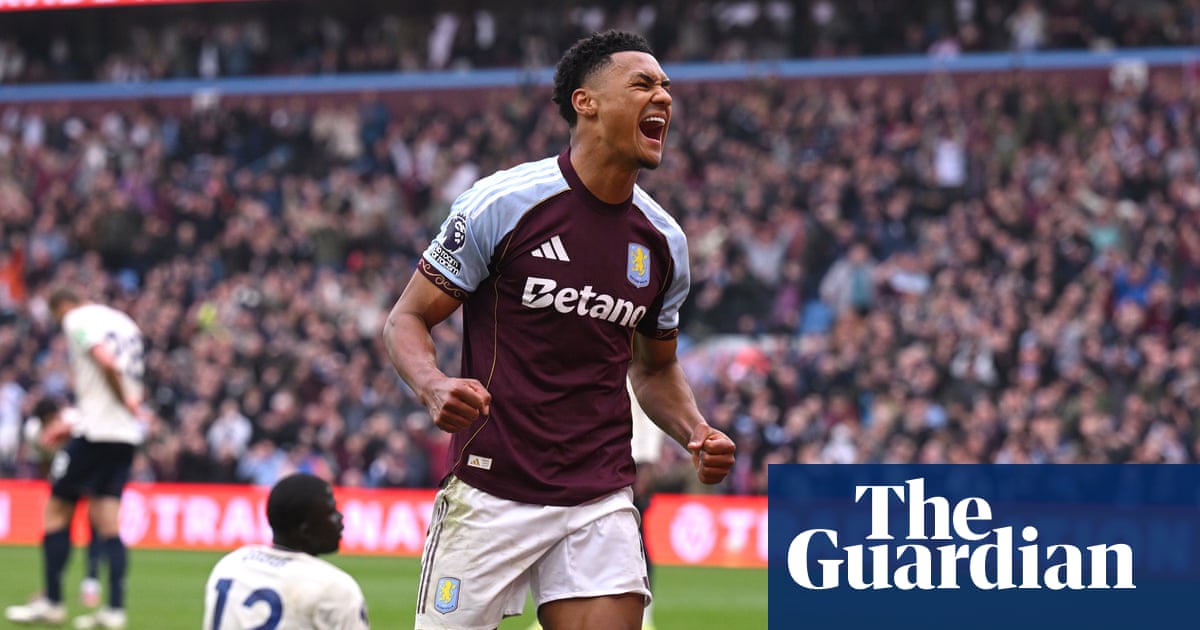
England fans are currently wrestling with a reality that felt impossible two years ago. Harry Kane is no longer the undisputed, most effective option to lead the line for the national team. As we approach the 2026 World Cup kickoff on June 11, the numbers suggest a fundamental shift in the hierarchy. Ollie Watkins isn't just knocking on the door; he has effectively removed it from the hinges.
Technical analysis of the final two months of the domestic season reveals a startling divergence in profiles. While Kane remains a master of the penalty box and a generational playmaker, his physical output has plateaued. Watkins, conversely, is playing with a verticality that changes how defenders have to structure their backline. He is stretching teams in ways that a deep-dropping Kane simply cannot do at this stage of his career.
According to recent BBC reporting, Watkins was written off as recently as March. He missed out on the squad for the spring friendlies during a temporary dip in form. That snub appears to have been the catalyst for a data-defying run of performances that has seen him outperform every English forward in Europe since April.
The structural cost of the deep-dropping Kane
The argument for Harry Kane has always been his ability to function as a number ten and a number nine simultaneously. In previous tournaments, this was a feature. Now, it is increasingly becoming a bug. When Kane drops into the center circle to spray passes to the wings, he leaves the opposition center-backs with nothing to do. They can stay compact, squeeze the space, and negate the threat of players like Bukayo Saka or Phil Foden.
Watkins offers the opposite tactical profile. He lives on the shoulder of the last man. His heat map from the last six weeks shows a concentrated density of touches inside the width of the goalposts. By staying high and threatening the space behind, he forces the opposition defensive line to drop five yards deeper. This creates the exact pocket of space that Foden and Jude Bellingham need to operate in.
If you look at the sprint data from the last month, Watkins is clocking 23 high-intensity runs per game. Kane is managing fewer than ten in the same timeframe. In a modern high-pressing system, that delta is massive. You cannot press effectively from the front if your primary trigger point is moving at a jog while the rest of the team is in a full sprint.
Why the March snub was the best thing for Watkins
Being left out of the March international window felt like the end of the road for Watkins' World Cup dreams. At 30 years old, these windows don't stay open forever. However, the rest period allowed him to recover from a minor Achilles issue that had been quietly dampening his explosive power. He returned to his club side looking like a completely different athlete.
His finishing has also reached a level of clinical efficiency that usually belongs to the elite. In his last eight appearances, Watkins has converted 38% of his big chances. For context, Kane’s conversion rate in the same period has dipped below 22% during a difficult stretch at Bayern Munich. Form is temporary, but the underlying metrics suggest Watkins has found a sustainable way to optimize his movement.
The mental fortitude required to bounce back from that kind of public rejection cannot be overstated. Most players in their thirties would have faded into the background. Watkins instead doubled down on his pressing triggers and improved his back-to-goal link-up play. He is no longer just a runner; he is a focal point who can hold off physical center-halves before spinning into space.
The critical flaw in the Watkins hype train
It would be dishonest to suggest Watkins is a perfect replacement for a peak Harry Kane. There is one area where the gap remains cavernous: composure under extreme pressure. In a World Cup semi-final, when the game is level in the 88th minute and the ball falls to a striker, most managers would still put their mortgage on Kane. Watkins still has a tendency to snatch at half-chances when the stakes are highest.
There is also the question of international pedigree. Kane has led this team through three major tournaments and knows how to manage the referees, the media, and the internal squad dynamics. Watkins is still effectively a newcomer in terms of high-leverage knockout football. Throwing him into the starting XI for the opener against a low-block opponent could backfire if he doesn't find his rhythm in the first twenty minutes.
Furthermore, Watkins can be one-dimensional if the opposition refuses to leave space behind. If England face a team that sits in a deep 'low block' with ten men behind the ball, his primary weapon—his pace—is neutralized. In those scenarios, Kane’s ability to find a pass through a needle's eye is still the superior tactical tool. The choice isn't just about who is better; it's about what problem England are trying to solve.
The Bayern fatigue factor
We have to talk about the physical state of Harry Kane. After a grueling season in the Bundesliga and the mental exhaustion of Bayern’s domestic failures, he looks heavy. He has played over 3,400 minutes of competitive football this season. That is a massive load for a player with a history of ankle issues and a diminishing top speed.
Watkins, through a combination of rotation and the March break, has played significantly fewer minutes. He looks fresh. In tournament football, the freshest team often wins the wars of attrition in the quarter-finals. If England start Kane and he tires by the 60th minute, they waste a substitution every single game just to keep the press functional.
The technical staff must be looking at the tracking data with concern. Kane’s recovery times after high-intensity actions have lengthened. He needs more time between sprints to catch his breath. In the heat of a North American summer, where temperatures will likely exceed 30 degrees Celsius during the World Cup, that lack of recovery capacity could be fatal for England’s tactical structure.
Prediction: A changing of the guard is coming
I am going to own this call: Ollie Watkins should and will start England's opening game of the World Cup. The tactical fit with Saka and Foden is too perfect to ignore. We have spent years trying to shoehorn world-class talent into a system that accommodates Kane’s desire to play as a playmaker. It is time to build a system that utilizes the best wingers in the world by giving them a striker who stays in the box.
Kane will still have a massive role to play as a finisher off the bench or for specific tactical matchups against elite opposition where we need his ball retention. But for the group stages and the initial knockout rounds, Watkins is the man in form. He has proven the doubters wrong since March, and he is about to do it on the world's biggest stage.
The move from Kane to Watkins represents more than just a change in personnel. It represents a shift toward a more modern, aggressive, and vertical England. It is a risk, certainly. But playing an exhausted, deep-dropping striker out of a sense of loyalty is a bigger risk that usually leads to a familiar exit in the final eight.
Watkins to win the Golden Boot? It isn't as crazy as it sounded two months ago. If he gets the service from this midfield, he will score five or six goals before the semi-finals even begin. The era of the static number nine is over. The era of the high-pressing, channel-running Ollie Watkins has arrived at exactly the right time for this country.
Read Next
- Ollie Watkins is playing his way into Gareth Southgate's starting XI
- Pep Guardiola says he has one more year but City look like a team in transition
- Arne Slot's massive gamble at Villa Park might just backfire
- Elliot Anderson might actually crash England's World Cup squad
- 🏆 World Cup 2026 — Full Coverage Hub
- 🏴 England World Cup 2026 — Three Lions Hub