Predicting the World Cup is a fool's errand but we do it anyway
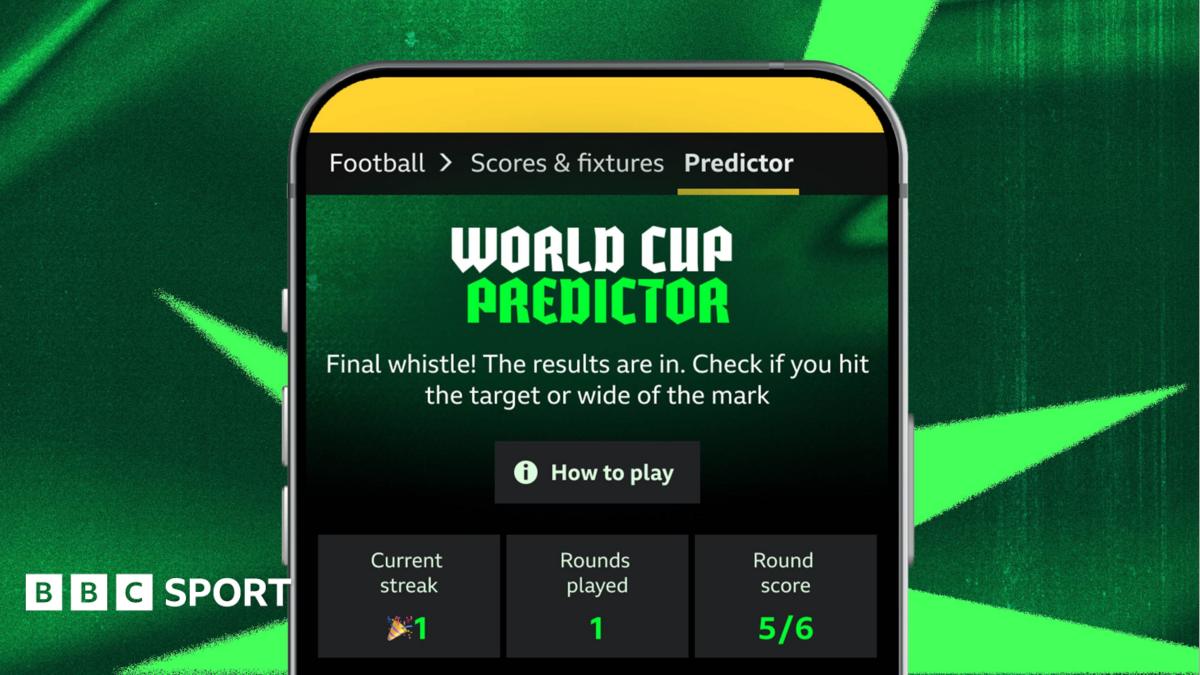
The statistical mirage of World Cup group stage forecasting
Tournament football operates on a brutal logic that renders most predictive models obsolete within the first ninety minutes. As fans prepare for the second round of group games, the noise around current predictors reflects an obsession with outcomes rather than the underlying tactical shifts that dictate tournament success. The reality is that early group fixtures are rarely about technical dominance. They are about energy management, tactical caution, and the mitigation of risk.
Predicting tournament outcomes remains a speculative exercise that ignores the volatility of short-form competition. When companies like BBC Sport invite audiences to participate in predictor games, it functions as a engagement tool rather than an analytical framework. These games strip away the nuance of substitution patterns, defensive blocks, or the cumulative fatigue from fixture congestion.
The entropy of international tactical setups
International managers often field cautious shapes during opening matches to avoid catastrophic starts. By the time teams reach their second group game, the desperation to secure points forces tactical expansion. This transition often exposes structural weaknesses that were hidden in a clean sheet from the tournament curtain-raiser.
Modern analytics suggest that the difference between a successful tournament run and an early exit often comes down to the efficiency of set-piece delivery and individual duels won in the final third. These variables are notoriously difficult to predict via a simple match-winner poll. When a team loses a key midfielder to a minor injury in the 14th minute, the entire tactical framework of a predictor grid collapses.
Why fans persist with the illusion of control
Human psychology dictates that fans prefer to believe they can deconstruct a match before the whistle blows. We project our biases onto team sheets, ignoring that a manager might rotate personnel to save legs for the knockout rounds. The allure of winning a signed football is secondary to the feeling of superiority that comes with correctly guessing a 2-1 scoreline in a high-stakes group encounter.
Yet, for all the talk of informed predictions, professional analysts often fare no better than the casual observer at this stage of the competition. The sample sizes from qualifying rounds do not account for the neutral setting of a World Cup stadium or the erratic pressure of knockout qualification. We treat these predictors as evidence of deep sports literacy, but they are often just educated guesses masquerading as tactical foresight.
Ultimately, the tournament itself is a far greater variable than any squad's depth chart or historical performance data. Teams that peak in terms of physical readiness usually overcome teams that play more aesthetically pleasing football. If you are filling out a predictor sheet this week, embrace the randomness. Your tactical intuition is simply no match for the chaos of a tournament that rewards momentum over consistency.
Adidas UCL League Soccer Ball
Train like a Champions League pro with this iconic design.
Frequently Asked Questions
Why are World Cup group stage matches difficult to predict?
How do international managers approach opening matches?
What factors determine a team's success in a tournament?
Why do fans participate in World Cup predictor games?
Why are professional analysts ineffective at predicting tournament results?
More Coverage
Messi is still the gravity Well defining this World Cup
1 day, 5 hours agoUruguay's tactical stagnation against Saudi Arabia is a alarm bell
2 days, 10 hours ago
Transfer window economics show a predictable pattern for newcomers
2 days, 14 hours agoEgypt versus Belgium: Can Ashour sustain his attacking output?
2 days, 14 hours ago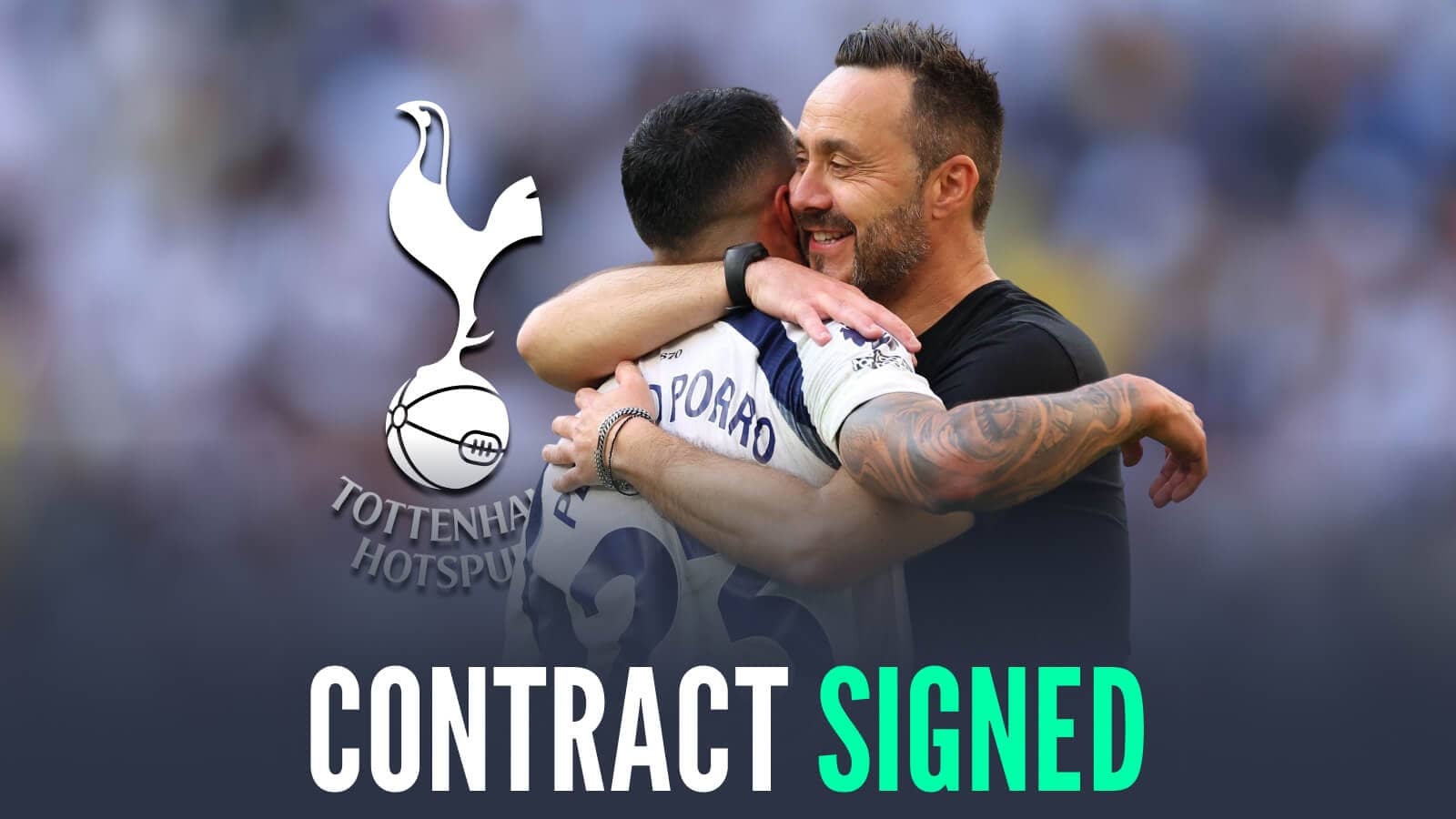
Pedro Porro is staying at Spurs, and the Levy masterclass is actually real
3 days, 14 hours ago
Top 10: Defining Moments of Football Modernity
5 days, 19 hours agoMore Analysis
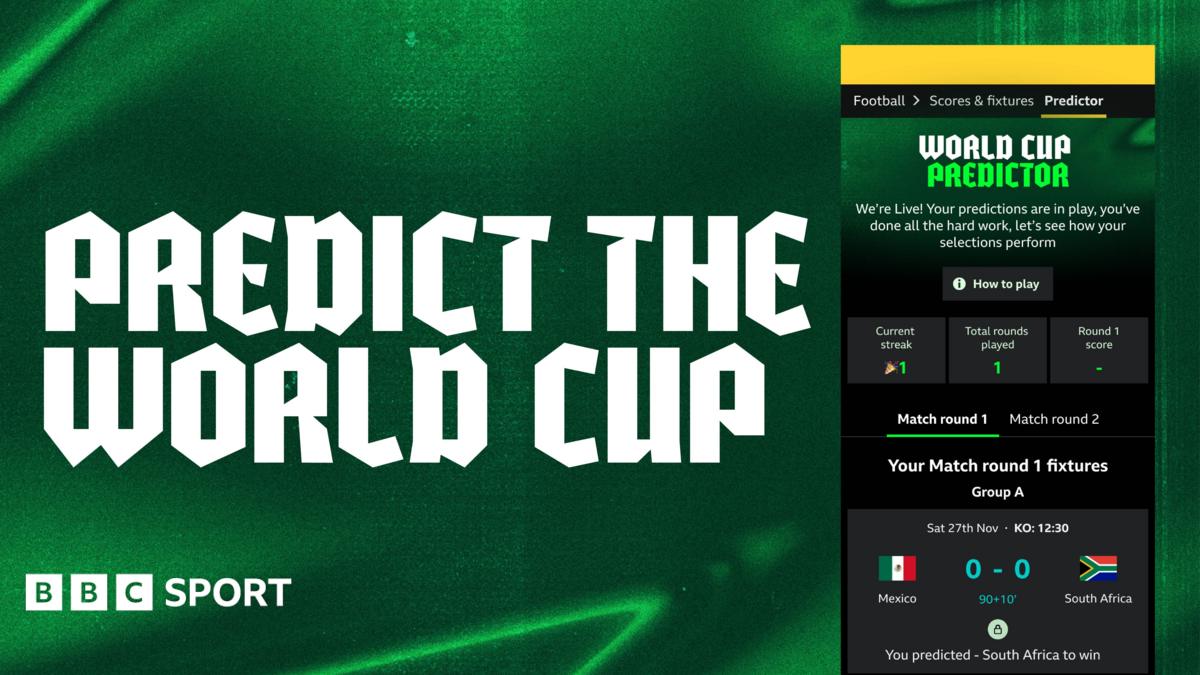
Predicting the World Cup is a fool's errand that we all love
1 week, 2 days agoThe World Cup knockout bracket is a total minefield
2 weeks, 6 days ago
Three days out and the World Cup madness is already peaking
1 week, 2 days ago