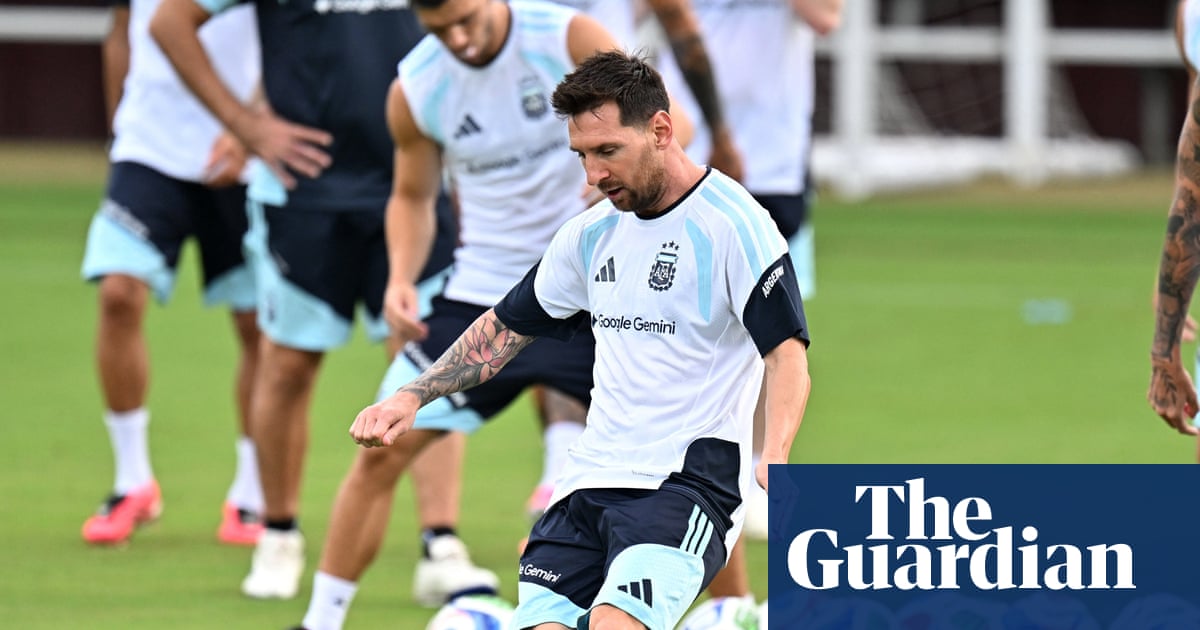
Argentina's ranking drop is a warning, not a panic button

The 48-team expansion brings chaos
Stepping back to analyze the 48-team hierarchy after the opening round, one conclusion feels unavoidable: the gap between the favorites and the field has shrunk. BBC Sport recently published a comprehensive ranking of all 48 teams post-matchday one, and the most striking takeaway is Argentina falling from the top spot. It feels contrarian, perhaps even reactionary.
International football tournaments thrive on the unpredictability inherent in limited training windows. When you look at the BBC rankings, the placement of the defending champions outside the number one position signals a shift. We are no longer watching an elite tier of eight teams; we are watching a grind that ignores historical pedigree.
Tactical rigidity vs the new volatility
The tactical reality of this tournament is defined by the depth of the defensive blocks we are seeing. Mid-tier nations have mastered the art of the low block, shrinking the vertical space between the lines to an uncomfortable degree. Argentina, while technically superior, faced a level of discipline that stifled their buildup in the final third.
Watching the movement patterns across the various matchdays, the reliance on rapid transitions has become the baseline. Teams that lack verticality in possession are getting caught on the counter at a higher rate than in the 2022 edition. This is why the rankings look radical compared to pre-tournament expectations.
The data supports the dissent
Advanced metrics show that Argentina’s expected goals per 90 minutes dropped significantly compared to their rhythm heading into the tournament. When you dig into their pass completion rates inside the opponent’s box, the lack of penetration is evident. They faced a compact structure which blocked central lanes, forcing them wide where effectiveness was neutralized.
It is not just Argentina suffering from this compression. The tournament has turned into a game of margins, where a single defensive lapse leads to a draw or defeat. The 3-point system rewards teams that can sustain defensive intensity for 90 minutes. Many mid-tier squads have perfected this.
Systemic failures in the favorites
Critically, the favorites are failing to adjust to the specific pressures of this tournament's format. Managing the bench has become arguably as vital as starting the game. Several managers kept their tactical setups static despite the opposition closing off the primary passing channels by the 60th minute.
Looking at the match outcomes, we saw teams with lower possession counts achieving parity through pure structural discipline. If you cannot rotate the ball into the half-spaces effectively, you are vulnerable to the counter. Argentina, in particular, looked lethargic when reacting to second-ball opportunities.
Looking ahead to matchday two
The ranking serves as a snapshot of performance quality rather than a projection of title probability. While the BBC panel might have penalized Argentina for their lack of attacking fluidity, one match does not define a tournament trajectory. The danger is that teams now believe they have the blueprint to stop them.
We need to see how the top-ranked sides respond to the inevitable pressure of the second round. If they continue to play into the hands of these deep-lying defenses without utilizing wider spatial manipulation, we will see more upsets. The 48-team structure has turned this tournament into an attrition war. It favors the disciplined, not just the gifted.
Read Next
- Austria and Jordan prove possession is a myth in World Cup football
- England's defensive fragility remains a problem despite the 4-2 win
- Ghana and Panama just played the worst 90 minutes of the World Cup
- Portugal faces an identity crisis after the DR Congo stalemate
- 🇦🇷 Argentina World Cup 2026 — Defending Champions Hub
Icon Sports Group Premier League Official Licensed Soccer Poly Scarf
Wear your colors with pride during the title run-in.
Frequently Asked Questions
Why did Argentina drop out of the top spot in the power rankings?
How has the 48-team tournament format changed team performance?
What tactical challenge are favorites facing in this tournament?
Why is bench management crucial in the current tournament format?
What metrics indicate Argentina’s recent decline in performance?
More Coverage
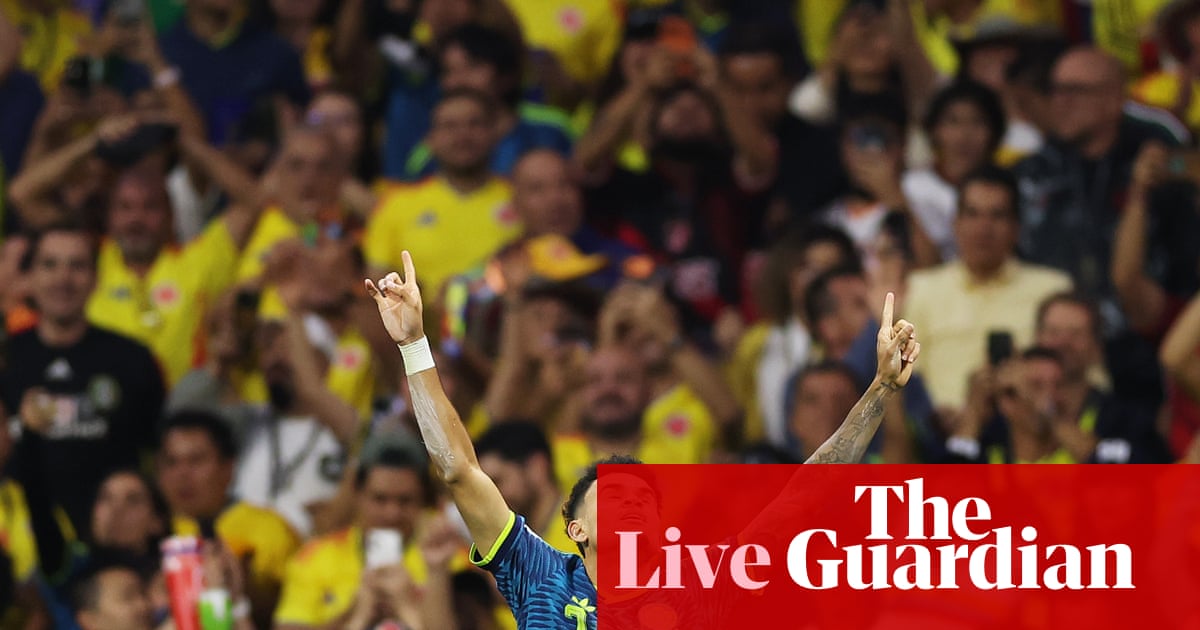
Colombia showed Uzbekistan why tournament experience is everything
2 hours ago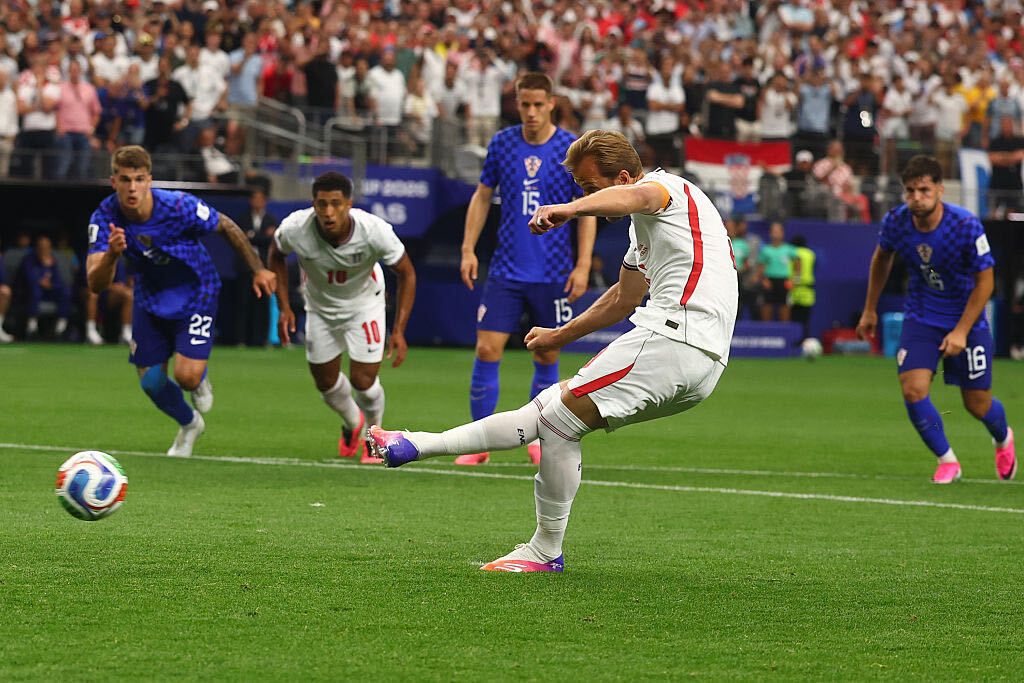
England's defensive fragility remains a problem despite the 4-2 win
2 hours ago
Munoz to Liverpool is a move driven by raw efficiency
6 hours ago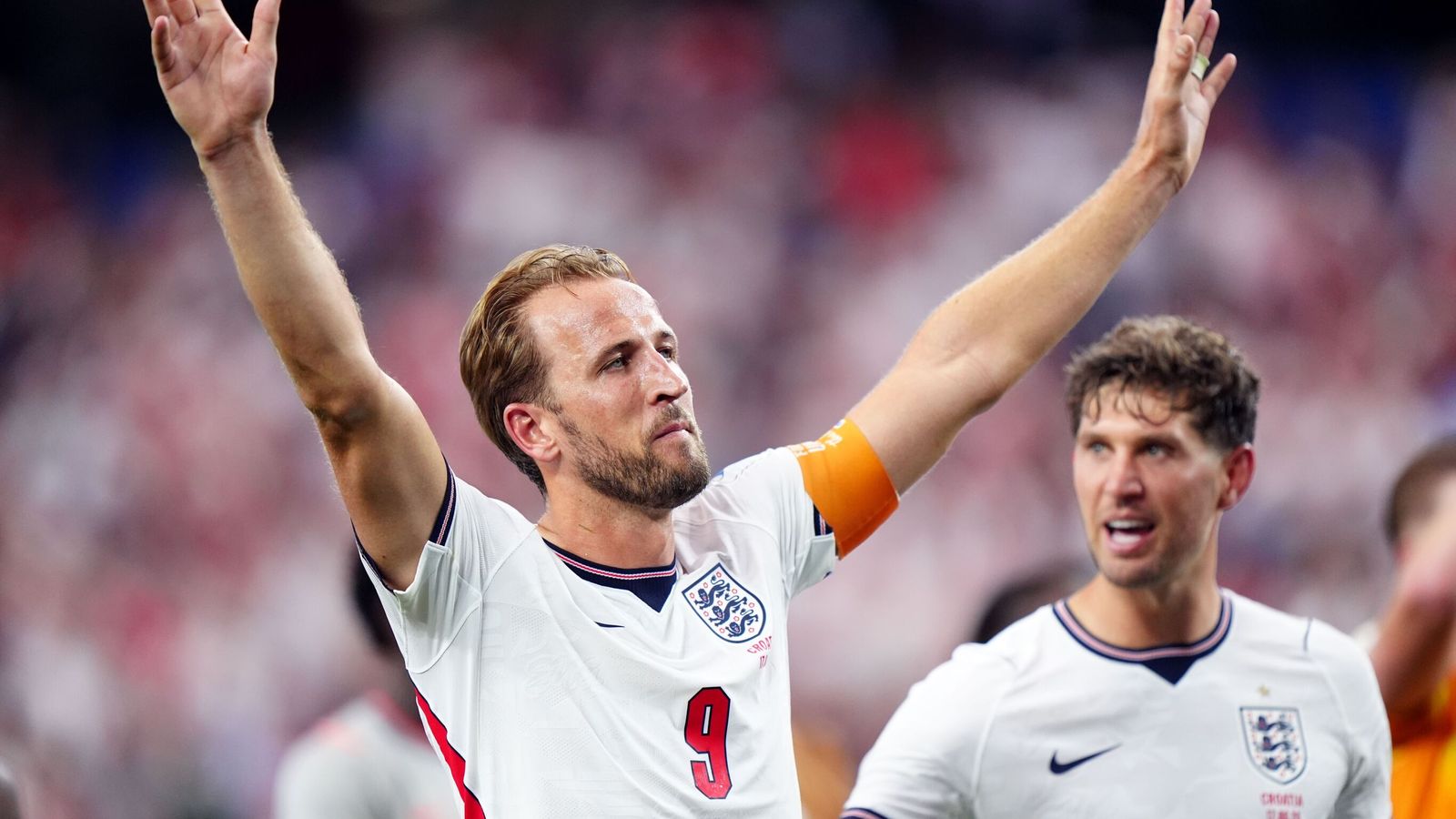
England's defensive fragility will haunt them long before the semi-finals
7 hours ago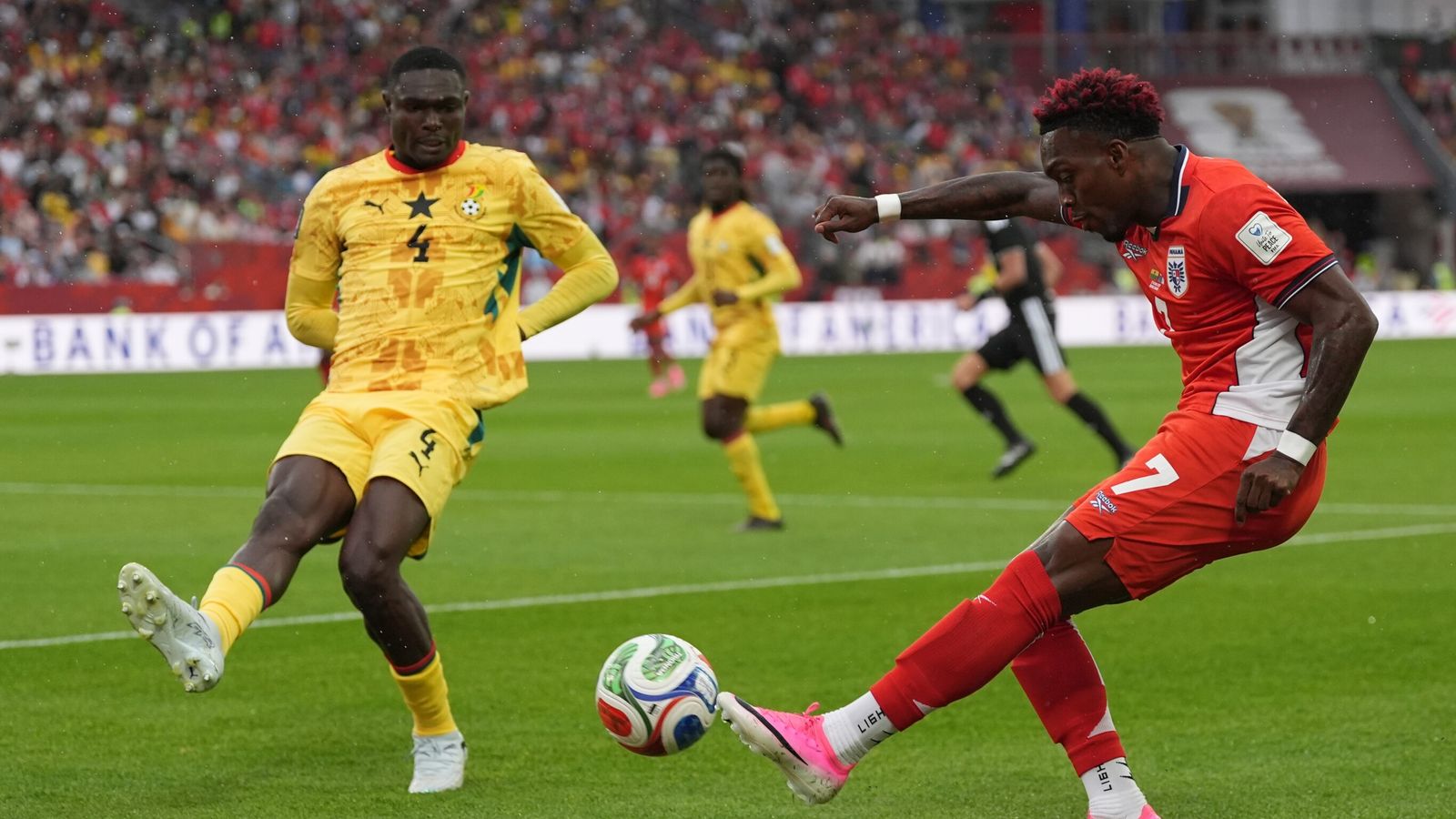
Ghana and Panama just played the worst 90 minutes of the World Cup
7 hours ago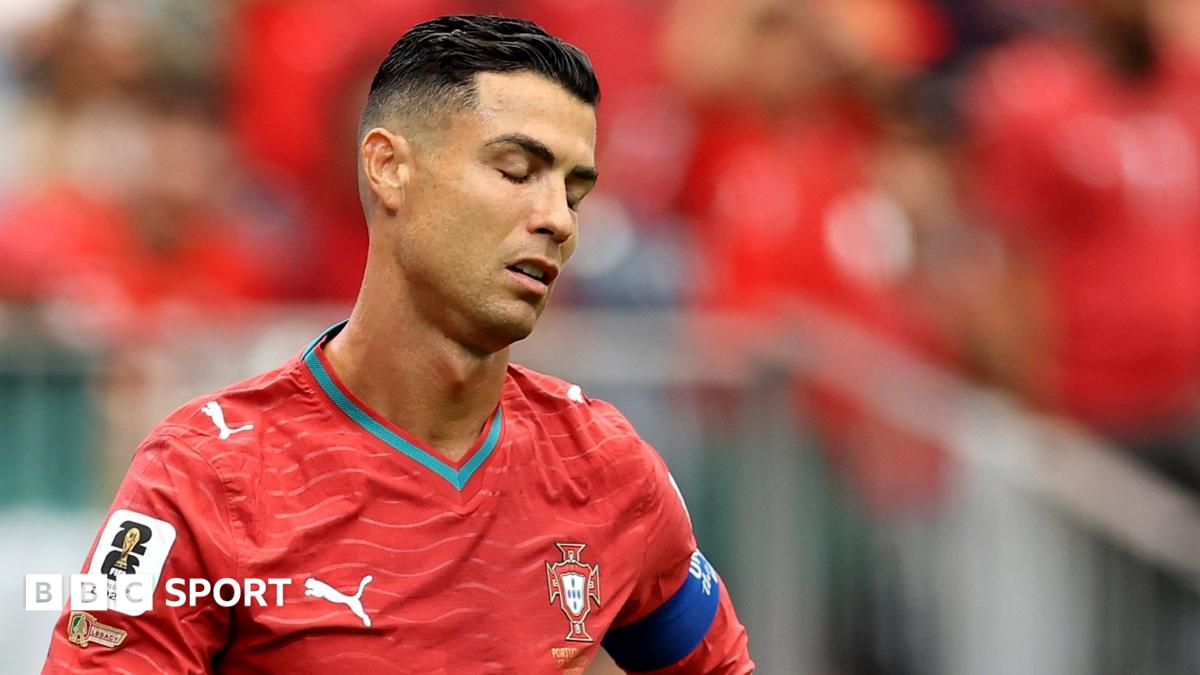
Portugal faces an identity crisis after the DR Congo stalemate
8 hours agoMore Analysis
Argentina are not winning the 2026 World Cup
2 weeks, 6 days agoArgentina's World Cup defense is heading straight for a nightmare
3 weeks, 5 days ago
Argentina's tactical paralysis: The numbers behind Messi's indecision
2 months, 3 weeks ago
Argentina’s World Cup defense hinges on a reinvented Lionel Messi
2 months, 4 weeks ago