The Prime Minister's Arsenal Obsession Meets the Paywall
In British politics, pretending to love football is a standard survival skill, usually resulting in some awkward photo op of a politician holding a pie like it is a radioactive isotope sample. But Keir Starmer actually goes to the matches, holding a season ticket at the Emirates Stadium. Now, with Arsenal reaching their first Champions League final since their heartbreaking loss to Barcelona in 2006, the Prime Minister is trying to use his political weight for some populist sporting charity.
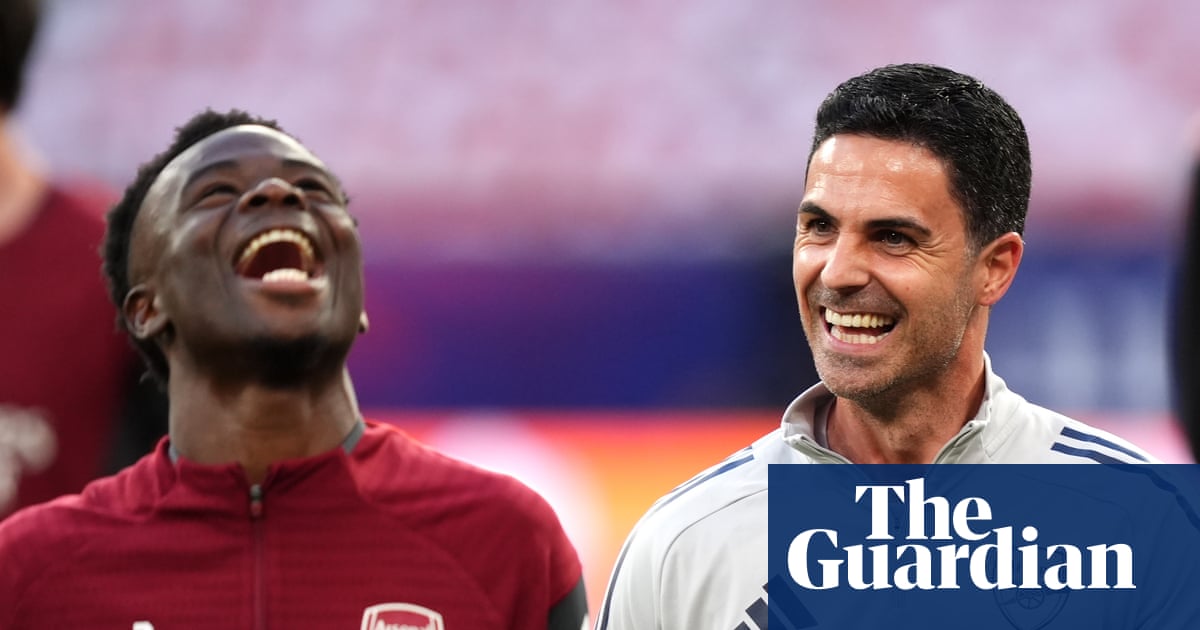
Starmer issued a public plea to TNT Sports, begging the broadcaster to open up the airwaves for the nation. As Mirror Football reported, Starmer released a statement urging the network to make the monumental match free-to-air. He wanted millions of fans across the country to witness Mikel Arteta's squad chase European glory without paying a premium.
The TV executives at Warner Bros. Discovery looked at the Prime Minister's plea and quietly pressed delete. TNT Sports immediately confirmed that the broadcast will remain locked behind their monthly subscription. The days of corporate charity, where BT Sport would chuck the final on YouTube as a marketing stunt, are officially dead.
The Yann LeCun of Downing Street
Starmer writing this letter is like Yann LeCun begging Sam Altman to open-source GPT-4. It is cute, it is passionate, but the guys running the closed-source paywall have server bills to pay and debt to service. TNT Sports has a mountain of Warner Bros Discovery debt that is not going to vanish because a politician wants to watch Bukayo Saka for free.
It highlights the complete powerlessness of modern governments when faced with the iron grip of sports rights. For ninety minutes on May 28, the country will be split between those who can afford the subscription and those searching for sketchy illegal streams. Starmer's statement was a desperate attempt to bridge that gap, but TNT Sports has a business model to protect.
This is the broadcasting equivalent of charging per token for a basic API call. The executives know they have a captive audience of desperate fans who will pay anything to avoid missing the biggest game in twenty years. They have zero incentive to open-source the weights of their broadcast when they can milk the Gooner fanbase for premium subscriptions.
The Death of the Free-to-Air Tradition
For years, UK football fans enjoyed a bizarre but beautiful loophole. BT Sport, in a bid to show how friendly and accessible they were, routinely broadcast the Champions League final for free on YouTube. It was a brilliant marketing play that bought them massive goodwill while their paid subscriber numbers ticked upward.
Then came the merger with Warner Bros. Discovery and the rebranding to TNT Sports. Suddenly, the bean counters in Atlanta looked at the millions of free viewers on YouTube and decided that giving away their crown jewel was commercial madness. The tech market turned sour, streaming services realized they actually needed to make money, and the free final was the first thing thrown overboard.
Now, if you want to watch Bukayo Saka cut inside against Paris Saint-Germain, you have to cough up £30.99 a month for the discovery+ Premium package. That is a steep price for a single match, especially when the average fan is already paying Sky Sports and Amazon Prime just to follow the domestic season. The corporate message is simple: pay up or miss out on history.
The Economics of the Modern Paywall
Television rights are the lifeblood of modern elite football. UEFA demands astronomical fees from broadcasters to fund the expanding group stages and massive prize pools that clubs like Arsenal depend on. TNT Sports spent billions to secure these exclusive rights, and they cannot justify giving the showcase event away for free to satisfy a Prime Minister's whim.
It is a brutal business calculation that ignores the cultural weight of the sport. Millions of kids across London will not be able to watch their local team play in the biggest game of their lives because of a corporate strategy sheet. This is the reality of the modern game, where the fan is treated purely as a consumer to be monetized at every turn.
Even Starmer's political intervention could not budge the corporate spreadsheet. The broadcaster knows that the sheer desperation of Arsenal fans will drive a massive surge in last-minute sign-ups. They are banking on the fact that no die-hard supporter will risk missing the match over thirty quid.
The Battle in Munich: Arteta Against the Parisian Wealth
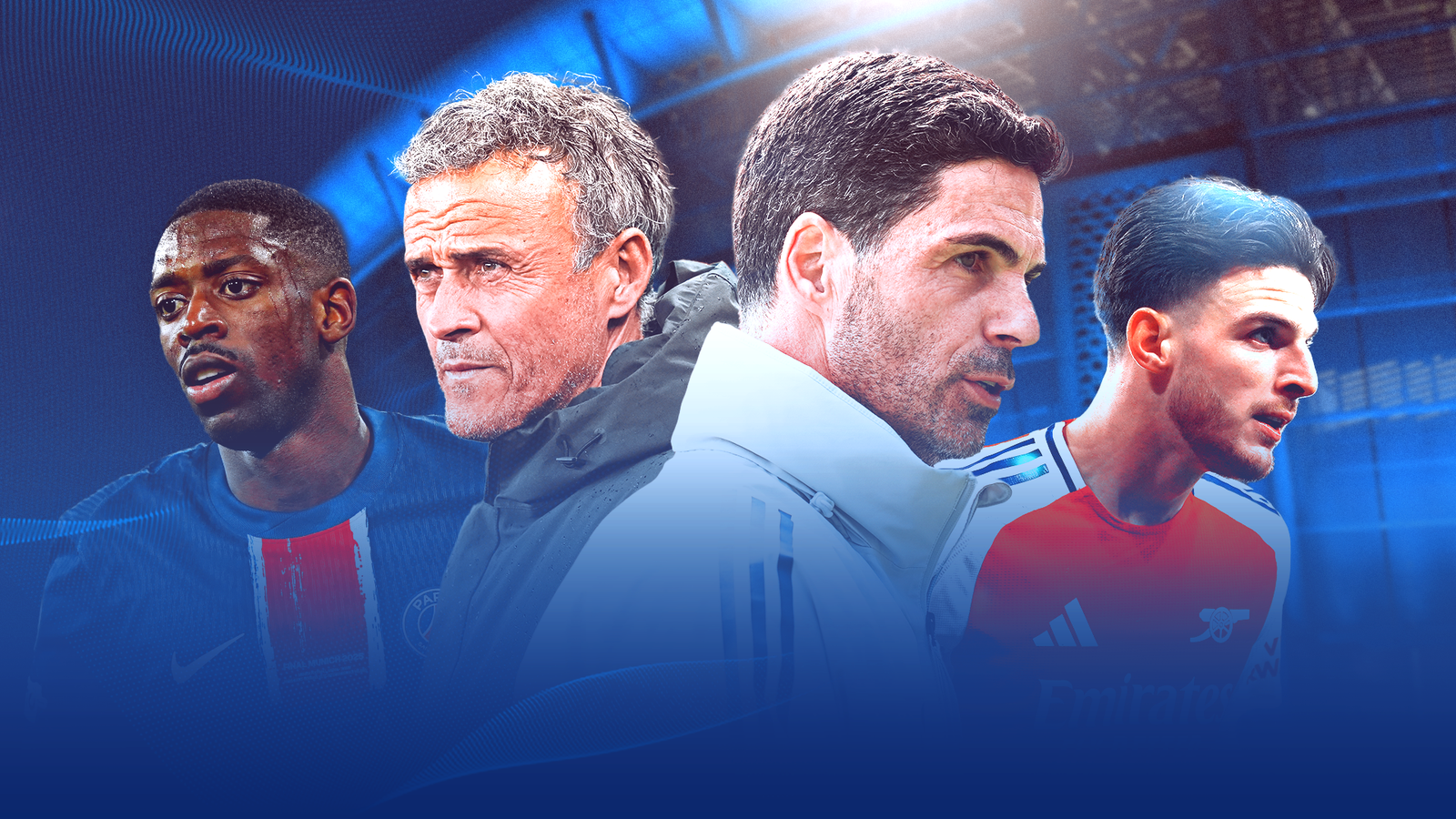
On the pitch, the tactical setup is fascinating. Mikel Arteta has built a terrifyingly efficient machine, driven by the midfield control of Martin Ødegaard and the defensive wall of William Saliba. Arteta's system is like a perfectly fine-tuned 70B parameter model: highly optimized, completely ruthless, and structured to minimize hallucination in transition.
They face a Paris Saint-Germain side that is also desperately chasing their first European Cup. Without Kylian Mbappé to bail them out, Luis Enrique has constructed a more balanced, hard-working unit that relies on the brilliance of Vitinha and the youthful energy of Warren Zaïre-Emery. It is a fascinating tactical puzzle that deserves the widest possible audience, not a restricted paywall audience.
But the lack of free-to-air access means this classic will be played in a relative cultural vacuum in the UK. Instead of a shared national event like the Euro finals or the FA Cup, it becomes a private viewing party for the subscription class. The Prime Minister's plea was an acknowledgement of this cultural loss, even if it fell on deaf ears.
The Ghost of 2006
For Arsenal supporters, this final is the culmination of a twenty years journey through the wilderness. They have endured the banter years, the Europa League Thursday nights, and the painful rebuilding process under Arteta. To have this moment locked behind a steep paywall feels like a cruel joke played by the football gods.
The club has transformed from a fragile, soft-centered team into a physical juggernaut that can out-fight anyone in Europe. They went to Munich and Madrid and proved they belong at the absolute top table. Yet, the fans who stuck by them through the dark days of Unai Emery are now being asked to pay a tax just to watch the final step.
Meanwhile, PSG represents the ultimate corporate football project, funded by Qatari investments and designed specifically to win this trophy. The irony is supreme: a state-backed club playing against a team whose fans are being locked out by a US media giant. It is a perfect summary of modern football's hyper-capitalist reality.
The Great Football Subscription Tax
The situation with TNT Sports is part of a much larger, incredibly frustrating trend for sports fans in the UK. The television market has fractured into a ridiculous array of competing apps, channels, and monthly fees. To watch every televised game your team plays, you now need to be a wealthy tech enthusiast with multiple active direct debits.
We have Sky Sports for the bulk of the Premier League, TNT Sports for the Champions League and select early Saturday games, and Amazon Prime for their occasional game weeks. There are even rumors of new streaming players entering the market for future cycles, adding another login and another monthly fee. The working-class fan is being systematically priced out of the game they built.
Starmer's intervention, while unsuccessful, at least forced a public conversation about this escalating crisis. As the Prime Minister's statement showed, the political class is starting to realize that football access is a genuine quality-of-life issue for millions of people. But unless the government actually introduces legislation to expand the protected "free-to-air" sporting list, nothing will change.
The Broken Protected List
The UK has a list of "listed events" that must be broadcast on free-to-air television, including the FA Cup Final, the Grand National, and the Olympic Games. Bizarrely, the Champions League Final is not on this list, despite being the biggest club game in the world. It is a massive regulatory oversight that has allowed broadcasters to exploit the passion of fans for decades.
If Starmer truly cared about changing this, he would stop writing polite letters and actually update the legislation. But that would mean picking a fight with powerful media lobbies and UEFA, something his cautious government is highly unlikely to do. It is much easier to issue a toothless statement and then watch the game from the comfy director's box at the Emirates.
So, the paywall remains intact, the subscription fee remains high, and the fans are left to scrounge. On May 28, pubs across North London will be packed to the rafters with fans who cannot afford the TNT subscription at home. Perhaps that is the one silver lining: a return to communal viewing in the local pub, driven by corporate greed.
Read Next
- Arsenal are about to expose PSG's biggest tactical flaw in Budapest
- Why Arsenal will finally conquer Europe and leave PSG in the dust
- Why Arsenal will finally conquer Europe and destroy the PSG project
- Why Selhurst Park is a dangerous trap for Arteta's crowned champions
- ⚽ Ligue 1 2025-26 — PSG, Monaco & the Title Race Hub
- 🏆 UCL Final 2026 — Munich May 28 — Full Coverage Hub