The price of accuracy in the SPFL
The SPFL's current VAR implementation costs exactly £1.2 million per season. This figure represents less than 4% of the league's total domestic TV revenue, yet it has become the most contentious line item in the Scottish football budget. Rangers have now broken cover, suggesting that the Scottish FA should divert its World Cup revenue to subsidise a failing system.
Scotland's qualification for the 2026 World Cup ensures a minimum participation fee of roughly $9.25 million, or £7.1 million, from FIFA. This is a massive injection of liquidity for a national association that often operates on razor-thin margins. Using this windfall to fix officiating isn't just a request for better tech; it is a tactical admission that the current model is unsustainable.
The central issue is the disparity between the technology used in Glasgow and the technology used in London or Munich. Most SPFL matches currently rely on a six-camera setup for VAR reviews. In contrast, the English Premier League uses a minimum of 20 cameras, often scaling up to 40 for high-profile fixtures. You cannot expect elite precision from a budget-tier broadcast infrastructure.
The statistical failure of the 2025/26 season
Data from the Independent Review Panel for the first half of the 2025/26 season showed a worrying trend. In the first 150 matches of the season, there were 24 incorrect interventions by VAR officials. That is one significant error every 6.25 games. For a system designed to eliminate clear and obvious errors, that failure rate is statistically significant.
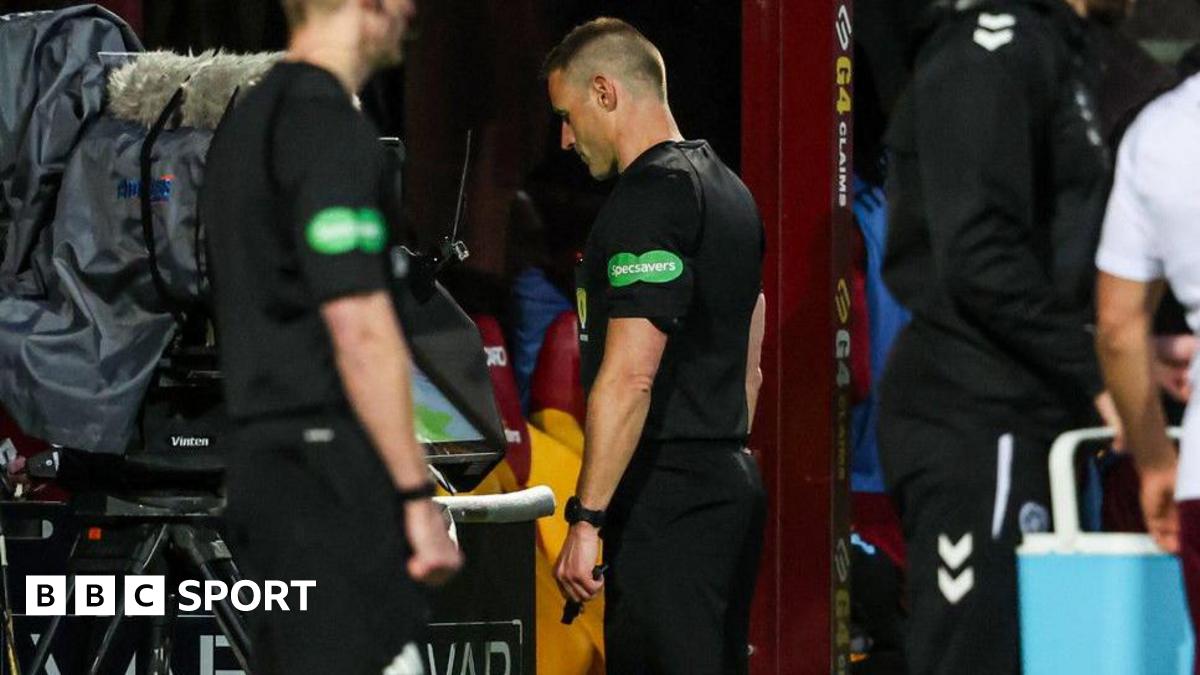
Even more damning is the time spent on reviews. The average VAR check in Scotland during the current campaign has lasted 114 seconds. Compare this to the Bundesliga, where the average has dropped to 52 seconds following the integration of semi-automated offside technology (SAOT). The Rangers proposal argues that the World Cup cash could bridge this 62-second gap by funding the hardware required for SAOT.
The financial burden currently falls heaviest on the big clubs. Under the current SPFL distribution model, the clubs finishing first and second in the Premiership pay approximately 12% of the total VAR costs. This means Rangers and Celtic are effectively subsidising the officiating for the rest of the league while arguably suffering the most from the resulting delays and errors.
Comparing the World Cup windfall to the tech debt
If the Scottish FA took half of that £7.1 million participation fee and reinvested it into the domestic game, they could theoretically fund a full SAOT rollout for the next three seasons. This would move the SPFL from a reactive officiating model to a proactive one. It would also alleviate the pressure on the SFA's training budget, which has struggled to keep pace with the demands of the modern game.
However, the counterintuitive finding in recent officiating data suggests that better tech doesn't always lead to happier fans. Last season, the Eredivisie saw a 14% increase in fan dissatisfaction scores despite their VAR accuracy reaching a record 98.4%. The issue isn't always the decision; it is the friction introduced into the matchday experience. Rangers believe money can buy speed, but speed requires a level of human training that Scotland has yet to master.
Officiating standards in general, as mentioned by the BBC, are at an all-time low in terms of public perception. The SFA currently employs zero full-time referees. Every official in the top flight balances a professional career outside of football. When you compare this to the PGMOL in England or the full-time rosters in Spain, the lack of professionalisation becomes the primary bottleneck.
The structural problem with the Rangers proposal
Diverting World Cup money to VAR is a short-term fix for a structural defect. The FIFA payout is a one-time event every four years, assuming Scotland continues to qualify. Relying on a tournament windfall to fund essential league services creates a dangerous precedent for financial planning. What happens in 2030 if the national team fails to make the cut?
Furthermore, there is the question of the lower leagues. The Championship and Leagues One and Two do not use VAR. Diverting £3.5 million into Premiership technology while the grassroots game starves for basic facility upgrades will be a difficult sell for the SFA board. It creates a technological elite that further separates the top flight from the rest of the pyramid.
Tactically, the current VAR system has changed how managers set their defensive lines. In the 2025/26 season, the average defensive line height in the SPFL has dropped by 4.2 metres compared to the pre-VAR era. Teams are terrified of the marginal offside call that takes five minutes to resolve. They prefer to sit deeper, reducing the space for creative play and slowing down the transition phases of the game.
A cynical look at the officiating budget
There is a certain irony in Rangers asking for international prize money to be spent on domestic mistakes. The club has been involved in some of the most high-profile VAR disputes over the last 24 months. By framing this as an "improvement of standards," they are effectively lobbying for a system that reduces the variance of human error—variance that often hurts the teams with the most possession.
The SFA's refereeing department currently operates on a budget of roughly £3 million annually. If the World Cup money was used to double this, it would allow for the hiring of 10 full-time officials. This would likely have a greater impact on the quality of the game than a new set of cameras. A part-time referee looking at a 4K screen is still a part-time referee.
Ultimately, the numbers don't lie. Scottish football is trying to run a high-definition officiating system on a standard-definition budget. The £7.1 million from FIFA is a golden ticket, but spending it on VAR is like putting a Ferrari engine in a lawnmower. It will be faster, certainly, but the underlying structure wasn't built for that kind of power.
The future of the Scottish whistle
As the World Cup approaches in June, the SFA will have to decide if they value the long-term health of the national game over the immediate demands of its biggest clubs. Rangers have made their position clear. They want the elite tech that matches their elite status. They want the 114-second wait times to disappear.
But the reality of the data suggests that even with SAOT and 20 cameras, the controversy will remain. In the Premier League, where the budget for officiating is nearly ten times that of Scotland, the discourse is no less toxic. Money buys accuracy, but it does not buy trust. That is a commodity the SFA cannot simply purchase from FIFA.
The next few weeks of negotiations will determine the trajectory of the Scottish game for the next decade. If the SFA caves to the Rangers' proposal, we will see a Premiership that looks more like a Silicon Valley lab than a football league. If they refuse, the 114-second pauses will continue, and the gap between Scotland and the elite leagues will only widen. Numbers are cold, and right now, they suggest Scotland is paying for a service it cannot afford to run correctly.
Read Next
- Scotland's World Cup squad is a glorious, terrifying gamble
- Brazil just gambled their entire World Cup on Neymar
- Thomas Tuchel isn't writing a sequel to Dear England
- Reece James faces World Cup heartbreak after devastating hamstring setback
- 🏆 World Cup 2026 — Full Coverage Hub
- ⚽ Scottish Premiership 2025-26 — Celtic vs Rangers Hub