The Captain's Curse Returns
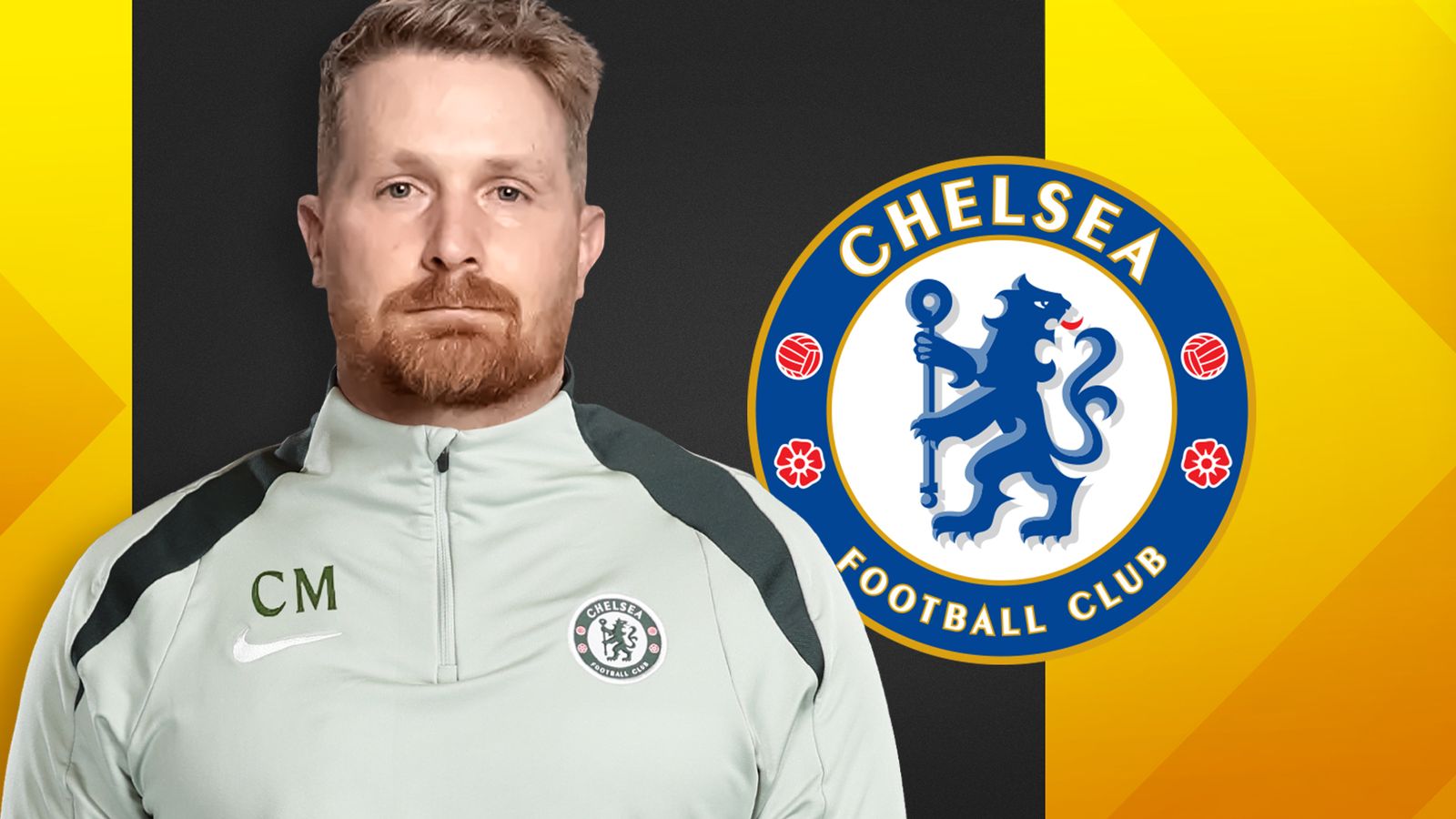
The news Chelsea fans have learned to dread arrived with a familiar, clinical coldness this week. Reece James, the club captain and arguably the finest right-back of his generation when fit, is back on the treatment table. It is the same story, the same muscle, and the same devastating timing. As the April 12, 2026, calendar moves us closer to the summer schedule, James is once again a spectator. This isn't just a minor setback; it is a fundamental threat to his career trajectory and Chelsea's immediate aspirations under Liam Rosenior.
James sustained the injury during the late stages of the defeat to Newcastle in mid-March, and the subsequent weeks have confirmed the worst. What was initially hoped to be a minor tweak has manifested as a significant recurrence. For a player who has spent more time in the MRI suite than on the pitch over the last three seasons, the psychological toll is starting to match the physical one. This is the fourth time in twenty-four months that his hamstring has failed him, and the frustration at Cobham is nearing a breaking point.
The Medical Reality of Chronic Fragility
The specifics of the injury point to a grade 2b tear in the bicep femoris. For a player like James, whose game is built on explosive acceleration and high-torque delivery from the wide areas, the hamstring is the primary engine. When that engine seizes, the entire machine stops. Sources close to the medical staff suggest this recurrence is particularly frustrating because it follows a period of strictly managed minutes. James had been carefully integrated back into the side, only for the tissue to fail under the intensity of Premier League competition.
The medical history here is harrowing. Since 2022, James has missed over 60% of Chelsea's competitive fixtures. From a physiological standpoint, each subsequent tear leaves behind scar tissue that is less elastic and more prone to rupture. The "injury hell" frequently cited in the media is, in reality, a complex struggle between elite-level athleticism and a body that is struggling to hold itself together. According to The Guardian, the latest setback has already ruled him out of critical Champions League fixtures and leaves his participation in the upcoming World Cup in serious jeopardy.
Tactical Vacuums and Rosenior's Response
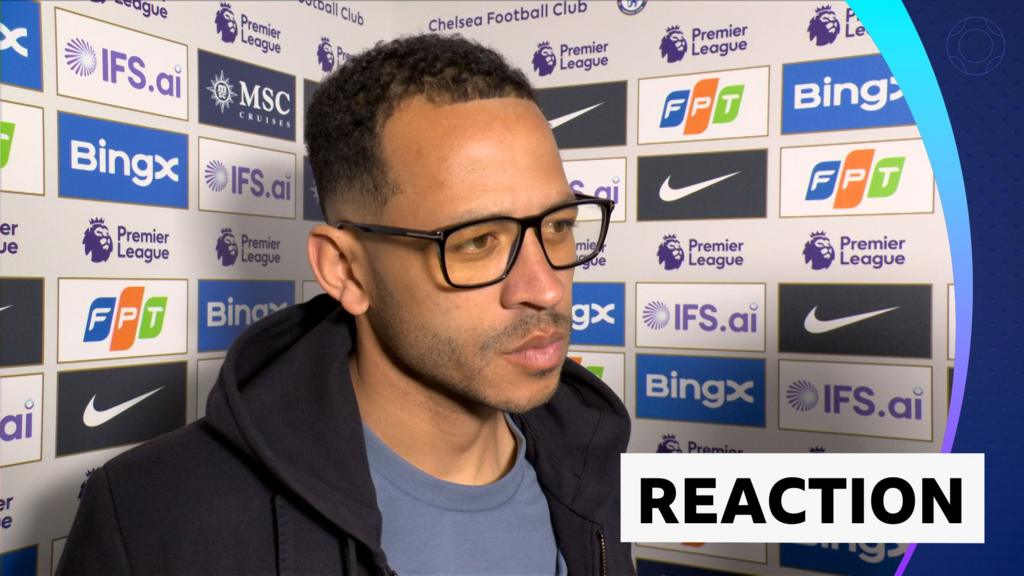
Manager Liam Rosenior has been forced to adapt on the fly. Speaking ahead of the upcoming clash against Manchester United, Rosenior was blunt about the situation. He knows that his team's top-four hopes are dangling by a thread. The manager has been forced to shift his tactical approach, moving away from the aggressive wing-back system that defines his philosophy when James is available.
"We need to improve our resilience in difficult moments and focus on winning our next league game against Manchester United to stay in contention." — Liam Rosenior
As BBC Sport reported, Rosenior is calling for a mental shift. It is an admission that Chelsea’s mental and physical toughness is being tested to its limit. Without James, the team loses its primary outlet for progression. Malo Gusto is a capable deputy, but he lacks the gravity James exerts on opposition wingers. When James is on the pitch, opponents are forced to double up on him, freeing space for central midfielders. Without him, Chelsea look predictable and toothless in the final third.
The strategic implications for the Manchester United game are massive. United's left-hand side has been prolific this season, and without James to lock down that flank, Rosenior may be forced to switch to a back five. The drop-off in win percentage when James is absent is a damning indictment of the squad's construction. Chelsea win 58% of games with James and only 34% without him. That disparity is the difference between a title charge and a mid-table scrap.
The England Question: Tuchel's Gamble
The impact ripples far beyond West London. England manager Thomas Tuchel is reportedly deeply concerned about his captain's availability for the 2026 World Cup, which kicks off in exactly 60 days. Tuchel, who coached James at Chelsea and knows his value better than anyone, faces an impossible choice. In a 48-team tournament with an expanded schedule, squad depth is everything. Can you afford to use a roster spot on a player who might only be able to give you 45 minutes every four days?
Historical context suggests Tuchel should be wary. We saw this play out before the 2022 World Cup and the 2024 Euros. Each time, the narrative was the same: James is too good to leave at home, even if he’s only 70% fit. Each time, the gamble either backfired or resulted in a diminished version of the player. With players like Kyle Walker entering their twilight years, the right-back slot was supposed to be James's for the next decade. Instead, it has become a revolving door of what-ifs and medical bulletins.
Chalobah and the Depth Crisis
The injury crisis isn't limited to the captain. Trevoh Chalobah’s exit on a stretcher during the Champions League exit against Paris Saint-Germain has left the central defense threadbare. As The Mirror reported, Chalobah suffered a serious knee ligament issue that has sidelined him indefinitely. Chalobah had stepped up in the absence of veteran leaders, but his injury has robbed Rosenior of his most versatile defender.
This double blow leaves Rosenior with a selection headache that would keep any manager awake at night. The lack of veteran presence in the dressing room is becoming a fundamental flaw. While the resilience Rosenior calls for is a necessary sentiment, it’s hard to build that resolve when your most experienced players are in the recovery room. The decision to sell senior figures over the last two windows to balance the books looks increasingly like a tactical own-goal. You cannot buy the kind of composure James and Chalobah provide in the 87th minute of a high-stakes derby.
Strategic Implications and Industry Impact
The broader industry impact is also coming into focus. James's market value, once estimated north of £80 million, is in freefall. No top-tier European club will touch a player with this medical profile, regardless of his talent. This traps Chelsea in a difficult position: they have a world-class asset they cannot sell and cannot rely on. It's a sunk cost scenario that is beginning to hamper their ability to recruit in other areas. If you're spending £250,000 a week on a player who is perpetually sidelined, your wage structure loses its flexibility.
The upcoming match against Manchester United represents more than just three points. It is a referendum on Rosenior's ability to coach a functional unit without his stars. If Chelsea fall out of the top-four race now, the financial ramifications will be felt for years. The absence of Champions League revenue would likely force further sales in the summer, potentially including home-grown talents that the fans are desperate to keep. The recruitment strategy of the last two years, which prioritized potential over availability, is being brutally exposed by the physical demands of the league.
The Long Road Back
There is no quick fix for a career defined by muscular fragility. Reece James will likely return to the grass in late May, just in time for the final league fixture and the beginning of England’s World Cup camp. He will look sharp in the training videos posted to social media. He will talk about being stronger than ever. But the reality is that the cycle of injury and recovery has become his new normal. For Chelsea, the focus shifts to surviving the present. For James, the focus is on a future that looks increasingly uncertain. If he misses this World Cup, the conversation about his legacy will shift from greatness to tragedy.
Read Next