The Captain's Hamstring Curse Strikes Again
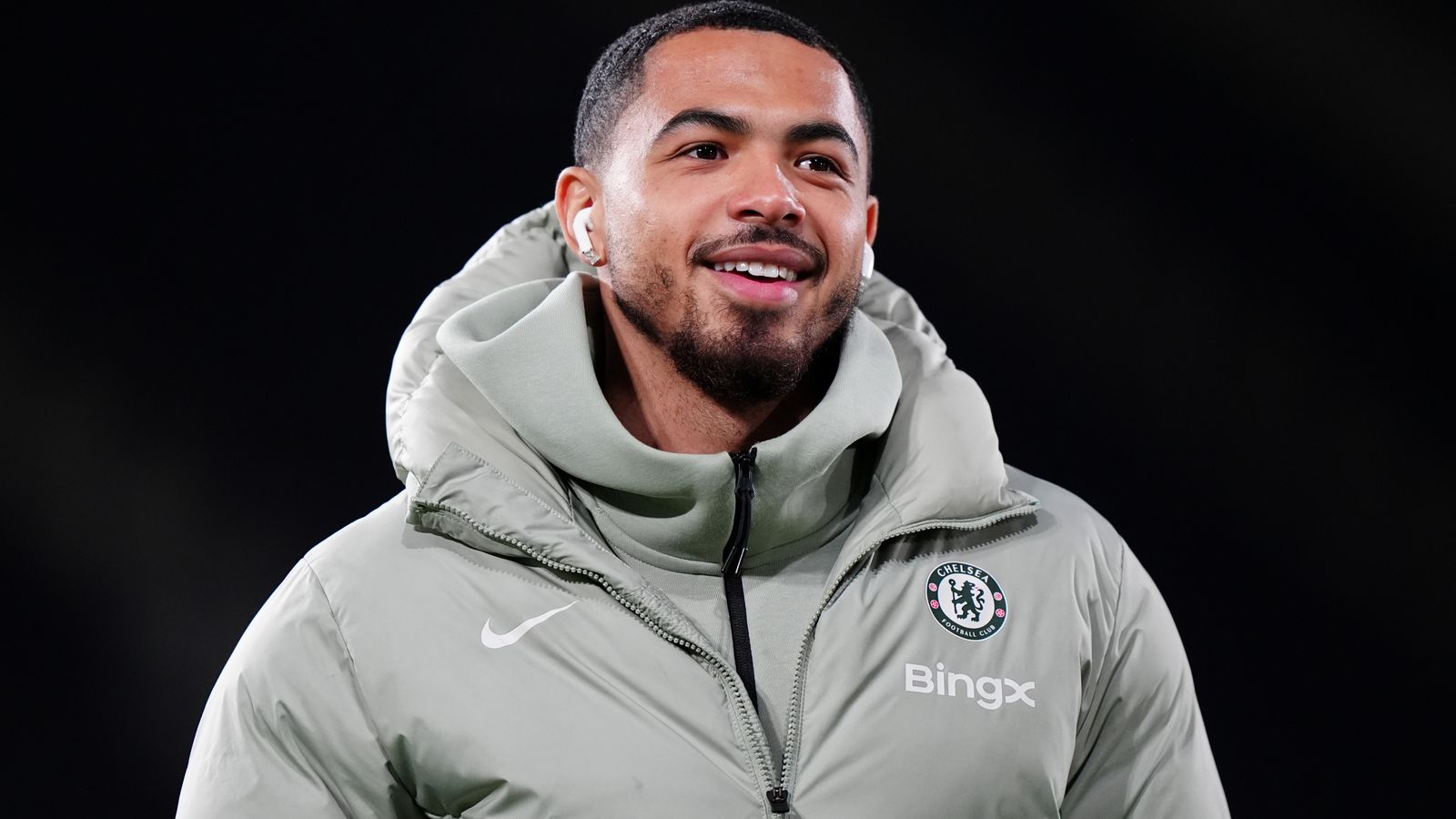
The 34th minute of Chelsea's defeat to Newcastle on March 14, 2026, felt like a movie we have seen too many times. Reece James, the man who was supposed to anchor Thomas Tuchel’s England defense this summer, pulled up clutching his right leg. It was not a collision. It was not a tackle. It was the silent, internal snap of a hamstring that has become the defining story of his professional life.
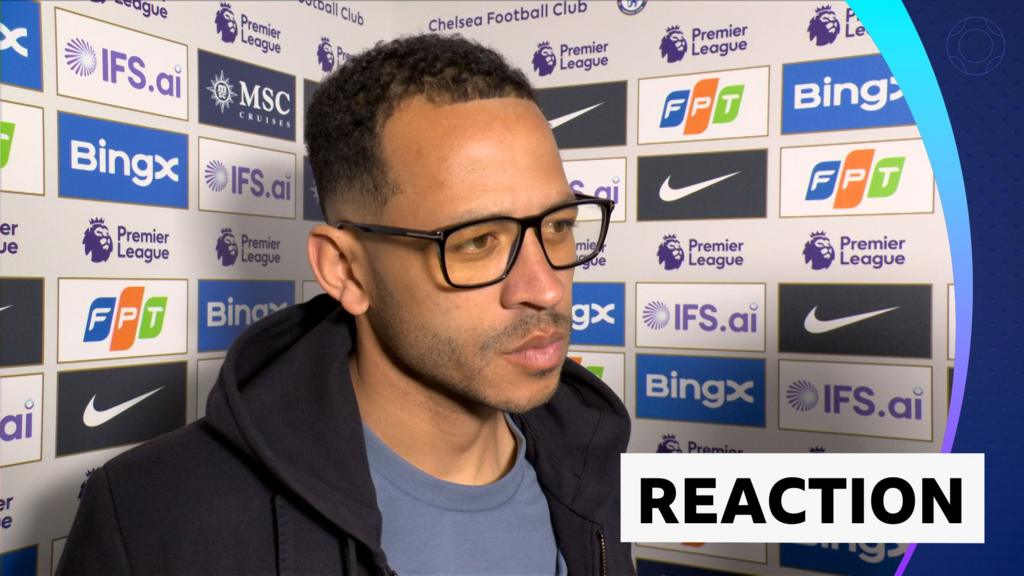
As of today, April 19, 2026, the prognosis remains grim. While the club initially hoped for a three-week recovery, head coach Liam Rosenior confirmed this morning that James is still not training with the main group. With the 2026 World Cup kickoff against Iran just 53 days away, the captain of Chelsea is now in a desperate race against his own biology. This latest setback is not just a blow to Chelsea’s failed Champions League campaign; it is a systemic failure of player management.
The timing of this injury is particularly stinging for the Chelsea board. The club sanctioned a massive new contract for James exactly one week before the Newcastle match. Handing a long-term, high-wage deal to a player with a medical history as fractured as a shattered windshield was a calculated gamble that has immediately backfired. It raises serious questions about the due diligence performed by the medical department at Cobham and whether sentimental value is outweighing cold, hard data in West London.
The Biomechanical Breakdown of an Elite Full-Back
Reece James is perhaps the most complete right-back in world football when fit, but those windows of availability are narrowing. His injury history is a catalogue of muscular failures. Since his breakthrough, he has suffered over 12 separate hamstring incidents, including a major surgery in late 2024 that was supposed to solve the issue permanently. Instead, the scar tissue seems to have created a ticking time bomb in his posterior chain.
Medical experts often point to the explosive nature of James' game as the primary culprit. His ability to go from a standing start to top speed in the final third puts an immense load on the biceps femoris. When you combine that physical demand with the congested schedule of the modern Premier League, something has to give. In James' case, it is always the same muscle group. The psychological toll of these repeated failures cannot be ignored; a player who cannot trust his own body is a player who eventually starts to hesitate on the pitch.
Contrast this with the world of elite endurance and recovery discussed by Georgie Thompson and Sir Ben Ainslie on their recent Performance People sessions. While Ainslie is currently tackling the London Marathon at age 49, maintaining a level of joint health and cardiovascular durability that defies his years, James is struggling to complete a simple shuttle run at 26. The difference lies in the nature of the sport—foiling catamarans and marathons are grueling, but they lack the violent, multi-directional torque of top-flight football.
The World Cup Stakes and Tuchel's Dilemma
For Thomas Tuchel, the loss of James is a tactical nightmare. The England manager had built his defensive structure around the idea of James as a hybrid wing-back who could tuck in as a third center-back when needed. Without him, the balance of the squad shifts. Kyle Walker, who recently announced his retirement from international duty, is no longer an option, leaving Tuchel to look at less experienced alternatives like Tino Livramento or a moved-back Bukayo Saka.
The USMNT is facing similar issues as they prepare to host the tournament. The Guardian reported that Mauricio Pochettino has already had to cut Tyler Adams and Diego Luna from his latest camp due to their own injury concerns. The attrition rate for the 2026 tournament is already higher than previous cycles, a direct result of the expanded format and the relentless intensity of the domestic season. If James misses the plane, it will be the third major international tournament where his fitness has dictated England's ceiling.
Historical Context: The Long Road to This Moment
This is not a new phenomenon at Chelsea. We saw similar patterns with the likes of Arjen Robben and Owen Hargreaves, players whose technical brilliance was ultimately betrayed by their physical fragility. The difference here is the captaincy. By giving James the armband, Chelsea tied their leadership structure to a player who spends more time in the hyperbaric chamber than on the grass. It was a move designed to inspire, but it has only served to create a leadership vacuum during the most critical part of the season.
The impact on the squad’s morale is evident. Chelsea looked lost in their 3-0 aggregate defeat to Paris Saint-Germain in the Champions League last month. Without James' vocal leadership and his ability to pin back elite wingers like Bradley Barcola, the defense looked porous and disorganized. Malo Gusto has filled in admirably, but he lacks the gravity that James brings to the right flank. Chelsea’s season has effectively ended in April, leaving them to play out meaningless fixtures while their highest-paid player watches from the stands.
We are witnessing the slow-motion collision of talent and durability. In an era where data-driven recovery is at its peak, the inability to keep Reece James on the pitch is a mark against the entire industry. Sir Ben Ainslie and Georgie Thompson have spent the last two years marketing their "ainslie + ainslie" recovery line, focusing on inflammation and sleep as the pillars of longevity. Perhaps the Chelsea medical staff should be placing an order; at this point, they have nothing to lose but more matches.
Expected Timeline and Conclusion
The current estimate for a return to full training is the second week of May. This would give James exactly two Premier League games to prove his fitness to Tuchel before the final World Cup squad is submitted. It is a razor-thin margin for error. One minor tweak in a warm-up, one over-extended sprint, and the dream of leading his country out on home soil (in a sporting sense) will vanish.
The reality is that James may never be a 50-game-a-season player again. The goal now is to turn him into a tournament specialist—a player who can be wrapped in cotton wool for ten months of the year just to be unleashed in June. It is an expensive and risky way to run a football club, but for a talent like Reece James, Chelsea seems willing to keep paying the bill, even as the interest rates on his health continue to climb.
Read Next
- Estevao injury blow leaves Chelsea scrambling for the season finale
- Manchester United's defensive crisis hits breaking point before Chelsea clash
- Top 10: Cup Chaos and Anticipation — World Cup 2026 Shakes the Foundation
- Fans are completely losing it over Rosenior's Champions League admission
- 🏆 World Cup 2026 — Full Coverage Hub