Broken silence at Roker Park
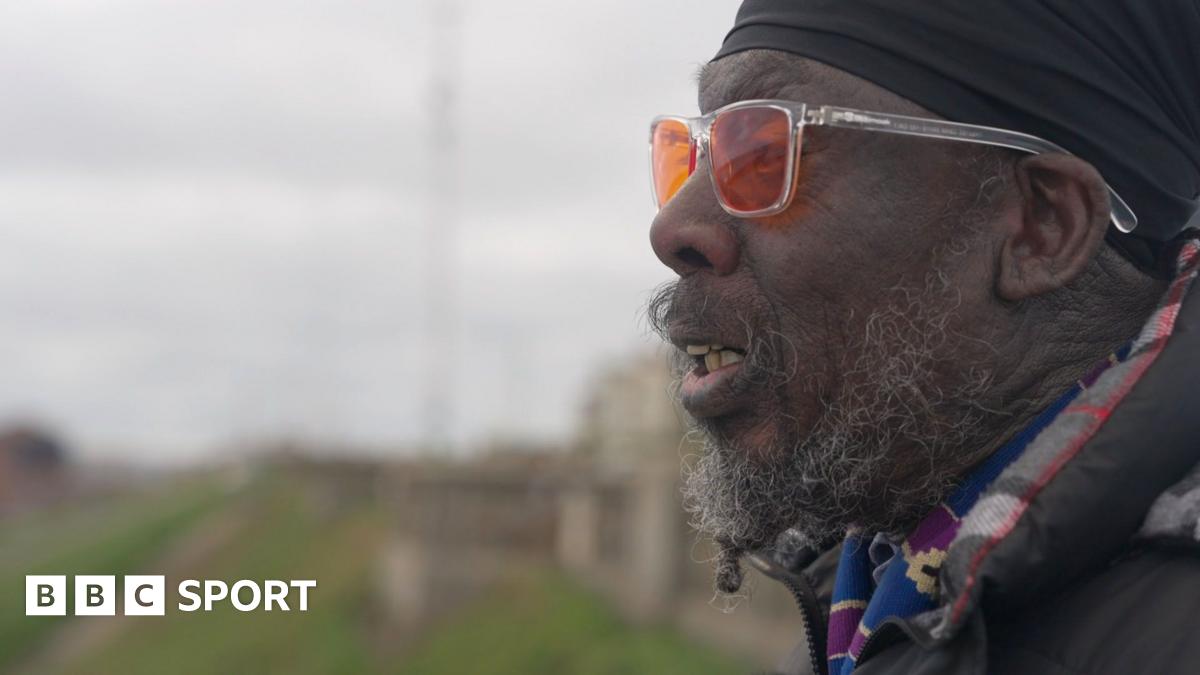
Roly Gregoire walked into the history books in 1980 as the first black player to don the Sunderland strip. For forty-six years, those books remained closed, gathering dust while he processed the wreckage left behind by his time on the pitch.
He recently stepped out from that self-imposed exile to confirm what many suspected but few dared to address. The abuse he faced wasn't just common terrace noise; it was an existential weight that turned his dream into a jagged memory he barely wanted to keep.
The cost of a career
In a candid discussion with the BBC, Gregoire admitted he sometimes wishes he had never touched a football at all. When you hear a pioneer say he regrets his own professional life, the industry needs to stop the hype machine and actually listen.
We spend our weekends drooling over tactics and transfer fees, but the soul of this game has a dark underside. Gregoire’s story reframes everything we know about the era. The 1980s were notorious for terrace poison, but hearing it from the perspective of the man on the wing provides a freezing dose of reality.
Missing the point of history
The club celebrates its archives whenever the marketing department needs a hit of nostalgia. Yet, it took over four decades for Gregoire to feel comfortable opening up about the reality he faced daily.
That is a monumental failure of the institution. If your "history" requires a man to suffer in complete silence for nearly fifty years before he feels safe to speak, you have failed to provide a home for your players.
I sometimes wish I had never played football.
This isn't an isolated incident or a relic from a different century. It is a reminder that while the game claims to evolve, the scars on the people who actually played stay fresh. The reality is that for every legendary goal or iconic clean sheet, there is someone who remembers the sound of a stadium turning on them for no reason other than their identity.
A stadium of ghosts
We are currently obsessing over the upcoming UCL Final at Wembley, focusing on tactical tweaks and pressing systems. It’s a massive stage, sure. But Gregoire’s story is the equivalent of a cold shower in the middle of a fever dream.
Before the next generation signs their record-breaking deals, the league needs to reconcile with the fact that it spent decades ignoring the rot in the stands. Acknowledging a record-breaking player is one thing; acknowledging the broken person they became because of the environment is significantly harder.
There is no glory in the history books if the players themselves are looking back with nothing but regret. We treat the sport like a never-ending cycle of improvement, but Gregoire is living proof that some debts are never paid off. You can't compensate for forty-six years of silence with a plaque in the hallway or a cameo on the big screen.
The industry likes to talk about the beautiful game, but silence is often just a mask for cowardice. Watching this unfold, it is clear that the game hasn't caught up to the humanity of its participants. History isn't just what happened on the scoreboard; it's the weight of the people who were denied the chance to enjoy their own achievements.
Read Next
- Crystal Palace are one win from rewriting their history
- Why Tottenham's transfer strategy is becoming a statistical puzzle
- Top 10: Defining Football Moments of the 2025/26 Season
- Bruno Fernandes fuels Manchester United's hunt for deep-lying reinforcement
- 🏟 EFL Championship 2025-26 — Promotion Race & Play-Off Final Hub