The Unbreakable Ceiling of English Football
It is Friday, March 27, 2026. We are exactly 76 days away from the start of the FIFA World Cup in North America. The domestic leagues are currently entering that beautiful, chaotic phase known as the run-in. This is the time of year when chairmen start sweating, relegation zones look terrifying, and panic-firings happen via late-night text messages.
And right on cue, the managerial merry-go-round starts spinning. The same names. The same faces. The same agents pushing the same clients into jobs they probably do not deserve.
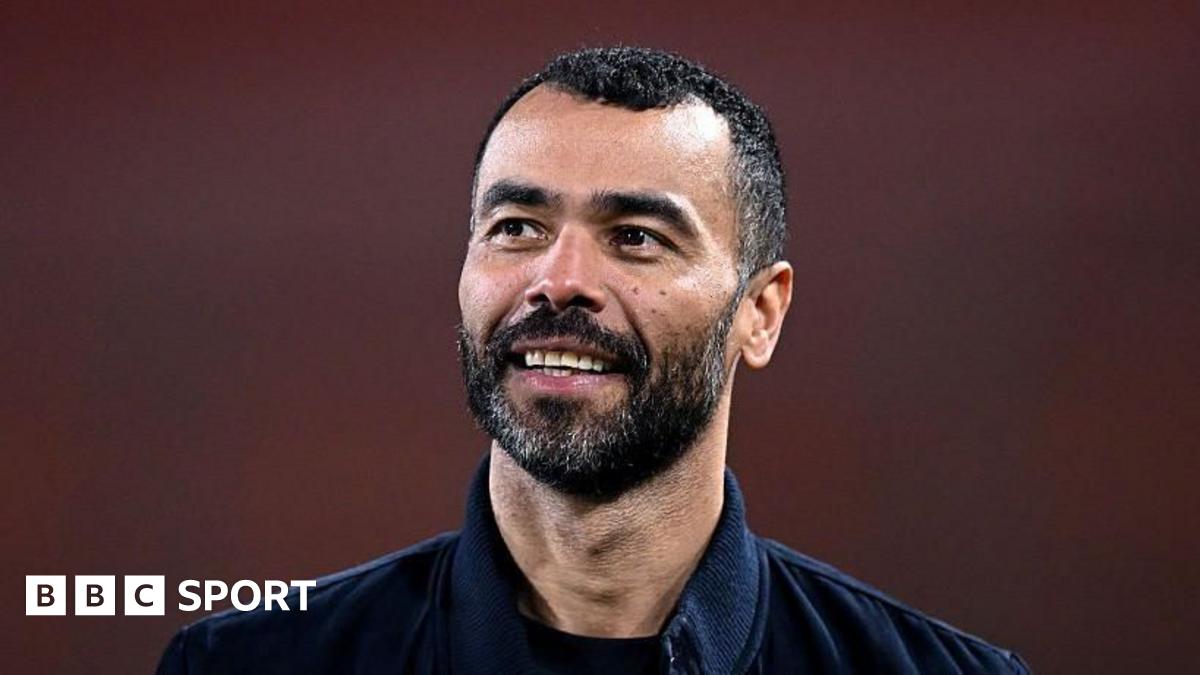
Then you hear Darren Byfield speaking out this week, stating plainly that he is going to keep knocking on the door for Black bosses. It is an admirable stance. It shows serious grit. It shows determination. But honestly? It is completely depressing that we are still having this exact same conversation.
Why the hell is the door still locked?
Byfield is a guy who knows the English football pyramid intimately. He played for over a dozen clubs. He knows the lower leagues, he knows the dressing rooms, and he knows the brutal grind of the sport. He has put his time in. He shouldn't be standing on the porch knocking. The door should have been kicked wide open two decades ago.
The Demographic Disconnect
I remember when Paul Ince got the Blackburn Rovers job back in 2008. We were told this was the breakthrough. We were told the ceiling had been smashed. Instead, someone quietly swept up the glass, rebuilt the ceiling, and added a layer of reinforced concrete just to be safe.
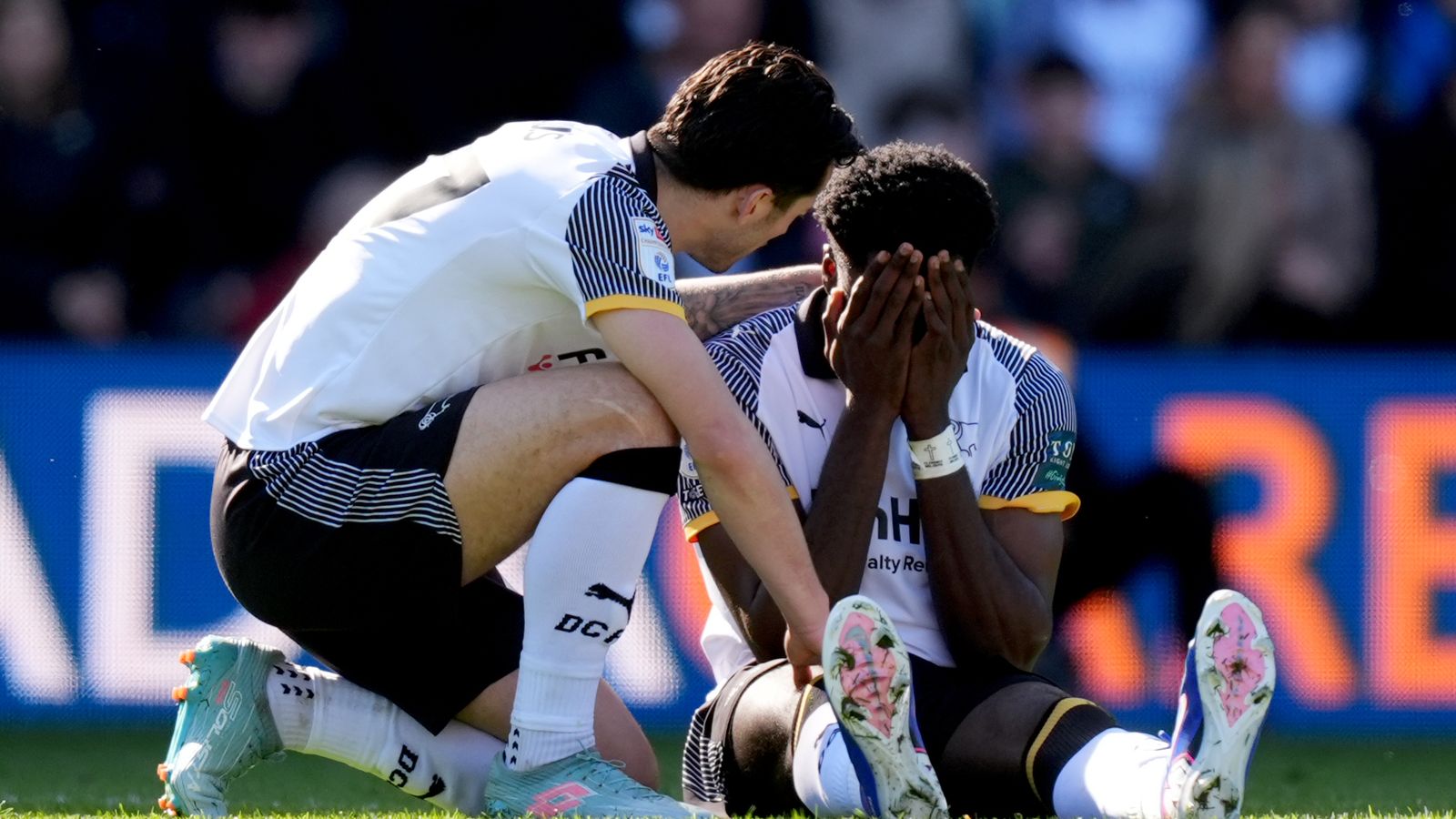
Look at the demographics on the pitch this weekend. Watch any Premier League or Championship match. You are looking at a workforce where Black players make up roughly 40 percent of the elite talent. They are the captains. They are the tactical anchors in midfield. They are the defensive organizers.
But the second those boots are hung up? They vanish.
They do not vanish because they suddenly lose interest in the sport. They vanish because the transition from the pitch to the dugout is rigged. The pathway is broken.
Let's talk about the "experience" trap. It is the oldest trick in the boardroom playbook. A Black coach applies for a job and is told he lacks the necessary managerial experience. The club then turns around and hires a white former player whose only managerial experience consists of yelling at a television studio monitor on a Sunday morning.
Or worse, they hire a guy who has been relegated three times in the last five years. But hey, he "knows the league."
If you want to understand the disparity, look at the runway provided to different managers. Frank Lampard gets the Derby County job, fails to get them promoted, and is instantly handed the keys to Chelsea. He struggles, gets sacked, and later gets the Everton job. Wayne Rooney gets Derby, DC United, and Birmingham City.
I am not saying those guys didn't earn the right to start somewhere. But their runway is a six-lane, freshly paved highway. The runway given to Black coaches is a tightrope suspended over a pit of spikes.
The Macclesfield Miracle and The UEFA License Tax
Remember what Sol Campbell had to do just to get a foot in the door? He had to go to Macclesfield Town. At the time, Macclesfield was a club in absolute financial ruin. They were practically paying players in loose change and expired training ground sandwiches. Campbell performed a minor miracle to keep them in the Football League.
His reward? Practically nothing. He eventually took a doomed job at Southend United, failed, and was basically cast out of the managerial conversation entirely. Meanwhile, Gary Neville bombs spectacularly at Valencia, gets laughed out of Spain, and instantly reclaims his spot as the undisputed voice of British football punditry without his fundamental football intelligence ever being questioned.
Let's look at the financial and structural barriers before you even get to the interview stage. Earning a UEFA Pro License is not like taking a weekend seminar. It requires massive financial investment and years of dedication. It costs thousands of pounds. It requires sponsorship or backing from a club.
If you are a recently retired white player with good connections, your former club often fast-tracks you into the academy setup. They pay for your badges. They groom you for the role.
If you are a Black player retiring without those same boardroom connections, you are largely left to fund and navigate this labyrinth entirely on your own. You are fighting an uphill battle against a system that fundamentally does not want to accommodate you.
The Myth of the "Man-Manager"
Let's look at Chris Hughton. What did Hughton ever do to justify the disrespect he received? He got Newcastle United promoted back to the Premier League in 2010. They fired him midway through the next season while sitting comfortably in mid-table. He took Brighton from the Championship to the Premier League and kept them there. They fired him because he wasn't "progressive" enough.
Every time Hughton achieved exactly what he was asked to achieve, the goalposts were moved. He was never given the benefit of the doubt.
There is a sinister underlying narrative in football that refuses to die. It is the idea that Black players make phenomenal athletes, but are somehow not equipped to be tactical masterminds. You hear it in the coded language of commentators. A Black manager is always described as a "great man-manager" or a "motivator." They are rarely praised for a tactical masterclass or a complex pressing system.
That bias bleeds directly into the boardroom. When a chairman wants a "tactical philosopher" to overhaul the club, he looks to Europe, or he looks for the next young white coach with a laptop. He does not look at the Black coach who has spent five years grinding through the academy ranks.
Look at Patrick Vieira. He had Crystal Palace playing actual, watchable, attacking football. He transitioned them away from the dour, defensive slog they had been trapped in for years. But the moment they hit a rough patch of form? He was sacked. No grace period. No benefit of the doubt. The board panicked, pulled the ripcord, and immediately brought back Roy Hodgson.
Think about that. They sacked one of the greatest midfielders in Premier League history, who was trying to build a modern footballing project, so they could bring back a man in his late 70s to play a low block. It tells you everything you need to know about how quickly a club will abandon a Black manager the second the going gets tough.
The Rooney Rule Charade
The EFL tried to fix this with their version of the Rooney Rule. The mandate was simple: clubs must interview at least one Black, Asian, or minority ethnic candidate for a managerial vacancy.
Do you know what that turned into? The quickest, most cynical box-ticking exercise in corporate sports history.
I have spoken to coaches who knew exactly why they were in the room. You walk in. The chairman is checking his phone. The sporting director is doodling on a legal pad. The vibe in the room is completely dead. They already offered the job to their mate's client the night before over a glass of expensive wine. You are just there so the club does not get a strongly worded email from the FA.
You are dragged into an interview you have a 0 percent chance of winning, just to provide legal cover for a hiring process that was rigged from the start.
It is humiliating. Darren Byfield knows this. Every Black coach in the system knows this. The real problem lies in the directors' boxes. The ownership syndicates. The people making the decisions hire people who look like them, talk like them, and operate in the same informal networks. Unconscious bias isn't just a buzzword; it is the entire operating system of English football hiring.
If you are a Black coach, you have to be flawless. You cannot afford a bad month. If a white manager goes on a six-game losing streak, the board blames the injury list, the recruitment department, or the difficult fixture schedule. If a Black manager loses six games, the board concludes he has lost the dressing room and lacks the tactical depth to survive.
We are watching this play out week after week. The recycling of the same tired managers is an insult to the fans, but it is a massive, structural slap in the face to a generation of Black coaches who are systematically ignored.
The FA and the Premier League love a good PR campaign. They love to slap a patch on a sleeve. They love a dedicated weekend with a catchy slogan on the advertising hoardings. They will gladly put out a press release patting themselves on the back for supporting diversity.
But when it comes to actual, hard, structural change? Absolute silence.
They refuse to penalize clubs for sham interviews. They refuse to mandate diversity in the boardroom, where the actual power lies. They are perfectly happy to let the game look incredibly diverse on the pitch, while keeping the power structure completely monochromatic.
Byfield says he will keep knocking. He shouldn't have to. He has spent his entire adult life in this sport. He has bled for clubs up and down the country. The fact that he still has to beg for a legitimate opportunity in the year 2026 is an absolute joke.
The door shouldn't just be unlocked. It should be taken off its hinges. Until the people running English football actually care enough to dismantle the boys' club, we will be having this exact same conversation in another ten years. And that is the biggest disgrace of all.