The ultimate locker room blood sacrifice
In modern football, loyalty usually lasts exactly as long as the release clause in a player's contract. We see guys force moves every July, agents leaking stories to Fabrizio Romano while their client is still technically under contract, and clubs treating human beings like depreciating assets on a balance sheet. That is why the story of the Ashton Gate Eight feels like it belongs to a different planet, or at least a different dimension of reality.
Bristol City was staring into the abyss in 1982. The club was buried under massive debt, bleeding cash, and heading toward a total collapse that would have wiped them off the map. To save the club from liquidation, eight players walked into an office and voluntarily shredded their own contracts. They didn't settle for a fraction of what they were owed. They essentially set fire to their own professional futures to ensure there would still be pitches to play on for somebody else the following season.
The cost of saving the game
Today, people talk about debt relief packages like they are just accounting errors. When Terry Cooper, Geoff Merrick, Trevor Tainton, Julian Marshall, Peter Aitken, Jimmy Mann, David Rodgers, and Chris Garland took that bullet, it wasn't a business masterclass. It was a career-ending move in the middle of their prime. They were essentially blacklisted by the professional game, viewed by other clubs as toxic assets or bargaining chips of a failed project.
It is genuinely nauseating to look back at how their professional lives crumbled after that act of grace. These were not multi-millionaire superstars with diversified portfolios sitting in a tax haven. These were working-class professionals. They gave up hundreds of thousands of pounds during an era where contracts were nowhere near the current bloated standards. They didn't just lose money; they lost the stability that kept their families afloat.
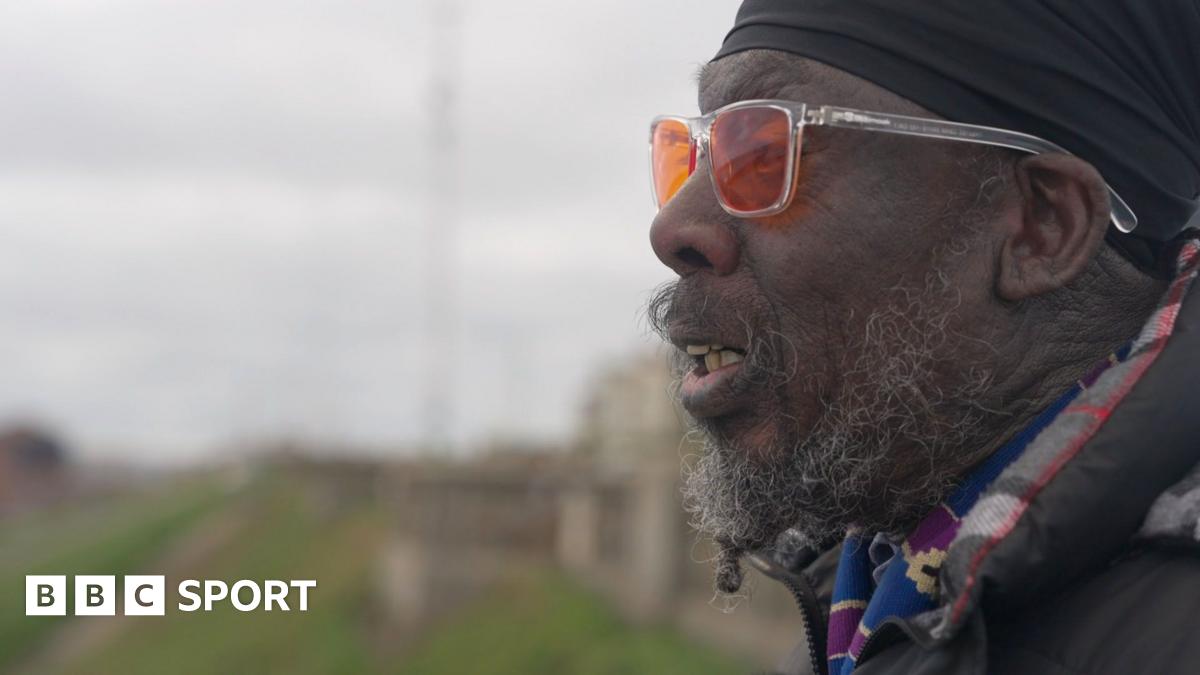
"The whole thing broke my heart and my mind"
That quote alone should stop anyone who claims there is no soul left in football dead in their tracks. It captures the psychological toll of being the ones who saved the shirt while losing everything else. The club survived, eventually rising back through the ranks, but the human cost was paid in silence for decades. Most clubs would have built a statue of these eight men in the parking lot within a year. Instead, they were left to navigate a post-football existence while dealing with the fallout of their own altruism.
Football’s collective selective memory
Why do we treat this like a footnote? If this happened in a Hollywood sports movie, we would call it unrealistic. If it happened in the NFL, they would have a 30-for-30 documentary narrated by a legendary voice actor. Yet here, in the world of professional football, we seem to struggle with honoring the people who actually kept our hobby alive.
We obsess over the 115 charges hanging over Manchester City or the latest transfer window theatrics, but we ignore the actual sacrifices that make the heritage possible. It is a massive failure of the collective community. We treat the history of these clubs as a series of trophies and managers, ignoring the fact that without these eight guys, Bristol City is just a pub team somewhere in the West Country.
There is a harsh reality here that needs addressing. We often praise the game for its corporate growth, but that growth has created a vacuum where genuine morality goes to die. These men didn't have the leverage of a modern agent. They didn't have a social media presence to cultivate a brand. They did the right thing because that was the expectation of the time, and they were hung out to dry for it.
Every fan base likes to claim their club has a soul. Go check the current state of your own club’s finances. If you think your players would take a vow of poverty to stop an administration order, you are living in a dream world. The Ashton Gate Eight remains the gold standard for what a player actually owes the community. It is a standard nobody has met since, and perhaps, a standard nobody will ever meet again.
It is time for the PFA and the clubs to stop ignoring the uncomfortable arithmetic of the past. We keep seeing articles like recent reports on their lasting struggle, and yet, the needle barely moves. Giving them a token appearance at a half-time event in the 2026 calendar year isn't enough. It never was. These eight men didn't just save a team; they saved a heartbeat for an entire city. They should be treated like royalty, not like victims of a forgotten war.