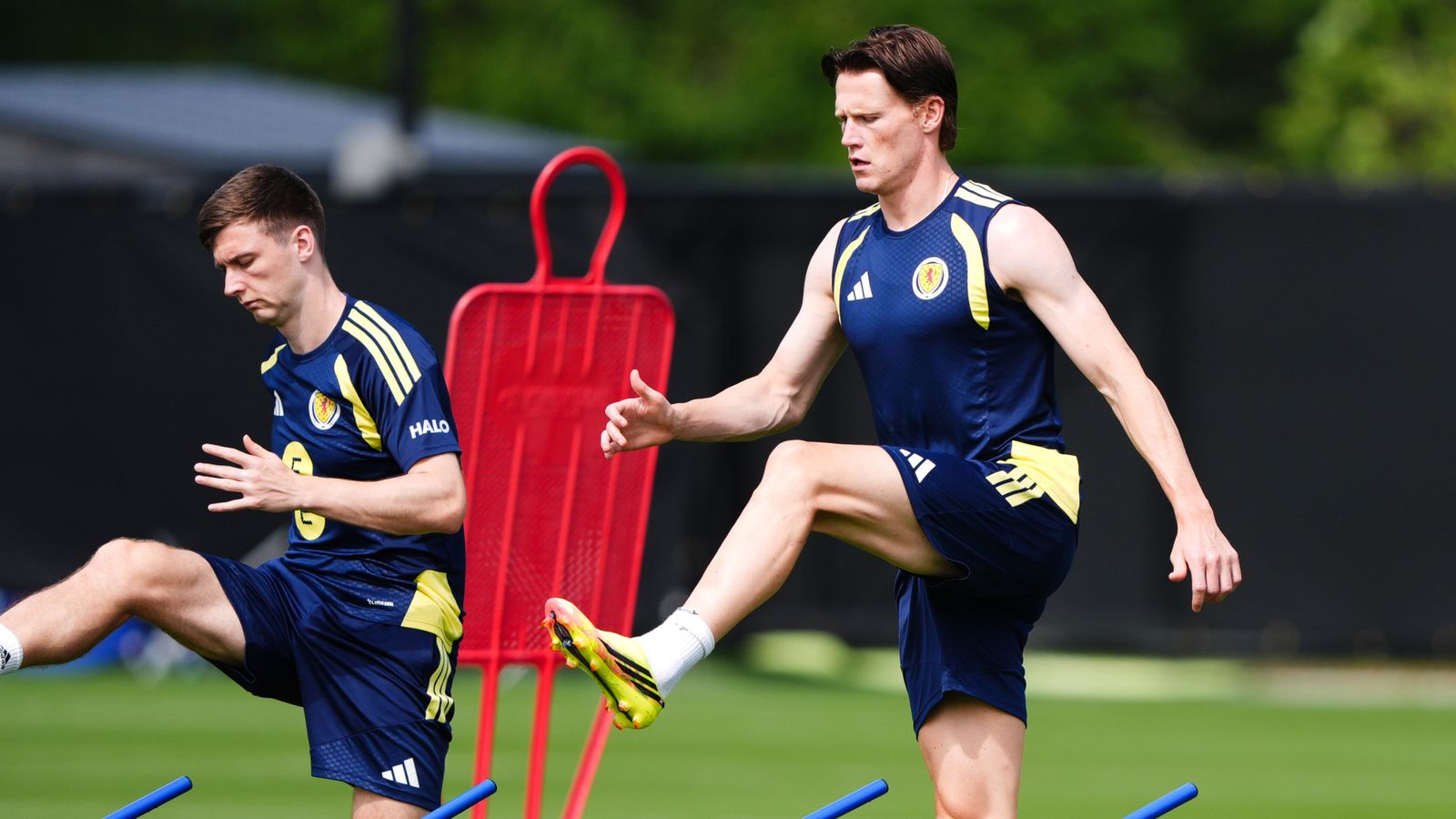
Tactical clarity in a sea of qualification noise
Six days remain until the 2026 World Cup kickoff, and the mood in the Scotland camp stands in stark contrast to other national sides currently scrambling for identity. While Thomas Tuchel is grappling with a truncated preparation window for England, as reported by the BBC, Scotland has used their qualification cycle to establish a definitive, high-pressing rhythm that makes them a potential dark horse.
The ruthlessness displayed in their recent 6-0 thrashing of Israel was not merely a case of an inferior opponent capitulating. It was a demonstration of a highly functional internal structure. Caroline Weir, operating in the pockets behind the forward line, dictates the tempo with a surgical level of precision that few midfields can manage for ninety minutes.
The Weir effect and the defensive anchor
Weir’s hat-trick in the Israel fixture showcased more than individual brilliance. It highlighted the specific triggers utilized in the final third. When the ball moves vertically, the supporting wide players hold the touchline, effectively pinning the opposition fullbacks and creating the gaps through which Weir exploits. Her efficiency is the engine of this side.
However, there are flaws that a top-tier tactical setup will eventually drag into the open. During the transition phase, the heavy reliance on fullbacks to provide offensive width occasionally leaves the center-backs isolated in 1v1 situations. Against a counter-attacking unit with high pace, this margin for error shrinks significantly. If the defensive line sits too high against elite opponents, they risk leaving massive pockets of space behind their midfield pivot.
Looking toward the opening fixture
The 2026 tournament cycle demands a level of physical endurance that differentiates the contenders from the participants. Scotland’s current fitness profile is top-tier, but the psychological hurdle of maintaining this offensive output under the bright lights of the World Cup remains the final frontier. They are currently outperforming their xG in meaningful ways, suggesting high conversion rates that might regress if the defensive cover is compromised.
Predictions are risky, but the path ahead is clear. Scotland enters the tournament with a refined tactical identity that favors possession progression over aimless long balls. If they maintain this level of discipline, the group stages will be far more congested than the pundits anticipate. I expect them to secure a result in their opener by focusing on the same tactical discipline that earned them their 6-0 win last week. They are better than the bookies suggest, but they lack the bench depth to survive a prolonged campaign if Weir is neutralized. My call: They advance to the knockouts, provided they keep their defensive shape narrow in the closing 15 minutes of each half.
Read Next
- Nike’s World Cup marketing gambit shows exactly how much is at stake
- Brazil's 2026 World Cup path is a minefield waiting to blow up
- Brazil's group stage path is basically a trap waiting to snap shut
- England are bottling the 2026 World Cup group stage before it even starts
- 🏆 World Cup 2026 — Full Coverage Hub
- 🏴 Scotland World Cup 2026 — Tartan Army Hub
- 🇧🇷 WC 2026 Group C — Brazil, Morocco, Scotland, Haiti