The Defensive Shakedown
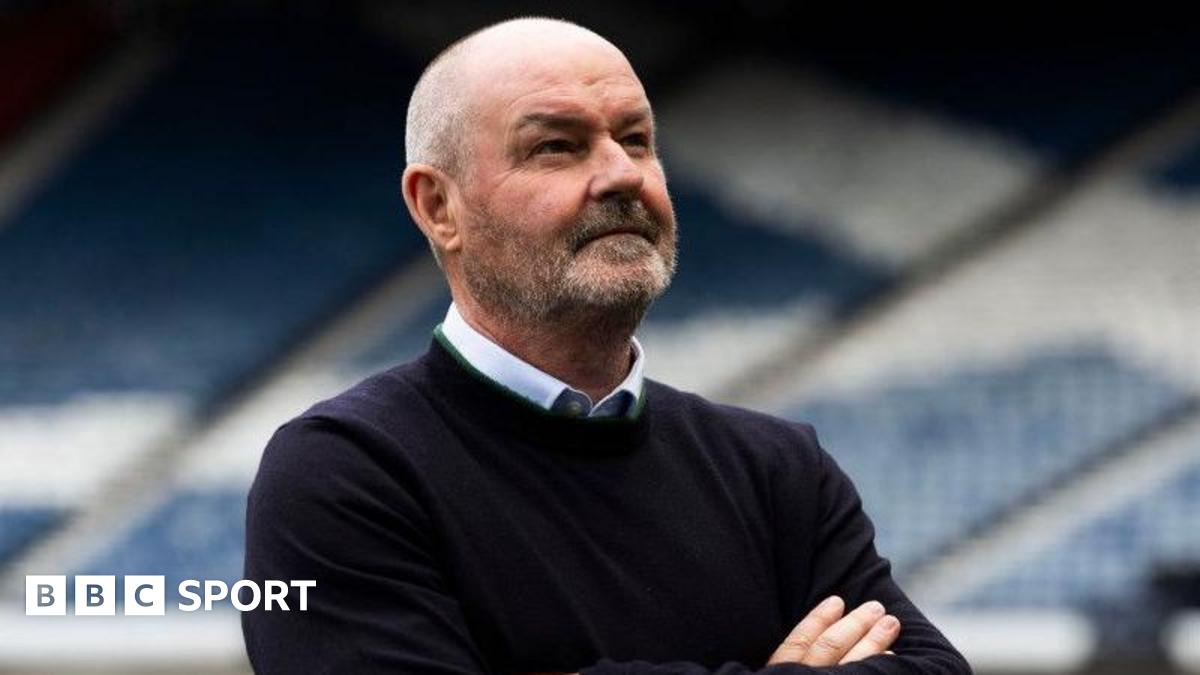
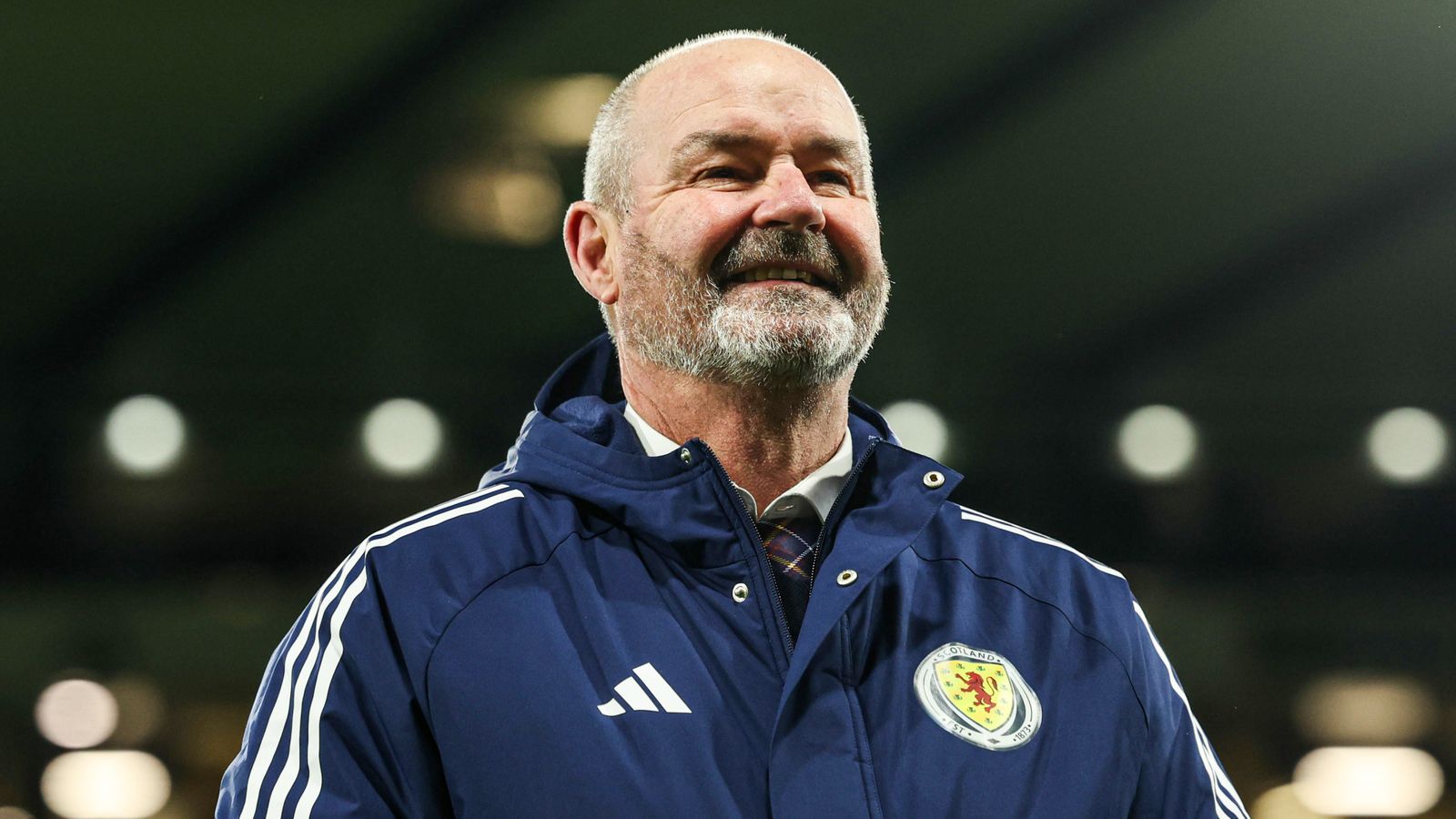
Scotland manager Steve Clarke is staring at a depleted roster just as the national team enters its most critical preparation window. The headlines might be dominated by contract talk, but the reality on the training pitch is far grimmer. Several key defensive pillars are currently sidelined with varying degrees of soft tissue and joint issues that threaten to derail the tactical continuity Clarke has spent years building.
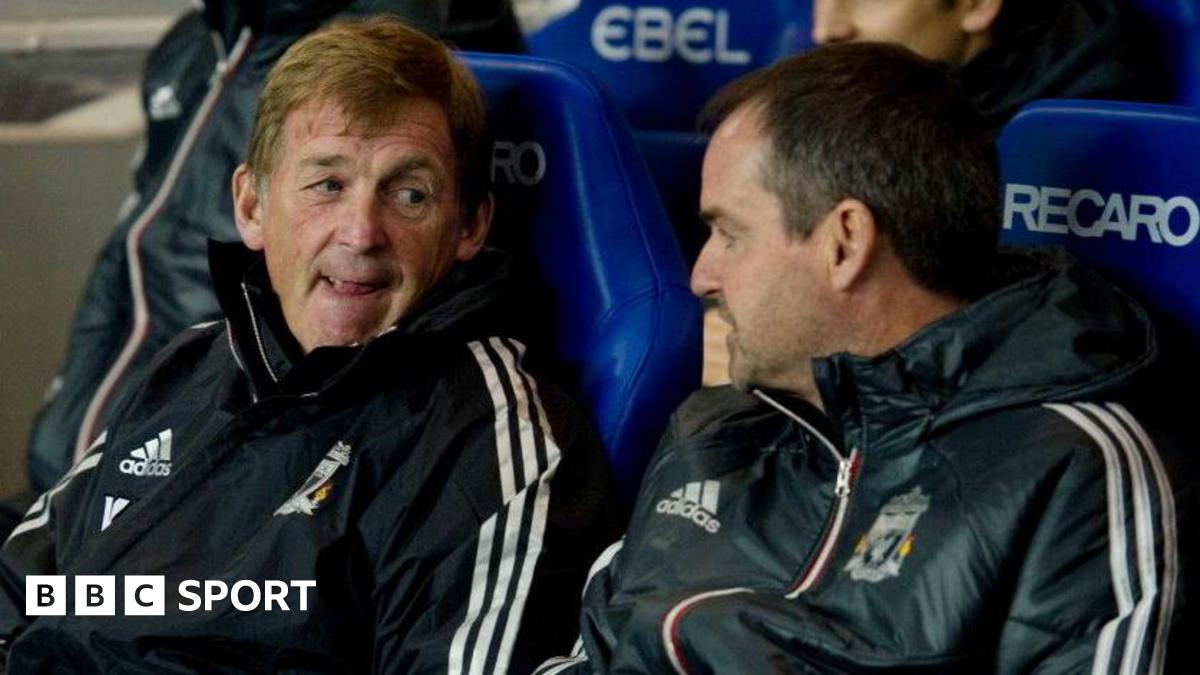
The most pressing concern remains the fitness of the backline. Grant Hanley and Kieran Tierney have both struggled with recurring issues that limit their availability for high-intensity international blocks. While Sir Kenny Dalglish has backed Clarke to lead the team regardless of immediate results, the manager knows that a team without its primary ball-progressing defenders is a team without an identity.
Medical Context and Historical Patterns
Tierney’s injury history is well-documented and remains a significant hurdle for Scotland’s tactical flexibility. His hamstring issues have become a chronic concern, often flaring up during periods of fixture congestion. In the modern game, a hamstring tear isn't just a three-week absence; it’s a structural risk that requires specific load management. When Tierney is out, Scotland loses the overlapping threat from the left-sided center-back position that defines their 5-4-1 transition.
Grant Hanley presents a different medical profile, dealing with the aftermath of an Achilles rupture that has seen his recovery punctuated by minor setbacks. For a center-half who relies on aerial dominance and physical positioning, any loss of explosive power in the lower leg is catastrophic. We have seen similar struggles with players like Leonardo Spinazzola, where the initial return is followed by months of 'compensation injuries' in the calves and quads.
Tactical Fallout and Selection Headaches
Without these veterans, Clarke is forced to look at the next tier of the depth chart. Ryan Porteous and Jack Hendry are the immediate beneficiaries, but they lack the same level of international composure. Porteous brings a necessary aggression, yet his tendency to dive into tackles early often leaves the Scottish midfield exposed. This was evident in recent qualifiers where late defensive lapses cost the team cheap goals in the final 15 minutes of play.
The impact on team selection is immediate. If Tierney cannot start, Andrew Robertson is forced to play a more conservative role at left-back, rather than the marauding wing-back position where he excels. This creates a domino effect. The midfield must then sit deeper to provide cover, effectively neutering Scotland’s ability to press high. It’s a pragmatic shift that Clarke hates to make, but the medical reality leaves him with zero options.
Timeline for Recovery
The short-term outlook (1-3 weeks) is focused on localized rehabilitation and light ball work. For Tierney, the goal is to avoid any further scar tissue buildup. The medical staff at his club side are in constant communication with the Scotland setup, but the priority is clearly the player's long-term availability for the summer finals. Pushing him now for a friendly would be a massive error in judgment.
Long-term (1 month+), Hanley needs to prove he can handle the physical toll of 90 minutes against top-tier international strikers. His lack of match sharpness is a glaring weakness. Even if he is medically cleared, the 'match-fit' status is a different beast entirely. Scotland cannot afford to carry passengers in a tournament environment where every transition is punished.
The Scottish FA would be silly not to offer Steve Clarke a new contract, regardless of how the team performs this summer.
Dalglish is right about the stability Clarke brings, but even the best coach cannot fix a broken hamstring with a whiteboard and a marker. The next few weeks will determine if Scotland travels with their best XI or a patched-up squad of reserves. Roster depth has always been the Achilles' heel of the national team, and the current injury list is testing that theory to its absolute limit.