The Tartan Army is hitting the panic button
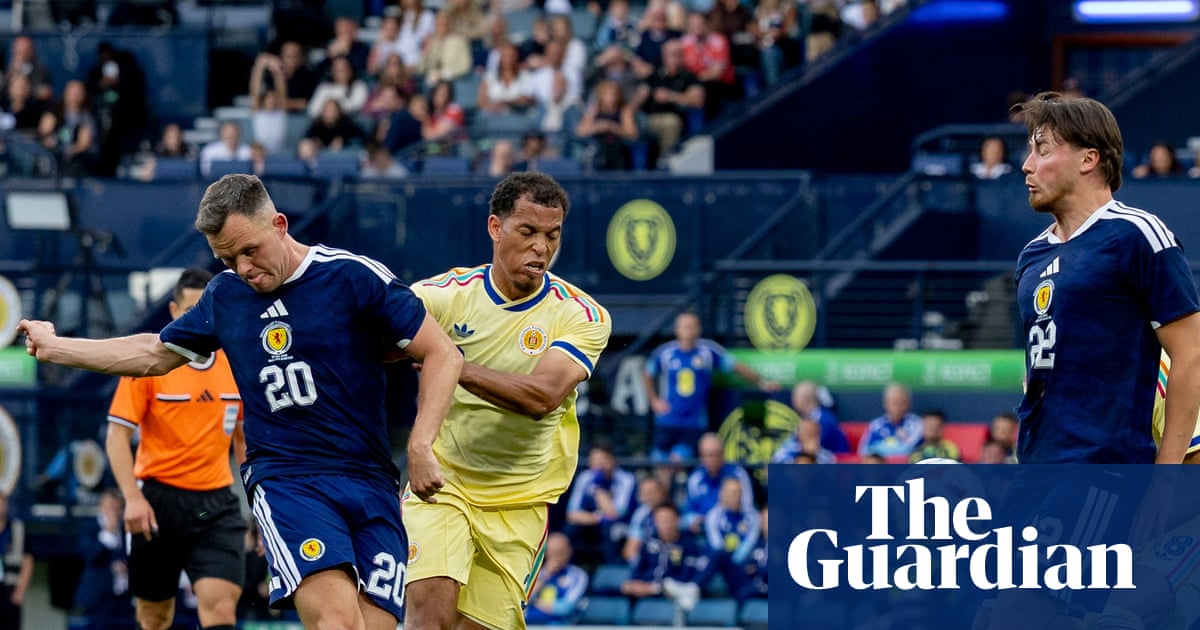
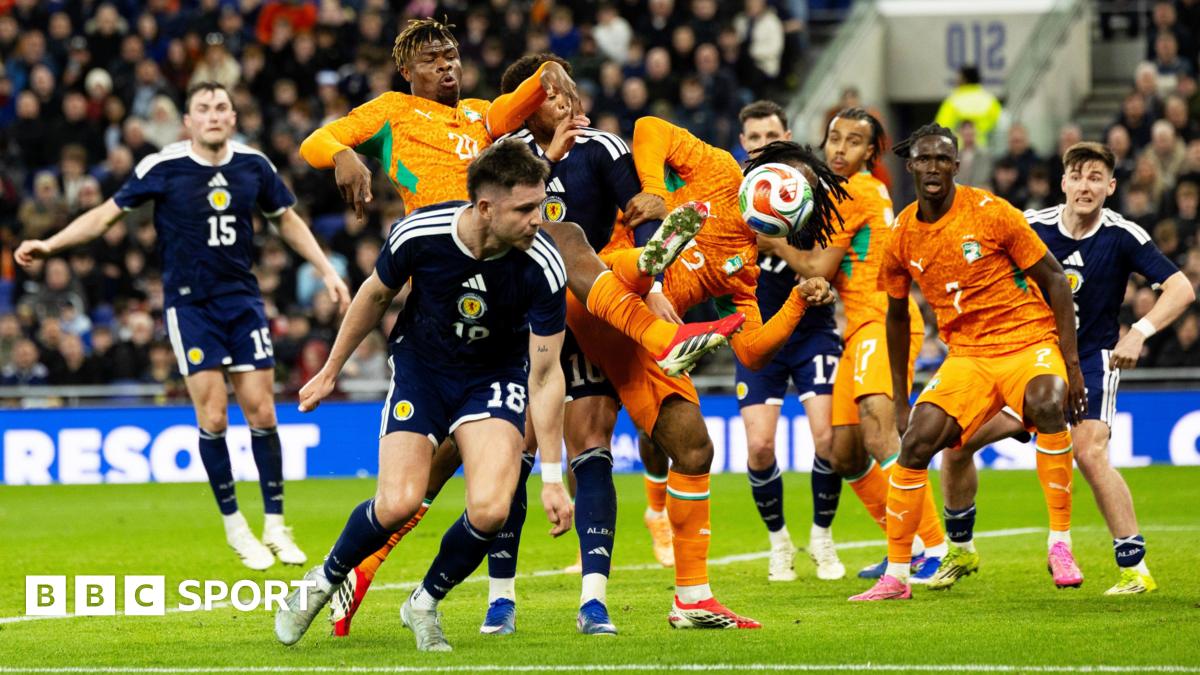
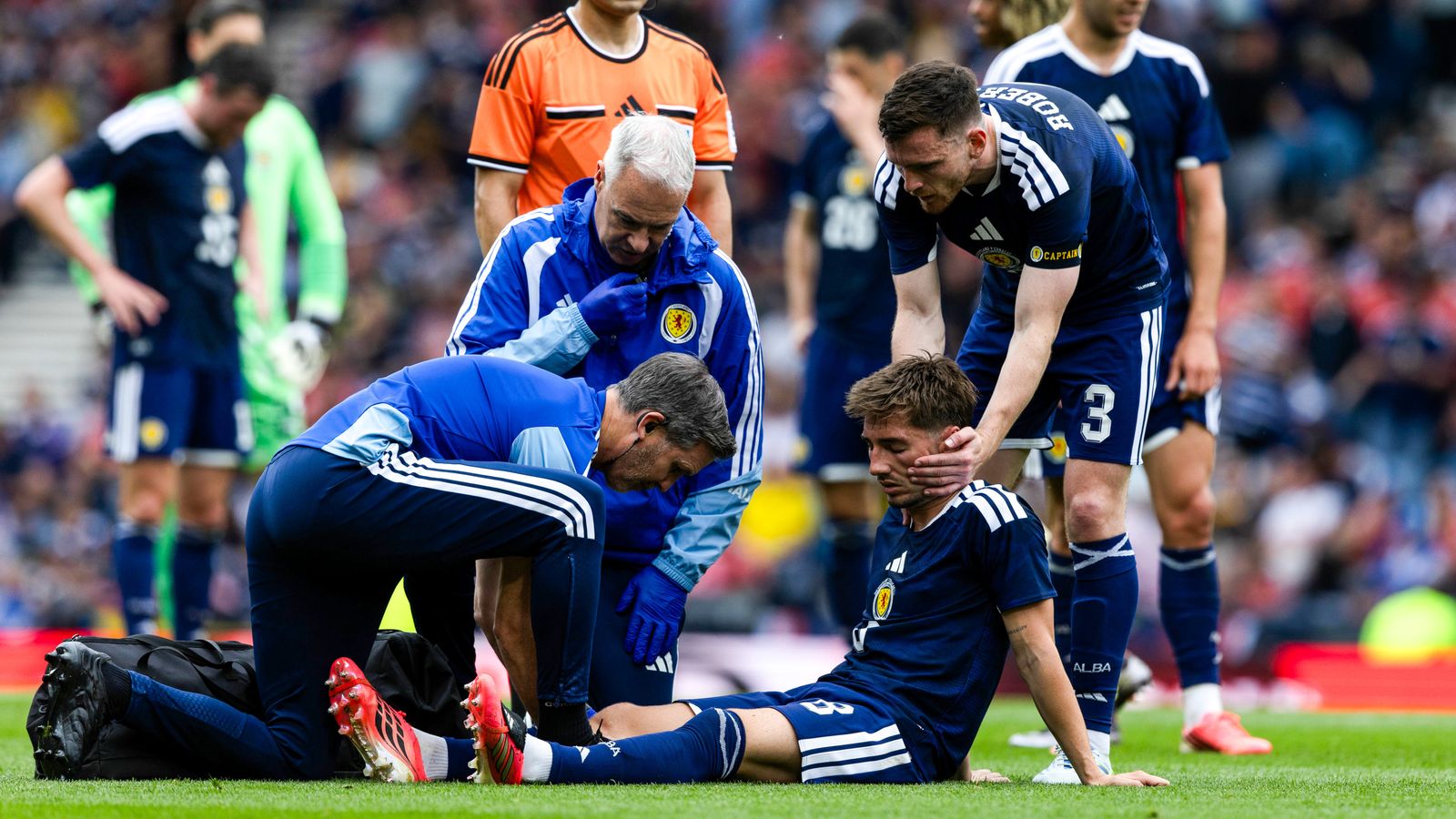
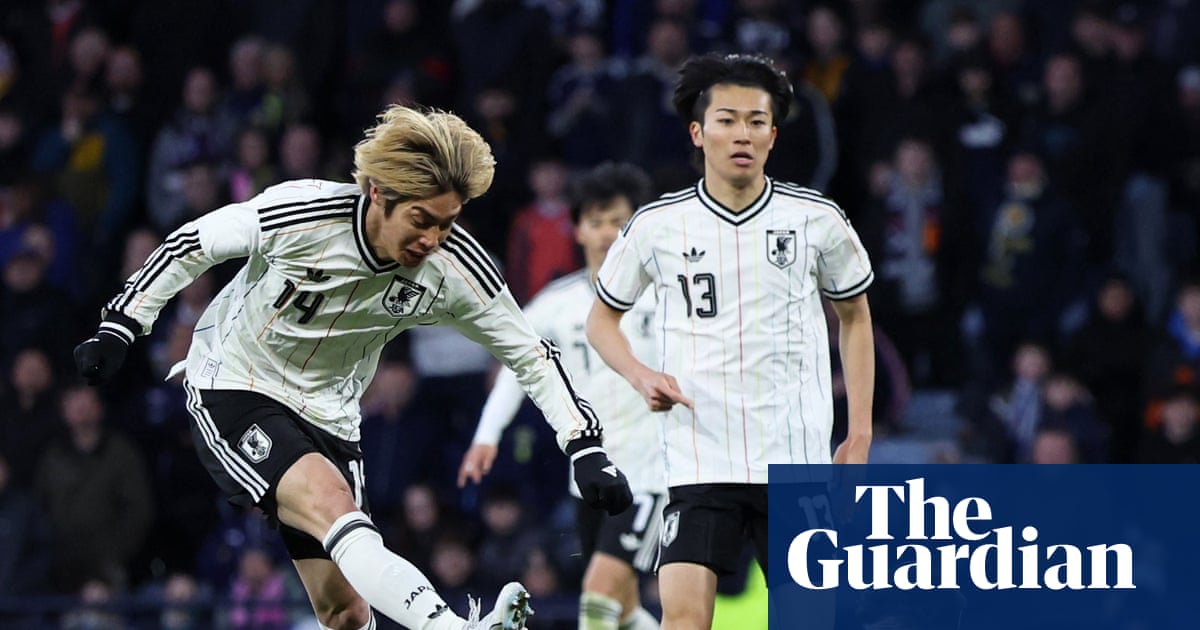
April Fools' Day might be today, but the state of the Scotland national team is no joke. After dropping two straight friendlies to Japan and Ivory Coast, the confidence levels in the dressing room are reportedly hovering somewhere between 'mild concern' and 'total meltdown'. Steve Clarke needs a reality check before the summer schedule turns physical.
You can look at the recent international break performances and see a team struggling to find its identity against high-tempo opponents. Japan swarmed them with pace, and the Ivory Coast defensive structure made the Scottish attack look like they were running through molasses. When you lose to two different confederations in one window, questions start being asked about the tactical ceiling.
The youth movement is hiding in plain sight
While the senior squad is busy getting their clocks cleaned, the next generation is actually putting in the work. Watching the U21 levels proves that talent is there if someone bothers to look. Take the case of Davide Bartesaghi, who just bagged his third assist of the break for Italy U21s against Sweden according to reports from Sempre Milan. That is the kind of productivity that wins games.
Scotland’s personnel choices look stagnant by comparison. If your senior roster is losing to quality opposition, you have to blood the youth or accept a long, painful summer. There is a glaring lack of invention in the final third, and relying on the same veteran blocks is a recipe for an early exit in any major tournament.
Why the lack of rotation is hurting Clarke
Clarke has a habit of sticking to his guns, but his guns are currently misfiring. You cannot trot out the same XI and expect different results against fluid, technical sides like Japan. Static transition play is a death sentence in modern football, and that is exactly what the fans saw over the last two weeks.
His failure to integrate new faces into those friendly slots is a massive oversight. We are less than 75 days away from the World Cup kickoff, yet the starting lineup feels like a mystery. If you aren't testing your depth against Ivory Coast, when are you going to do it? You don't experiment during a knockout tie.
The defensive math
Defensively, Scotland looked disjointed. They gave up too much space in the pockets, allowing attackers to turn and drive directly at the back line. This isn't just about personnel, it's about shape. Against elite sides, a 5-4-1 formation can easily collapse into a 5-2-3 if your midfielders aren't tracking runs with clinical discipline.
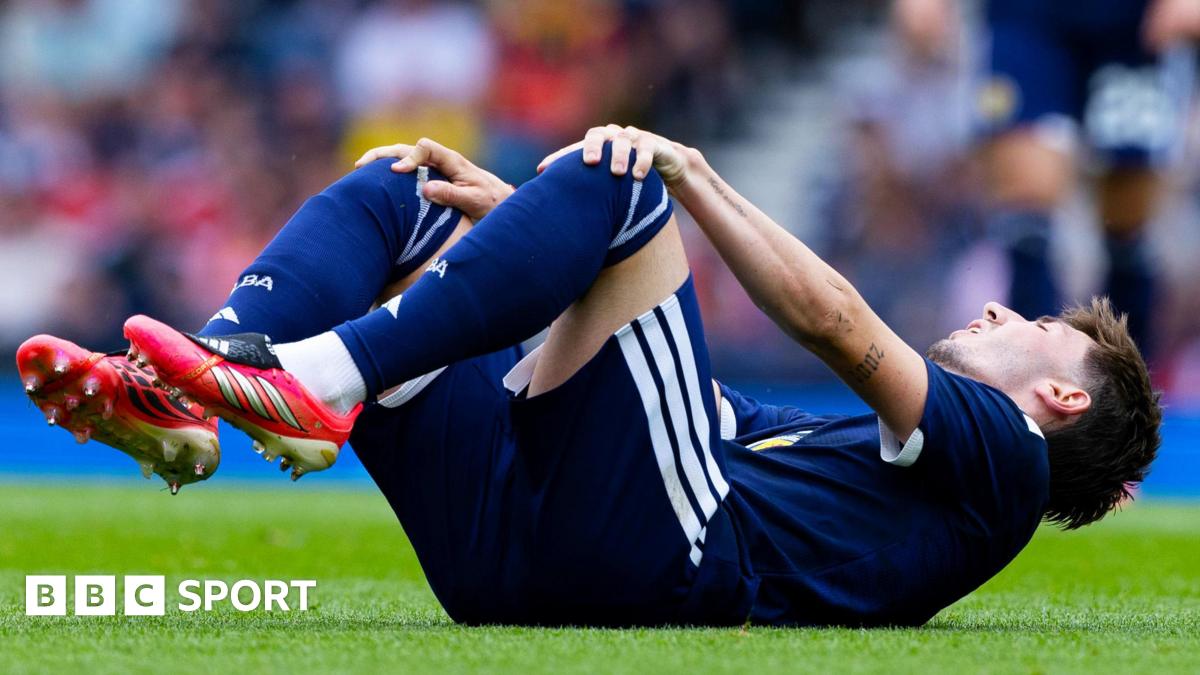
They need to find a way to stabilize the center-back pairing. Between the friendly losses and the injury concerns lingering on the periphery, the back line is effectively a revolving door. If they don't shore things up before the June window, they are going to get picked apart by teams that actually have a functioning tactical engine.
The reality check
Let's be clear: friendlies are meant for testing, but losing two in a row does something to a team's psyche. The optics are terrible. It’s hard to build momentum when you enter the final preparation phase off the back of such poor results.
Steve Clarke needs to stop treating tactical rigidity like a virtue. If the veterans aren't putting in the yards, drop them. If the kids are showing up elsewhere, call them up. Scotland doesn't have the luxury of playing it safe when they are conceding multiple goals a game.
The clock is ticking. June is closer than it looks on the calendar. Either we see a pivot in approach, or we are bracing ourselves for a short, frustrating experience on the biggest stage of all.
Read Next
- Chelsea and Arsenal are stuck in a tactical stalemate
- Milan must manage Leao carefully if they want to survive Napoli
- Brentford’s tactical evolution hinges on Thiago’s recent breakthrough
- Milan are prioritising the wrong kind of structural growth
- 🏴 Scotland World Cup 2026 — Tartan Army Hub
- 🇧🇷 WC 2026 Group C — Brazil, Morocco, Scotland, Haiti