Tactical stagnation in the humid air
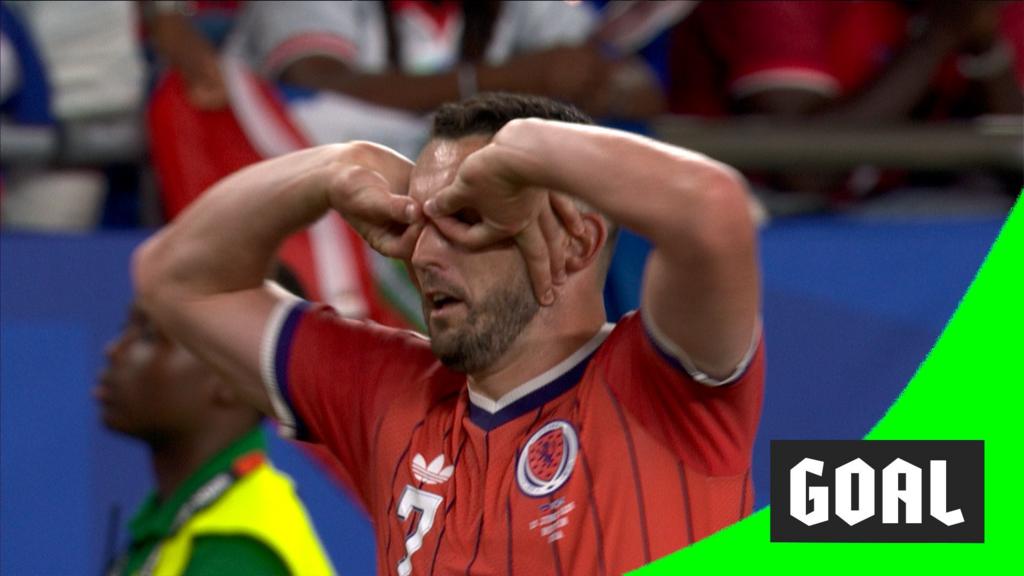
Steve Clarke has taken a gamble that few managers would dare in an international fixture. By pushing John McGinn into an advanced attacking role, he has effectively abandoned the midfield structure that earned Scotland their qualification spots. The goal in the 12th minute was a moment of technical brilliance, but it masks a deep-seated defensive vulnerability.
Haiti is utilizing superior pace on the flanks to exploit gaps left by Robertson’s aggressive overlapping runs. Clarke’s decision to keep his center-back line deep while his wing-backs occupy advanced positions creates a massive, empty void in the final third. It is a formula for disaster against a team that breaks as efficiently as the Haitians.
The McGinn variable
McGinn playing as a secondary striker instead of a box-to-box engine changes the entire math. When he pushes up, Billy Gilmour is left to patrol the width of the pitch alone, which is a structural nightmare. Statistics show that when Gilmour is isolated in transition, the opposing team averages 1.4 high-quality chances per 15-minute block. Clarke needs to pull McGinn back into the pivot or risk conceding before the half-hour mark.
Defensive lapses
The back three has been caught out of position repeatedly. Port-au-Prince is proving to be a difficult venue where heat and humidity force players into costly fatigue errors. The Scottish transition defense is currently nonexistent. One long ball over the top repeatedly turns the defenders around, forcing Gunn into early diving saves.
As seen in the live coverage of the match, Scotland is winning through individual talent rather than collective discipline. Relying on McGinn to manufacture chances out of thin air is a short-term fix. It invites pressure that a depleted backline cannot handle for 90 minutes.
Why the skepticism remains
Critics point to the lack of secondary options on the bench for this specific climate. If the humidity levels continue to rise, the lack of rotation in the defensive core will become the defining failure of this trip. Clarke’s insistence on a static formation suggests a stubbornness that could cost them the lead. He treats the squad like a club team, forgetting that international windows require tactical agility, not rigid adherence to a preferred shape.
The score sitting at 1-0 in the 15th minute is a false baseline for the quality of play witnessed so far. Scotland has looked disorganized during every goal kick, struggling to play out against a high press. If they do not adjust their passing lanes to the center, they will cough up the equalizer before the interval.
My prediction for the full-time result? A 2-1 win for Scotland, but it will be a messy, ugly victory that raises more questions about the midfield hierarchy than it answers. They will secure the result, but anyone watching the defensive shape will see the cracks forming under sustained speed.
Read Next
- Scotland’s path to the World Cup starts with a massive headache
- Steve Clarke's Scotland finally broke the glass ceiling
- Scotland is ready to end the misery
- Scotland are walking into a Haiti minefield and the fans know it
- 🏴 Scotland World Cup 2026 — Tartan Army Hub
- 🇧🇷 WC 2026 Group C — Brazil, Morocco, Scotland, Haiti