A Collective Exhale in the Pacific Northwest
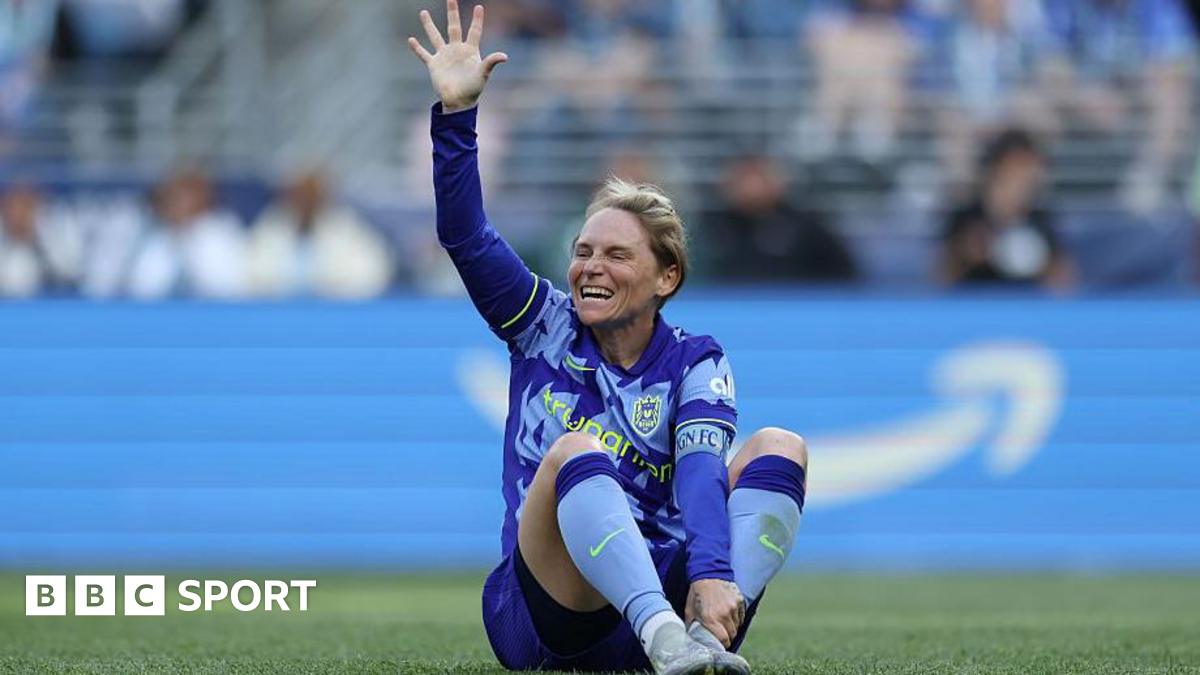
The collective gasp around Lumen Field earlier this week was justified. When a player of Jess Fishlock's caliber goes down, and the initial whispers suggest a career-ending scenario, the tactical reality of the situation hits hard. Seattle Reign supporters spent the last 48 hours refreshing feeds, waiting for the dreaded confirmation. Instead, they got a reprieve. According to recent reports, the club allayed fears that the Wales legend's career was coming to a premature end due to injury.
This goes beyond veteran presence or locker-room leadership. Those are intangible clichés often used by front offices to mask a decline in on-field production. Fishlock is the literal engine room. Her tactical utility in the middle third dictates how the Reign transition from an organized defensive block into a lethal counter-attacking force. When she is missing, the gears grind to a halt.
The Midfield Engine and the High Press
To understand the panic in Seattle, you have to look at the tape. Fishlock operates as a unique hybrid in the modern women's game. She is ostensibly deployed as an eight in a double pivot or a midfield three, but her heat maps routinely resemble a player given a free role to hunt the ball. When Seattle initiates their high press, she is the primary trigger. She dictates the line of confrontation.
Watch the footage from any major match over the last two seasons. The opposition center-backs look to play out from the back, and it is Fishlock who reads the lateral pass. She does not just press the player in possession; she angles her run to cut off the passing lane to the holding midfielder simultaneously. It is a high-IQ defensive maneuver that forces turnovers in the final third. Without her on the pitch, the Reign's pressing structure often flattens out into a passive, reactive 4-4-2. Opponents are granted the time and space to dictate the tempo and switch the point of attack without facing immediate, aggressive pressure.
The news that this injury is not the end of the line means the coaching staff does not have to rip up their tactical blueprint. A long-term absence would have forced a total midfield restructure. The manager would have likely been forced to drop an attacking player deeper, sacrificing final-third penetration just to maintain a baseline of defensive solidity.
Ball Progression and the Danger of the Late Run
Then there is her work in possession, which is arguably even more difficult to replace. Fishlock possesses a rare ability to break lines with the ball at her feet. She receives the ball on the half-turn, taking her first touch away from oncoming pressure. This allows Seattle to bypass the opponent's first line of engagement without resorting to long, low-percentage balls lofted aimlessly up the channel.
More importantly, her late runs into the penalty area remain an absolute nightmare for opposition tracking. When the ball goes wide to the wingers, defenders naturally get sucked out to the flanks. Fishlock exploits these blind spots ruthlessly. She arrives at the top of the box right as the cutback is delivered. It is a calculated gamble, vacating the central midfield space, but she has the recovery pace and the tactical awareness to know exactly when the risk is justified.
Losing that specific offensive threat would have severely blunted Seattle's output. You can drill passing patterns all week in training, but you cannot teach that instinctual timing. The Welsh national team will be breathing a similar sigh of relief. Her status as a Wales legend is already fully cemented, but her ongoing contributions remain absolutely vital for both club and country. You simply do not replace a player with her distinct profile; you only hope to mitigate the damage when she is unavailable.
The Physicality of the Modern NWSL
You have to factor in the sheer physicality of the modern NWSL when assessing this injury scare. This is not a league where you can hide a passenger in the middle of the park. The transition speed is arguably the highest in world football. Every loose touch is immediately contested, and every 50-50 ball is a potential counter-attacking trigger.
Fishlock thrives in this exact chaos. She possesses a low center of gravity and a tenacious willingness to engage in the dark arts of the game. I am talking about the tactical fouls, the subtle tugs of the shirt, the clever positioning to draw a whistle and break up the opponent's rhythm. When you remove a player who understands those nuances, the game opens up. A stretched, chaotic match does not favor a Seattle side attempting to manage minutes and protect a fragile midfield structure.
Opposing managers will scent blood. They will instruct their eights and tens to operate higher up the pitch, flooding the zones Fishlock usually patrols. If Seattle's remaining midfielders get pulled out of position attempting to extinguish these fires, the space between the lines will become a massive liability. The Reign defense, usually protected by an aggressive shield, will suddenly find runners darting straight at their center-backs with momentum.
The Tactical Void and Weekend Adjustments
So, we pivot to this weekend. The immediate crisis is averted, but the Reign still have a match to play, and they will likely have to do it without their midfield dynamo operating at full capacity. The opponent knows there is blood in the water. They will look to flood the central areas, testing whoever steps into the void left by Fishlock's knock.
Seattle needs to adopt a more pragmatic approach. I expect them to drop their line of confrontation back by ten to fifteen yards. Instead of engaging at the edge of the attacking third and attempting to force high turnovers, they will likely set up a disciplined mid-block. The goal will be to congest the middle of the pitch and force the play out wide, challenging the opposition to beat them with crosses rather than through balls. It is not the expansive, aggressive style the home fans are used to seeing, but it is a necessary adjustment given the personnel available.
The key battle will inevitably occur in the transition moments. If Seattle sits deeper, the distance to the opponent's goal increases dramatically upon winning the ball. They will need their wide players to act as immediate outlets, holding the ball up and allowing the midfield time to catch up with the play. It requires immense discipline and a flawless execution of the game plan. The margins for error are significantly thinner without Fishlock there to clean up the messes and recover loose balls.
A Glaring Roster Vulnerability
This entire scare, while ending in positive news, exposes a massive vulnerability in the Reign's squad building. Relying so heavily on a veteran player, no matter her undeniable quality and historic output, for both defensive stability and offensive progression is a massive gamble. The drop-off in tactical execution when she is off the pitch is alarming, and it is something opposing managers have clearly noted.
The front office needs to look at this week's panic as a blaring warning sign. They lack a true understudy who can replicate even a fraction of Fishlock's box-to-box responsibilities. When the inevitable does happen — whether it is a future retirement or a more serious knock that requires surgery — the drop-off cannot be this steep if they want to remain competitive at the top of the table. You build a squad to absorb these specific shocks. Right now, Seattle's midfield looks precariously thin behind their star. They dodged a bullet this time, but the structural flaws in the roster remain exposed.
The Prediction
The relief surrounding the positive injury update will undoubtedly provide a psychological boost in the locker room, but the tactical reality on the pitch this weekend will be a grueling struggle. Without Fishlock dominating the center of the park and setting the tempo, Seattle will be forced to absorb prolonged periods of heavy pressure. The opposition will win the possession battle in the middle third, and eventually, that constant pressure will tell.
The Reign might nick a goal on a quick counter-attack if their wingers can exploit the space left behind by advancing fullbacks, but their defensive block will eventually crack late in the second half as fatigue sets in. Expect a frustrating afternoon for the home side. A narrow defeat seems the most likely outcome — let us call it a 1-2 loss. Seattle survives the long-term scare regarding their legend's career, but they drop valuable points in the immediate term.