The Hampden Disconnect
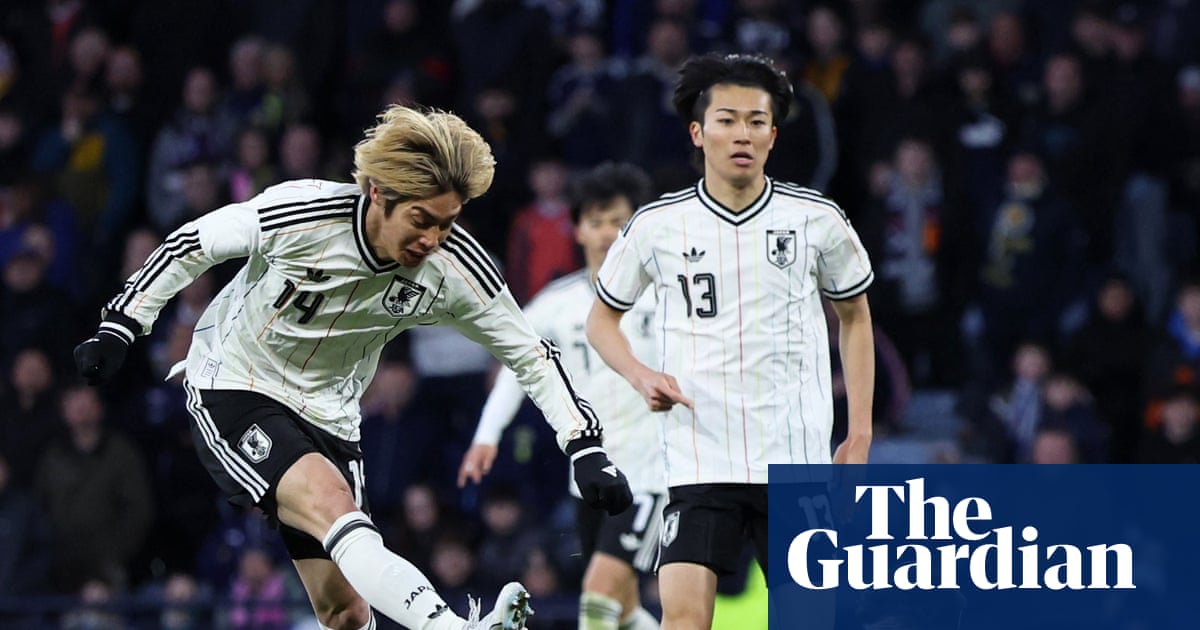
Hampden Park in late March is usually a venue of cold winds and measured expectations. But when the full-time whistle confirmed Scotland's friendly defeat by Japan, the atmosphere shifted instantly. The national stadium was filled with the unmistakable sound of booing.
For a team preparing for a massive summer ahead of the 2026 World Cup, it was a jarring conclusion. Head coach Steve Clarke was quick to face the media, stating he takes positives from the performance. He also made a point to express his surprise and disappointment at the negative reaction from the stands.
You can understand the manager's frustration on a surface level. International friendlies are the only real opportunity coaches have to test alternative shapes and give minutes to fringe squad members. They are inherently disjointed affairs.
But football fans do not pay premium ticket prices to watch a controlled training session. The Tartan Army braved the Glasgow chill expecting a display of intent. Instead, they watched a Scotland side that looked chronically short of ideas against a sharp, well-drilled opponent.
Clarke's disappointment at the fans feels like a misread of the room. The Tartan Army has backed this regime to the hilt, following them across Europe and enduring plenty of heartbreaks. When they boo, it is rarely without reason. The frustration wasn't just about losing to Japan—it was about the passive, submissive manner of the defeat.
Where the Midfield Battle Was Lost
Tactically, the match highlighted the glaring limitations of Scotland's current midfield setup. Japan arrived with a clear plan to dominate the center of the pitch, and they executed it flawlessly. Their double pivot of Wataru Endo and Hidemasa Morita dictated the tempo from the first minute, pinging passes through the lines with ease.
Scotland, relying on their familiar block, found themselves chasing shadows for long stretches. The gap between Billy Gilmour and the forward press was massive. Every time John McGinn actually managed to win the ball, there were absolutely no immediate passing options available.
This isn't a new problem for Clarke. Against technically superior opposition, the midfield often drops too deep, creating a chasm that isolates the attacking players. Japan simply bypassed the Scottish press with quick, vertical passing that broke the lines repeatedly.
You could see the structural flaws in real-time. When Scotland tried to build from the back, the Japanese forwards initiated a highly coordinated pressing trap. The center-backs were forced into rushed, inaccurate long balls over the top. The possession numbers were heavily skewed, but the real issue was the catastrophic lack of quality touches in the middle third.
Taking positives from a game where you are totally outplayed in the engine room requires a healthy dose of optimism. The fans saw a team that lacked the basic technical security to play through a standard international press. That is precisely why they voiced their anger so loudly at full-time.
The Wing-Back Dilemma
A core pillar of the Steve Clarke era has been the reliance on dynamic wing-backs. In theory, the system allows Scotland to defend with five while attacking with four. Against Japan, it looked entirely broken.
The Japanese wingers, particularly Kaoru Mitoma, played aggressively high and wide, essentially pinning Andy Robertson deep into his own half. What was supposed to be a fluid 3-4-2-1 quickly devolved into a rigid, static 5-4-1.
This structural collapse meant Scotland had absolutely no width in transition. When the ball was turned over, Robertson and his opposite number were often 60 yards away from the opposition penalty area.
If Clarke is searching for positives, he might point to the defensive resilience shown in brief patches of the second half. But resilient defending is the absolute bare minimum expectation for an international side at home.
The modern international game demands rapid transitions. It demands overlapping runs and third-man combinations to break down organized defenses. Scotland produced none of that.
The boos at Hampden were a direct response to this tactical stagnation. It suggests a worrying lack of belief and a stubborn adherence to a conservative ideology that has passed its expiration date.
The Center-Back Build-Up Failure
We also have to talk about the distribution from the back three. Modern football requires center-backs who can break lines with their passing. Without Kieran Tierney driving out from the left side of the defense, Scotland's defenders treated the football like a live grenade every time Japan applied even a fraction of pressure.
Instead of drawing the Japanese press in and playing through it, the Scottish backline consistently opted for panicked clearances. This played right into the hands of a physically dominant Japanese defense, who simply hoovered up the loose balls and restarted the attack.
It is impossible to establish any attacking rhythm when your first pass out of defense is a 50-50 header in the center circle. Clarke has to find a way to instill calmness on the ball. If the current personnel cannot execute a modern build-up phase, the system itself has to change.
The refusal to adapt during the 90 minutes was perhaps the most maddening aspect of the friendly. While Japan tweaked their angles to exploit the half-spaces, Scotland stubbornly stuck to a failing blueprint. The crowd recognized the futility long before the manager did.
The Isolation of the Forwards
When you play a lone striker against a well-drilled international defense, that player needs support runners. Against Japan, Che Adams spent the evening acting as a lonely battering ram. The distances between Adams and the attacking midfielders were completely unmanageable.
Every time the ball was launched forward, the striker was surrounded by three Japanese defenders. There were no second balls won, no knock-downs collected, and absolutely no sustained pressure in the final third. It is impossible to score goals when your center forward is operating in a different postcode to the rest of the team.
Clarke has to figure out how to get bodies into the box. Whether that means sacrificing a defensive midfielder for an extra attacker, or instructing the wing-backs to invert and crash the penalty area, something has to give. You cannot expect to win international football matches by simply hoping for a set-piece miracle.
The lack of attacking patterns is a damning indictment of the coaching setup. After years in the job, Scotland should have three or four reliable attacking routines. Instead, the final third play looks entirely improvised, relying on individual brilliance rather than collective understanding.
Squad Rotation and Team News
As Scotland prepare for their next fixture, the team news will dictate the tactical setup. Clarke hinted at rotation before this international window, but the pressure to deliver a result might force his hand into naming a full-strength side. The midfield needs fresh legs.
Scott McTominay, who was relatively quiet against Japan, will likely be asked to operate in a more advanced role to bridge the gap to the striker. There are also questions at the back. If Tierney is unavailable to step back into the defensive line, Clarke has to find an alternative way to progress the ball.
You cannot rely on Grant Hanley or Jack Hendry to thread line-breaking passes through a high press. The medical staff's updates over the next 48 hours will be vital in shaping the starting XI.
The Road to the World Cup
The timing of this performance is what makes it so concerning. We are in late March 2026. The FIFA World Cup kickoff in North America is looming rapidly on the horizon, just a few short months away. The window for endless experimentation has firmly slammed shut.
Friendlies at this stage of the cycle are supposed to be dress rehearsals. They are about fine-tuning combinations, building momentum, and establishing a winning mentality. Instead, the defeat to Japan has injected a massive dose of anxiety into a fanbase that should be buzzing with anticipation.
Clarke has built enough credit to survive a bad run of form. He took Scotland out of the international wilderness and ended the qualification drought. But international management is a strictly results-oriented business, and public memory is notoriously fleeting. The manager simply cannot afford to be at war with the fanbase this close to a major tournament.
If he truly believes the performance against Japan contained positive building blocks, he needs to articulate exactly what those are. Because from the stands, it looked like a team rapidly regressing. The lack of attacking cohesion was startling for a team with genuine tournament ambitions.
Looking ahead to the upcoming fixtures, a tactical shift is absolutely mandatory. Scotland cannot go to the World Cup playing this brand of passive, reactive football against mid-tier opposition. They need to find a way to dictate the game, to hold a higher defensive line, and to actually support their isolated forwards.
Prediction: A Forced Evolution
The friction between Clarke and the Tartan Army is a massive warning sign. The manager's surprise at the boos indicates a worrying disconnect between the dugout and the terraces. Fans are not demanding prime Brazil; they are demanding intent and a clear tactical identity.
My prediction is that Clarke will be forced to abandon his most conservative instincts in the next match. The pressure is simply too high to roll out another low-block masterclass that ends with a single shot on target. Expect a much more aggressive midfield selection and a higher defensive line, even if it leaves them slightly vulnerable to the counter-attack.
If Scotland roll out the same lethargic shape next time out, the atmosphere will turn genuinely toxic. The fans have drawn their line in the sand. As BBC Sport reported, Clarke might be disappointed by the reception, but he has to take full responsibility for the product on the pitch. The tactical masterplan needs an urgent, radical update before the summer.
Read Next
- Why Steve Clarke is finally rolling the dice with Conway and Patterson
- Scotland fans are completely right to boo Steve Clarke's boring Japan defeat
- Tartan Army hits the panic button after Japan friendly loss
- Why Scotland's tedious Japan defeat should worry Steve Clarke
- 🇯🇵 Japan World Cup 2026 — Samurai Blue Hub
- 🏴 Scotland World Cup 2026 — Tartan Army Hub
- 🇧🇷 WC 2026 Group C — Brazil, Morocco, Scotland, Haiti