Why Steve Clarke is finally rolling the dice with Conway and Patterson
A necessary gamble
International friendlies in late March are usually exercises in hazard avoidance. Managers want to test a few fringe players, run through a slightly tweaked corner routine, and pray their star men return to their clubs with hamstrings intact. Steve Clarke, historically, is not a manager who treats these games as laboratories for radical experimentation.
But the starting XI for Scotland against Japan signals a subtle, yet undeniable, shift in intent. As confirmed by Sky Sports' live coverage, throwing Nathan Patterson and Tommy Conway into the mix from the first whistle is a major tactical departure. It suggests Clarke is actively looking for solutions to the attacking stagnation that has repeatedly stalled his tenure.
Scotland have built their recent relative success on a foundation of defensive solidity and moments of chaotic brilliance from midfield. The system relies heavily on the wing-backs providing the width, while the lone striker serves as a battering ram to create space for runners. Against a technically superior side like Japan, that familiar blueprint was always going to look a little ragged.
The Patterson variable on the right
This is where Patterson enters the equation. The Everton man has endured a stop-start international career, frequently derailed by untimely injuries just as he seemed poised to nail down the spot. When fully fit, he offers a vertical thrust down the right flank that neither Aaron Hickey nor Anthony Ralston can replicate.
Hickey is the steady hand. He tucks inside, helps circulate possession, and rarely gets caught out of position. Patterson is a completely different profile. He wants to hit the byline, he wants to take his man on, and he wants to deliver early crosses into the danger area.
Starting Patterson against this specific Japanese side is a fascinating choice. Hajime Moriyasu has built a team that thrives on wide overloads and rapid transitions. If Patterson bombs forward and turns over possession, the space he leaves behind is exactly where Japan want to operate.
We have seen this exact scenario play out before. When Scotland are drawn into expansive games against high-pressing opposition, the wing-backs get isolated high up the pitch. Patterson has the recovery pace to bail himself out occasionally, but relying on that against Kaoru Mitoma or Daizen Maeda is asking for serious trouble.
That is the glaring flaw in this setup. Clarke wants the attacking output Patterson provides, but he rarely adjusts the midfield shape to cover the inevitable gaps. If Billy Gilmour or Callum McGregor do not slide across to shut down the passing lanes, Japan will exploit that right channel relentlessly.
It is a recurring issue that Clarke has never quite resolved. You cannot ask your wing-back to play as a conventional winger in possession while simultaneously expecting a watertight back five out of possession. The geometry simply does not work.
Yet, you can see why Clarke feels forced to try it. Scotland desperately need to score goals from open play. The over-reliance on Scott McTominay arriving late in the box is not a sustainable long-term strategy. They need a genuine threat from the wide areas, and Patterson’s delivery remains among the best in the squad.
Conway changes the geometry of the attack
The inclusion of Tommy Conway is perhaps even more intriguing than Patterson's return. The striker position has been a persistent headache for Scotland over the last four years. Lyndon Dykes offers unparalleled aerial presence and work rate, but he will rarely stretch a defense by running in behind.
Che Adams is a fantastic link-up player who drops deep to connect with the midfield, but he often vacates the penalty area exactly when a cross is being delivered. Conway presents a third option. He plays directly on the shoulder of the last defender.
He is a darting, persistent nuisance who makes the kind of runs that force center-backs to turn and face their own goal. That fundamentally changes how Scotland can build their attacks. With Conway up top, the long, raking diagonals from Kieran Tierney or Jack Hendry suddenly have a dynamic, moving target.
If you watch Conway at club level, his movement is incredibly sharp. He does not just run straight lines. He curves his runs to stay onside and exploit the blind spots between the center-back and the full-back. Against a Japanese defense that pushes high up the pitch, that raw pace is a genuine weapon.
However, playing Conway also requires a significant shift in how the midfield operates. When Dykes is playing, Scotland can hit hopeful long balls and trust him to win the first contact. Conway will almost certainly lose those physical aerial duels against established international center-backs.
The ball has to be played into the channels, or slipped through on the ground. That puts immense pressure on Gilmour and John McGinn to find those precise through balls under heavy pressure. If the midfield fails to find his runs, Conway risks becoming entirely anonymous for ninety minutes.
Japan's suffocating wide overloads
Testing this new dynamic against Japan is trial by fire. Moriyasu’s team are arguably one of the most cohesive pressing units in international football. They do not just press the ball. They press the passing lanes and squeeze the pitch horizontally.
They set traps in the central areas, baiting opponents into playing passes that look safe but are actually heavily contested. As soon as the ball enters that middle third, the Japanese midfield swarms. This is exactly where Scotland usually panic.
When pressed aggressively, Scotland have a bad habit of bypassing the midfield entirely. The center-backs look up, see no easy options, and smash the ball long. If they do that tonight with Conway up front, the ball will just come straight back at them.
This match will be largely decided by how well Gilmour handles the Japanese press. He is the only player in the Scottish midfield who consistently shows for the ball in tight spaces and has the technical ability to turn away from pressure. If he gets caught in possession, Japan will punish them instantly.
But if Gilmour can break that first line of the press, the space opens up dramatically. That is where Patterson bombing down the right, and Conway darting into the channels, suddenly looks like a masterstroke. It is a high-risk, high-reward strategy that Scotland rarely employ.
The midfield battleground
This brings us to the most vital sector of the pitch. Callum McGregor and Wataru Endō will likely spend the entire evening locked in a physical and mental chess match. Endō is the anchor for Moriyasu’s system, breaking up play and immediately looking for vertical passes.
McGregor has to match that intensity. If the Celtic captain allows Endō to dictate the rhythm of the game, Scotland will be starved of possession. He needs to drop deep, collect the ball from the center-backs, and turn rapidly before the Japanese press closes the net around him.
The problem is that McGregor often operates best when he has a mobile enforcer alongside him. Gilmour is technically brilliant, but he does not provide the sheer physical disruption that someone like McTominay offers in the deeper areas. This leaves the Scottish midfield looking technically sound but structurally vulnerable.
When Japan break the lines, they do it with terrifying speed. They commit bodies forward on the counter-attack, frequently creating four-on-three situations against retreating defenses. If McGregor gets bypassed in the initial phase of transition, the back three are completely exposed.
This is exactly why Patterson’s starting position is so risky. If he pushes high up the pitch and Scotland lose the ball, the right-sided center-back has to step out to cover the flank. That movement stretches the defensive line, creating massive gaps in the penalty area for Japan's late runners to attack.
The risk of the deep block
We must also address the defensive shape out of possession. When Scotland drop into their 5-4-1 low block, they can become unacceptably passive. They allow the opposition center-backs to carry the ball to the halfway line without facing a single tackle.
Against a team with the technical quality of Japan, sitting deep and hoping for the best is suicidal. Japan have the intricate passing ability to pick locks around the edge of the penalty area. If Scotland just sit on the edge of their own box, they will eventually concede.
Look closely at how Japan construct their attacks down the left side. They often use a hybrid system where the left winger stays incredibly wide, hugging the touchline. This forces the opposition wing-back out of the defensive block to engage.
Once Patterson steps out to engage that winger, Japan trigger the trap. An attacking midfielder immediately makes a darting run into the half-space between Patterson and his right-sided center-back. It is a choreographed, devastating movement that requires perfect defensive communication to stop.
If Patterson is a split-second late in recognizing the run, or if the center-back does not slide across instantly, Japan are through on goal. Scotland have historically struggled with exactly this type of fluid, rotational movement in the final third.
The broader context
This friendly is about gathering hard data for the competitive fixtures ahead. The World Cup kickoff on June 11 is approaching rapidly, and Clarke knows he cannot rely entirely on the old guard to grind out results.
He needs fresh options from the bench. He needs tactical flexibility. If Scotland find themselves chasing a game in a vital qualifier or tournament match, bringing on Patterson and Conway changes the picture entirely. It forces the opposition to adjust their defensive line.
For too long, Scotland have been highly predictable. Teams know that if they stop the wing-backs and crowd McTominay out of the box, they cut off the main supply lines. Introducing a striker who actively runs in behind disrupts that comfortable defensive game plan.
There will undoubtedly be teething problems tonight. Patterson will likely be caught out of position at least once. Conway might make three brilliant runs that the midfield completely ignores. That is the frustrating reality of integrating new attacking profiles into a settled, rigid system.
Steve Clarke’s in-game adjustments will also be under the microscope. He has a well-documented habit of making substitutions far too late. When a tactical plan is failing, he prefers to wait until the 75th minute before shuffling the deck.
Against a side as ruthless as Japan, waiting that long is fatal. If Patterson is getting exposed, or if Conway is completely isolated, Clarke needs to recognize it and react immediately. He cannot just cross his fingers and hope the storm passes.
The focus will rightly be on how Conway handles the physicality of international football, and whether Patterson can maintain his defensive discipline. But the real story is the subtle shift in Scotland's tactical identity. They are trying to become a team that asks different types of questions.
If Clarke abandons this experiment at the first sign of trouble, we will know it was just a fleeting gamble. But if he persists, even through the inevitable mistakes, it signals a genuine evolution in his thinking. Scotland simply cannot afford to stand still.
Read Next
- Steve Clarke's tactical masterclass that dragged Scotland to the World Cup
- Life after Salah starts today as Liverpool face Newcastle United
- Tottenham and Leeds are proving why rigid tactics ruin good attackers
- Man City's derby demolition exposes United's tactical ceiling
- 🇯🇵 Japan World Cup 2026 — Samurai Blue Hub
- 🏴 Scotland World Cup 2026 — Tartan Army Hub
- 🇧🇷 WC 2026 Group C — Brazil, Morocco, Scotland, Haiti
PUMA Orbita 6 PL Thrill MS Soccer Ball
A budget-friendly piece of the Premier League.
Frequently Asked Questions
Why is Steve Clarke changing Scotland's tactics against Japan?
What does Nathan Patterson bring to the Scotland team?
Who are the key players starting for Scotland against Japan?
How does Japan's playing style threaten Scotland's new setup?
Why is starting Nathan Patterson considered a risk for Scotland?
More Coverage

Nice saved their season, but 2026 demands a complete tactical reboot
an hour ago
Michael Skubala takes the hot seat at Ashton Gate
5 hours ago
World Sevens brings high-octane chaos before the World Cup fever hits
5 hours ago
Why Manchester United’s pursuit of Ederson makes tactical sense
13 hours ago
Arsenal must reconcile their tactical past with this final hurdle
15 hours ago
Manchester United are sleepwalking into another summer of uncertainty
17 hours agoMore Analysis
Japan expose the glaring tactical flaws Steve Clarke refuses to fix
2 months ago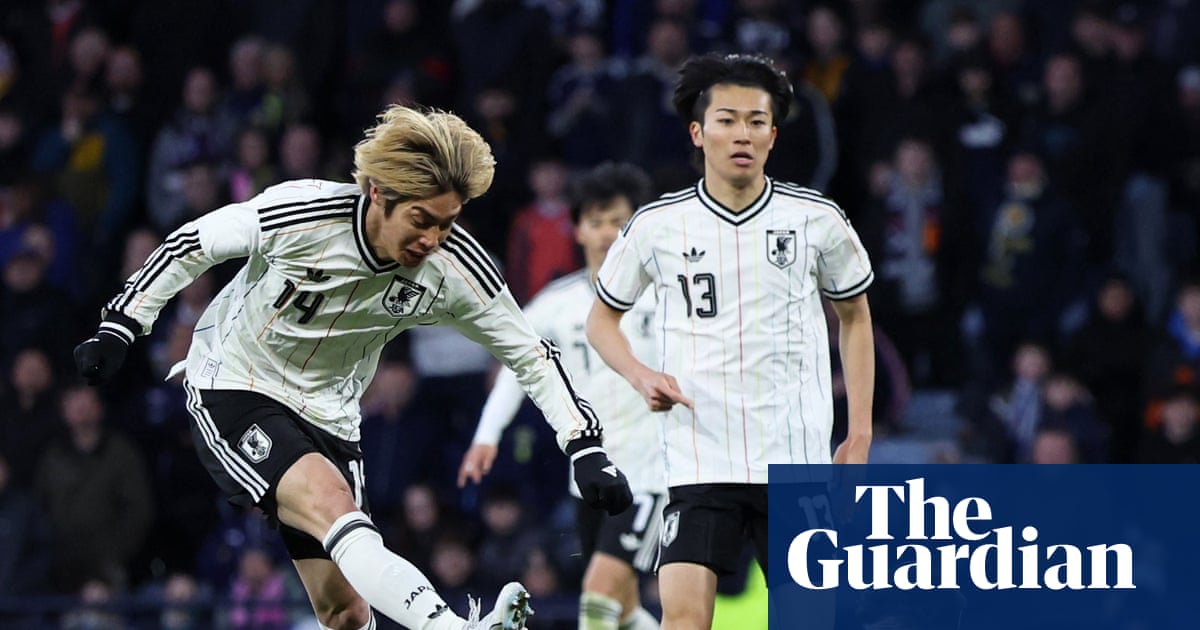
Why Scotland's tedious Japan defeat should worry Steve Clarke
2 months ago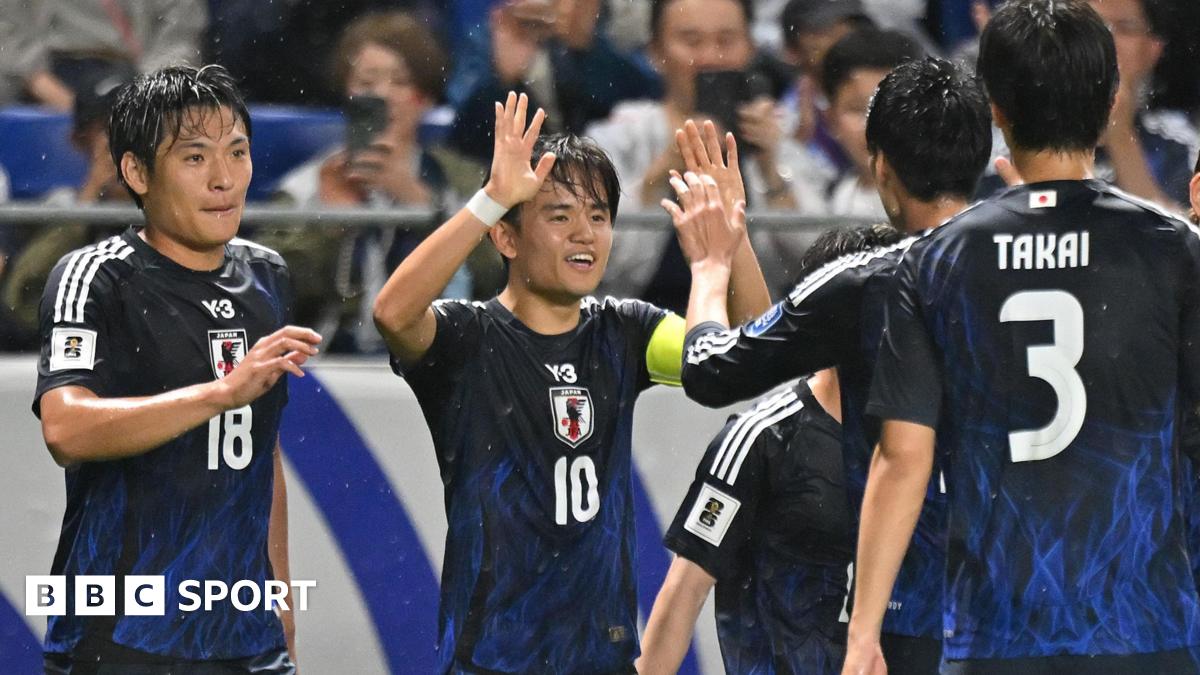
Scotland's grim reality check against a swaggering Japan
2 months ago
Steve Clarke is surprised by the Hampden boos. He shouldn't be.
2 months ago
Steve Clarke just lost the Tartan Army and his sacking is inevitable
1 month, 4 weeks ago