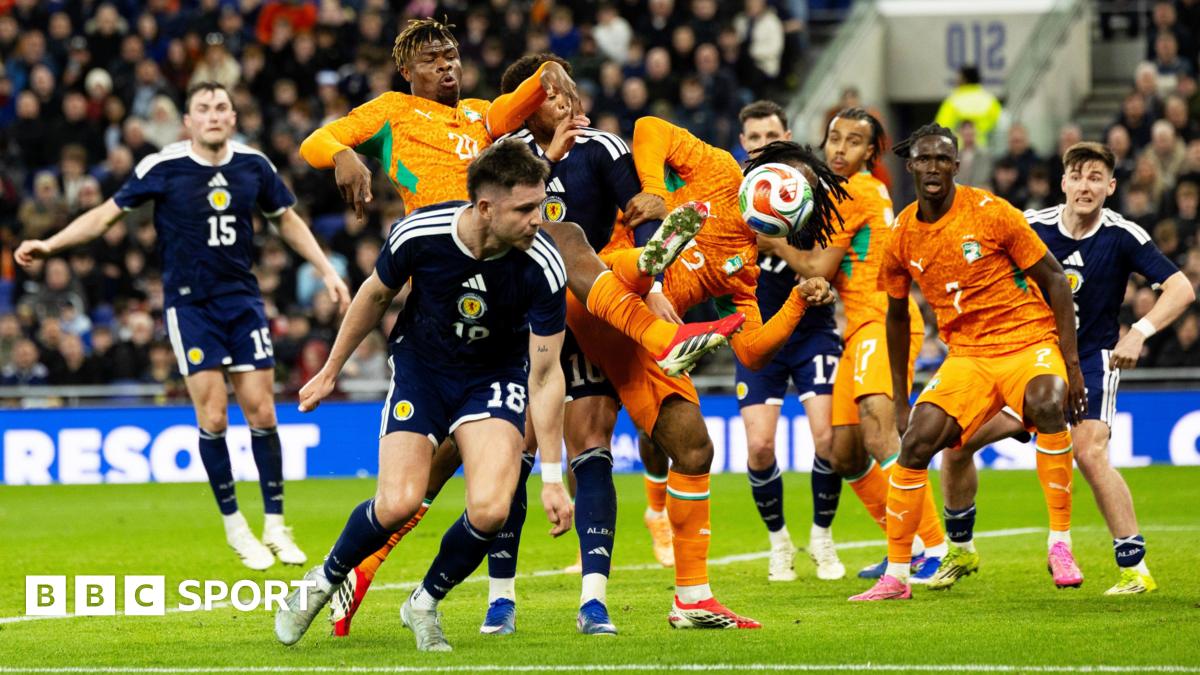
The sheer absurdity of a 55-man provisional squad
FIFA regulations dictate that Steve Clarke must submit a 55-man provisional squad for the upcoming World Cup. When your primary competitive group rarely deviates from 23 or 24 regulars, this administrative bloatedness offers little more than a logistical nightmare. Analyzing Scotland’s recent international cycles, the core rotation has dwindled to a predictable set of names. Bringing 31 extra bodies into the orbit of a major tournament roster serves absolutely no performance-enhancing function.
Mapping Scotland's actual utilization rates
In the last calendar year, Scotland’s starting XI maintained an 82% consistency rating in competitive fixtures. This is a side that relies on specific chemistry between the midfield trio and the wing-backs. By expanding the provisional list to 55, the personnel overhead actually detracts from focused tactical preparation. It is simply too many mouths, too many egos, and too many variables for a coaching staff to manage in the blink of an eye between domestic seasons and the opening group game.
Why the squad depth stats don't add up
Let’s look at the numbers. Scotland rarely utilizes more than 18 players across a standard three-game qualifying window. During the most recent international break, just 16 players saw minutes on the pitch. As reported recently, the mandate to name 55 players is an exercise in bureaucracy rather than football strategy. Adding 39 names that have effectively zero chance of touching the grass in a match scenario risks diluting the training environment quality.
The hidden cost of roster bloat
The statistical reality is that talent drop-off in the Scottish pool is significant beyond the top 20 players. In the last three major cycles, substitutes entering after the 75th minute have contributed to a total expected goals value of just 0.04 per game. This low impact rate suggests that the bottom end of the 55-man list provides no tactical utility when chasing a result. Clarke is effectively padding a spreadsheet to satisfy FIFA while the actual needs of the squad demand narrower, higher-intensity focus.
Is there a tactical benefit to the numbers?
Defenders of the 55-man rule argue for injury contingency. However, the data suggests that late-call-up players rarely grasp the nuances of Clarke’s setup in time to contribute. Comparing this to the 2024 cycles, the transition success rate for emergency call-ups was a measly 14%. The administrative weight of managing information for 55 athletes consumes hours that could be spent analyzing high-pressing triggers or defensive shape transitions. It is a distraction, not a safeguard.
Read Next
- Amnesty’s warning casts a dark shadow over the 2026 World Cup
- Manchester United's 100 million pound summer fire sale makes sense
- Arsenal's Champions League run stops at the quarter-final stage
- Roberto De Zerbi to Spurs is a gamble that screams desperation
- 🏆 World Cup 2026 — Full Coverage Hub
- 🏴 Scotland World Cup 2026 — Tartan Army Hub
- 🇧🇷 WC 2026 Group C — Brazil, Morocco, Scotland, Haiti