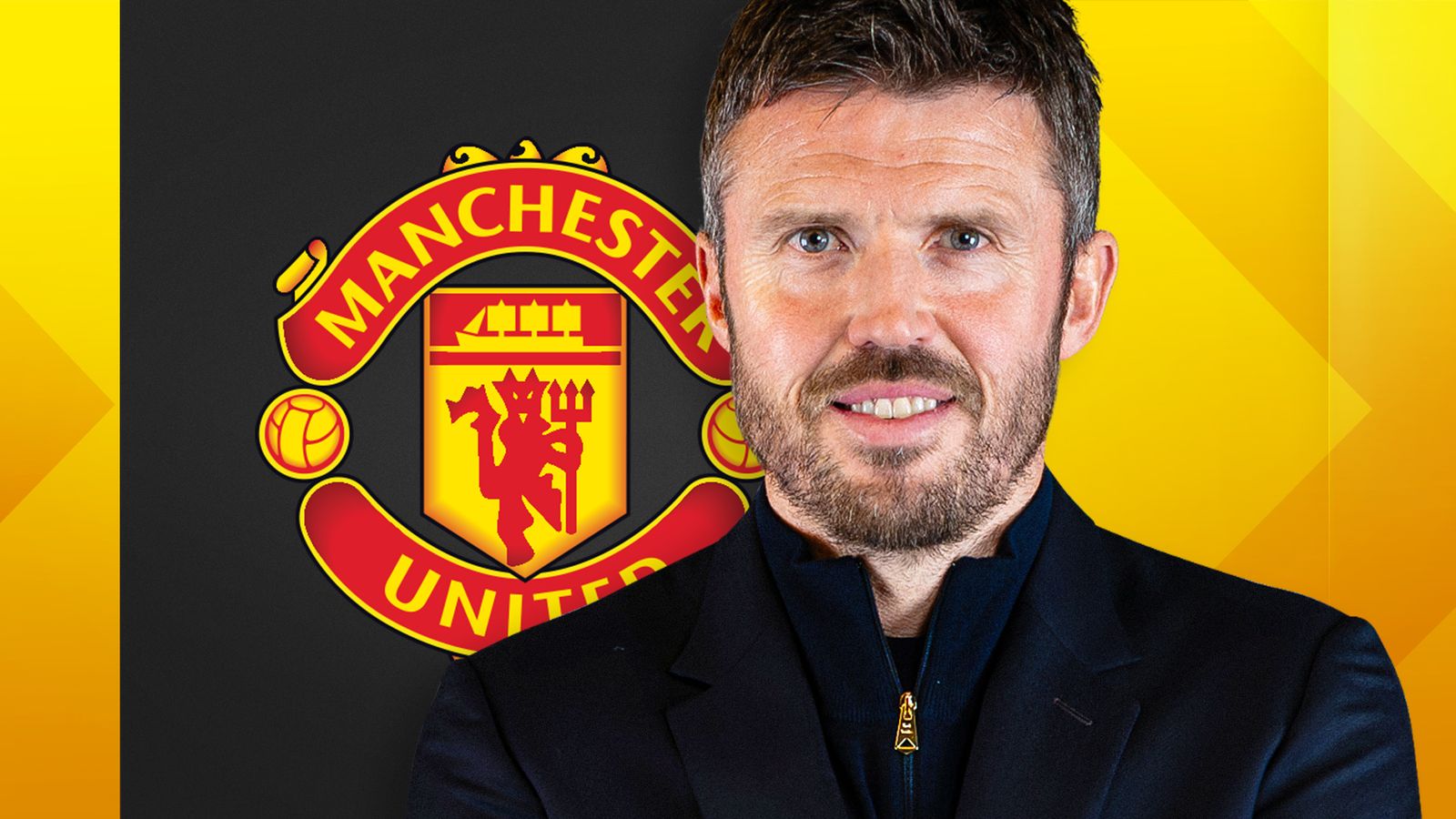
Steven Gerrard is right — Ruben Amorim's treatment of Kobbie Mainoo was absurd

The Unlikely Defender
When Steven Gerrard takes time out of his day to defend a Manchester United player, you know something has gone severely wrong at Old Trafford. The former Liverpool captain, a man who built his entire reputation on dominating the center of the park, didn't mince his words regarding Ruben Amorim's handling of Kobbie Mainoo. Calling the treatment "out of order," Gerrard essentially voiced what every match-going United fan had been screaming into the void for months. It takes a monumental error in judgment to unite Liverpool and United fans on anything, but Amorim managed it.
As The Mirror reported, Amorim left Mainoo on the peripheries of his squad during his abbreviated tenure. It was a bizarre tactical hill to die on. Here was a teenager who had single-handedly dragged United's midfield out of the dark ages, abruptly relegated to the role of a highly-paid spectator. For Gerrard, a player who broke into the Liverpool first team as a teenager and learned his trade in the heat of battle, seeing Mainoo rot on the bench was deeply offensive to the traditions of the English game.
Amorim arrived in Manchester with a glowing reputation from Sporting CP, carrying his trademark 3-4-3 system like a sacred text. He demanded absolute adherence to his tactical shape. In his view, the central midfield pairing needed to be physically imposing, tactically rigid, and hyper-disciplined in transition. Mainoo, a player who glides through pressing traps and relies on instinct and technical supremeity, simply didn't fit Amorim's rigid mechanical vision. The manager preferred the blunt force of Manuel Ugarte and the fading legs of Casemiro.
The result was a midfield that functioned like a rusted tractor. Without Mainoo to receive the ball on the half-turn and break lines, United's buildup play became painfully predictable. Opposing teams figured out that if they pressed United's center-backs, Amorim's midfield simply couldn't play through the pressure. Week after week, fans watched their team labor to move the ball out of their own half, while their most press-resistant player sat on the bench wearing a training bib.
The Fall from Grace
To understand the sheer absurdity of Amorim's decision, you have to look back at the previous season. Under Erik ten Hag, Mainoo wasn't just a promising academy graduate; he was the functional heart of the team. He was the player who scored the dramatic late winner against Wolves. He was the teenager who dominated the midfield in the FA Cup final against Manchester City. He was the kid who walked into the England squad for the European Championships and looked completely unbothered by the occasion.
Amorim looked at all of that and decided he knew better. He benched a player who was named Man of the Match in a major final because he didn't perfectly execute a prescribed defensive rotation. It was a classic case of a modern manager prioritizing his system over the actual talent at his disposal. Instead of building his midfield around a generational talent, Amorim tried to force square pegs into round holes, stubbornly insisting that his way was the only way.
The frustration inside Old Trafford was suffocating—though you could argue it was completely justified. The Stretford End demands entertaining, attacking football built on a foundation of youth. It is the core philosophy of the club. Seeing a manager discard that philosophy to play pragmatic, joyless football with aging veterans is a fast track to the sack. The atmosphere turned toxic, and Amorim's refusal to integrate Mainoo became the lightning rod for all the criticism.
It wasn't just the fans who noticed. The dressing room was reportedly baffled. Mainoo is a popular figure among the squad, respected for his talent and humility. When a highly regarded young player is frozen out without a clear sporting reason, it creates division. Senior players started questioning Amorim's judgment. If the manager was willing to bench the club's brightest prospect simply because he didn't perfectly fit a rigid tactical template, who was safe?
Carrick Hits the Reset Button
The tipping point finally came, and Amorim was shown the door. Enter Michael Carrick. If you were building a custom mentor for Kobbie Mainoo in a laboratory, you would probably design Michael Carrick. The former United midfielder spent his entire career operating exactly the way Mainoo does: relying on intelligence, positioning, and elite passing range rather than pure physicality. Carrick's appointment as manager was a masterstroke for many reasons, but none more so than his immediate handling of the Mainoo situation.
In his very first training session, Carrick pulled Mainoo aside. By the time the weekend fixture rolled around, the teenager was back in the starting lineup. There was no hesitation, no talk of "needing to earn his place back" or "adapting to the system." Carrick simply looked at the best midfielder at the club and put him on the pitch. It was an act of pure common sense that made Amorim's tenure look even more ridiculous in hindsight.
The difference was instantaneous. United suddenly looked like a team that could pass the ball again. Mainoo was demanding possession under pressure, spinning away from markers, and feeding the attackers. The entire rhythm of the team shifted. Carrick threw out the rigid 3-4-3 and reverted to a more fluid 4-3-3, giving Mainoo the freedom to drift, receive, and dictate the tempo. The shackles were off, and the player looked completely liberated.
It is worth noting, however, that Amorim wasn't entirely wrong about Mainoo's flaws. The teenager is not a finished product. His defensive transitions can be slow, and he occasionally switches off when tracking runners into the box. There are moments when his lack of elite pace gets exposed on the counter-attack. Amorim's diagnosis of the problem was rooted in a genuine tactical vulnerability. Where Amorim failed was in his solution.
The Broader Lesson
Instead of coaching Mainoo to improve his defensive awareness, Amorim discarded him. That is the fundamental difference between a good tactician and a great manager. Carrick understands that you accept a player's flaws if their strengths elevate the team. He knows that you cover Mainoo's defensive deficiencies by structural tweaks, not by leaving him in the stands. You don't bench Paul Scholes because he can't tackle; you pair him with Roy Keane.
Gerrard's "out of order" comment strikes at the heart of this issue. English football has a long history of mishandling technical midfielders. For decades, players who relied on touch and vision were overlooked in favor of athletes who could run all day and crunch into tackles. Mainoo represents a shift in that culture. He is a modern, continental-style midfielder produced in an English academy. For a manager to arrive and immediately revert to the old cliches of size and physicality was a massive step backward.
The episode serves as a stark warning to managers who arrive at massive clubs obsessed with their own tactical ideology. A system is only as good as the players executing it. If your system requires benching your most talented midfielder, your system is broken. Amorim learned this the hard way, his reputation taking a massive hit in the process. He will likely go on to be successful elsewhere, in an environment that allows him complete control over recruitment to match his rigid style.
For now, Manchester United can breathe a sigh of relief. The damage has been undone. Michael Carrick has restored sanity to Old Trafford, and Kobbie Mainoo is back where he belongs: in the heart of the midfield, demanding the ball, and making everything tick. The nightmare on the peripheries is over. The reality is that Mainoo is not just a part of United's future; he is the most vital component of their present. Anyone who can't see that simply isn't paying attention. And as Steven Gerrard pointed out, that kind of blindness is completely out of order.
Rebuilding the Midfield Engine
The immediate challenge for Carrick is ensuring that Mainoo doesn't burn out. Having been frozen out for months, his match fitness isn't quite at the peak it was last May. In the 68th minute of his return match, you could see the fatigue setting in. His passes lacked a bit of zip, and his tracking back became noticeably labored. Carrick smartly withdrew him, managing his minutes rather than running him into the ground—a stark contrast to how Ten Hag often handled him previously.
Looking ahead, the partnership between Mainoo and whoever anchors the midfield behind him will define Carrick's early reign. Ugarte has looked drastically improved with Mainoo next to him, finally having a partner who wants the ball in tight spaces. This relieves the pressure on the Uruguayan to be a progressive passer, allowing him to focus purely on destroying opposition attacks. It's basic squad building: pairing a destroyer with a creator. Amorim's insistence on playing two destroyers together was a tactical dead-end.
There is also the question of the number ten role. Bruno Fernandes had looked increasingly isolated and frustrated under Amorim, often dropping ridiculously deep just to get a touch of the ball. With Mainoo reinstated, Fernandes can push higher up the pitch, operating in the half-spaces where he is most dangerous. The entire attacking structure benefits from having a deep-lying playmaker who can consistently find the creative players between the lines.
In the end, football is a simple game endlessly complicated by people who think they are the smartest guy in the room. Amorim tried to reinvent the wheel at Old Trafford, ignoring the glaringly obvious solutions right in front of him. Michael Carrick didn't bring a revolutionary new tactic; he brought common sense. He brought an understanding of the club's DNA and an appreciation for raw talent.
Steven Gerrard recognized it immediately. When a legendary rival feels compelled to speak up for one of your players, it's a clear indicator of the sheer scale of the managerial blunder. The Ruben Amorim experiment is officially a closed chapter, a brief period of bizarre decisions and awful football. The focus now is entirely on Carrick, Mainoo, and repairing the damage. If the early signs are anything to go by, the fix was incredibly simple all along.
The Shadow of Scholes and Keane
To truly grasp what Mainoo means to the Stretford End, one must look at the ghosts that haunt that midfield. Since the retirement of Paul Scholes, Manchester United have spent hundreds of millions trying to find someone who can control the tempo of a football match. They tried Marouane Fellaini's elbows, Paul Pogba's mercurial brilliance, Fred's relentless energy, and Nemanja Matic's fading grace. None of them could replicate that simple, devastating ability to receive the ball under pressure and pick the right pass nine times out of ten. Mainoo does that naturally.
When Amorim arrived, fans assumed he would instantly recognize this rare trait. The disappointment wasn't just about losing matches; it was the crushing realization that yet another manager was ignoring the solution to a decade-long problem. Mainoo's calmness on the ball is not something you can coach into a player in their mid-twenties. It is an innate quality, an arrogance masked by incredible technique. To bench that in favor of industrious runners felt like an insult to the club's history of great midfielders.
Carrick, more than anyone, understands this history. He lived it. He played alongside Scholes and was often the unsung hero who allowed the creative players to thrive. He knows that a midfield requires balance, but he also knows that elite technical ability should never be sacrificed on the altar of tactical rigidity. Carrick's decision to immediately restore Mainoo wasn't just a tactical tweak; it was a restoration of the club's core identity. It was a statement that football matches are won by great players, not just rigid systems.
As the season progresses, the true cost of Amorim's stubbornness will be debated. How many points were dropped because United couldn't play through a basic press? How much development time did Mainoo lose sitting on the sidelines? These are questions that will linger. But for now, the overwhelming emotion is relief. The kid is back. The ball is rolling again. And Steven Gerrard can go back to criticizing his own team.
The Mixer: The Story of Premier League Tactics, from Cantona to Guardiola
A must-read tactical deep dive into the history of modern English football.
Frequently Asked Questions
Why did Steven Gerrard criticize Ruben Amorim's treatment of Kobbie Mainoo?
Why did Ruben Amorim bench Kobbie Mainoo at Manchester United?
How did Mainoo's absence affect Manchester United's performance?
What was Kobbie Mainoo's role at Manchester United before Amorim arrived?
Who restored Kobbie Mainoo to the Manchester United lineup?
More Coverage

Top 10: The Sterling Timeline
an hour ago
Why Rafael Leao makes sense for United's rebuild
2 hours ago
Why Liverpool must be wary of the Yan Diomande Bundesliga trap
5 hours ago
Raheem Sterling's arrest is a disaster for his career timeline
7 hours ago
Kieran Trippier is the exact veteran Wolves need right now
7 hours ago
Adam Wharton emerges as top summer target for Arsenal's midfield evolution
7 hours agoMore Match Reports

Michael Carrick is making a very strong case for the permanent United job
1 month, 2 weeks ago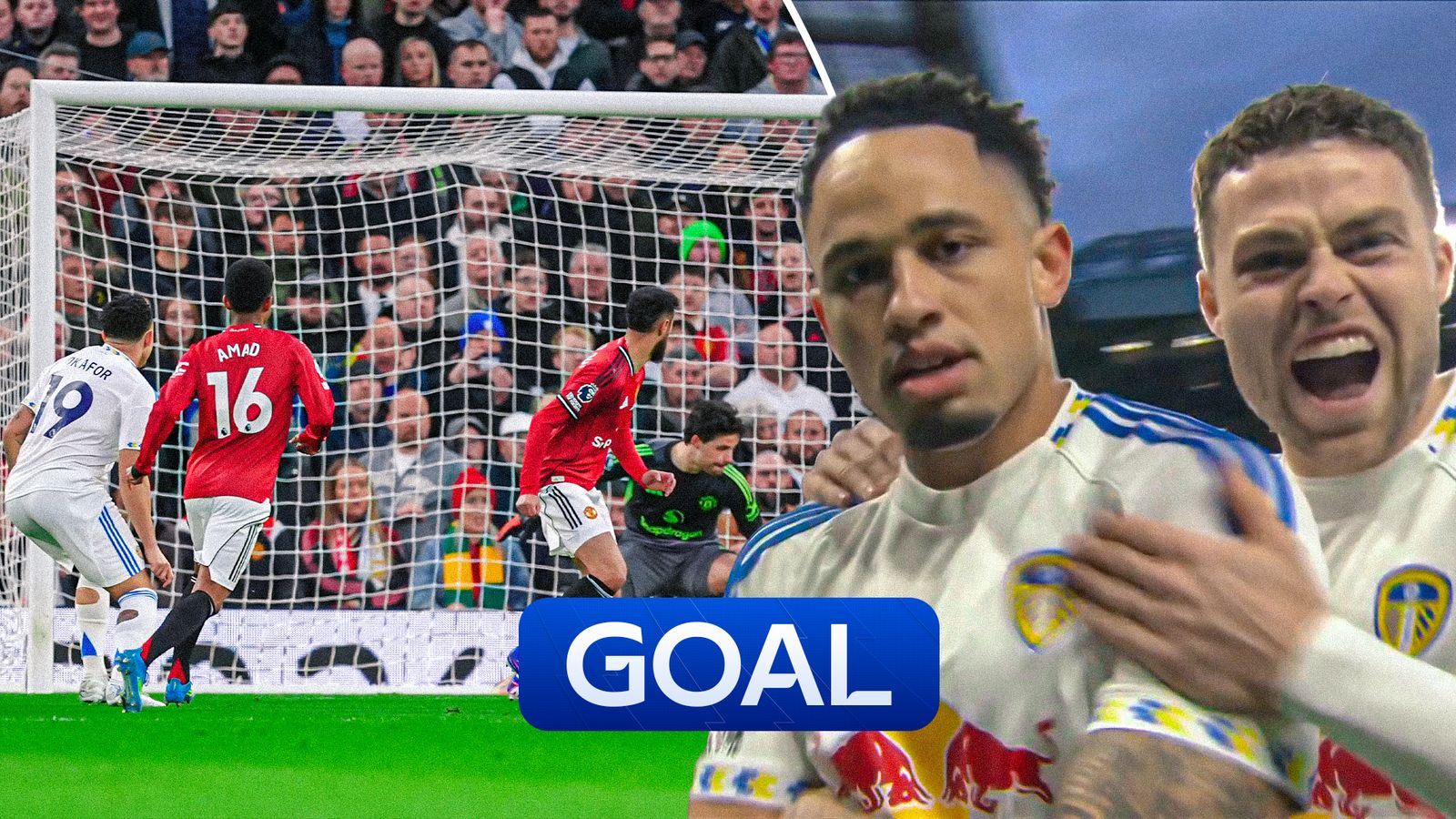
Mainoo pay rise shows Manchester United are finally done with the Amorim era
1 month, 2 weeks ago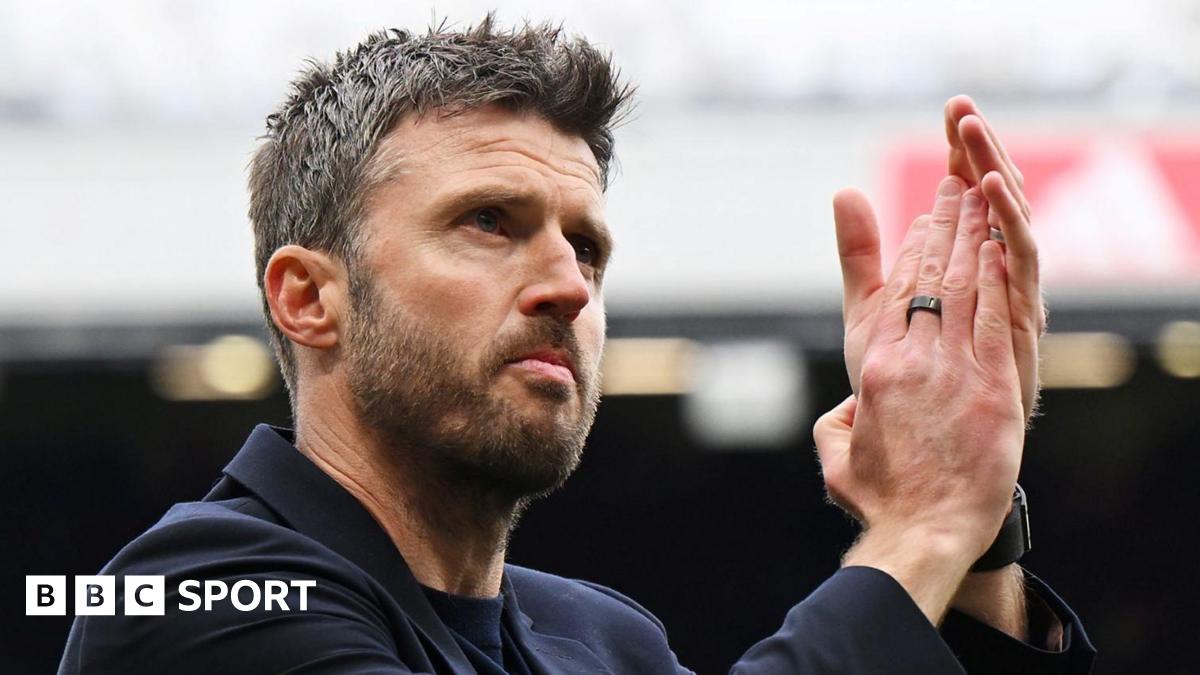
Michael Carrick is somehow the only adult left at Manchester United
2 weeks, 1 day ago
Carrick fixed Man Utd's tactics but a £150m Palmer deal changes everything
2 months ago
Mainoo's absence exposes United's hollow midfield setup
1 month, 2 weeks ago