Fifa’s latest pitch-side experiment
The 2026 World Cup has arrived with a predictable explosion of sensory overload. Yet, beneath the banners and the wall-to-wall coverage, a quiet technical shift is altering the broadcast experience. The introduction of refcam equipment, strapped to the chests of match officials, aims to pull the viewer into the chaotic orbit of high-stakes officiating.
Initial footage from the opening fixtures provides a visceral look at the speed of the modern game. When a striker breaks the line, we are no longer watching from a high-angled gantry sixty meters away. We are seeing the blur of movement as the referee tracks the run in real-time, struggling to maintain the correct angle. It creates a proximity that highlights how difficult the job actually is under elite match conditions.
The data-driven reality of on-field officiating
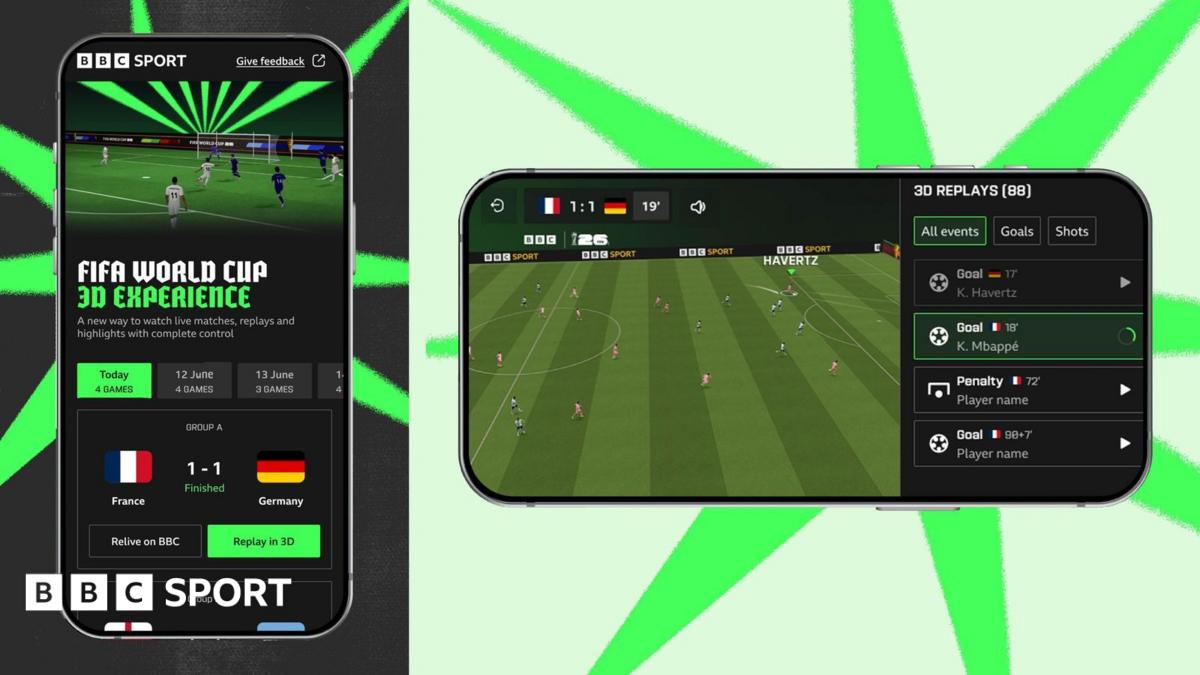
As The Guardian reported, the primary focus during the early stages has been utilizing these angles for goal replays. The benefit is clear: it offers a clean, unobstructed view of the strike that standard broadcast cameras often miss due to crowd density or stadium architecture. It adds a layer of depth that clarifies why a specific angle was chosen by the VAR team.
However, the experiment suffers from a lack of stabilization. The motion sickness induced by 90 minutes of constant player movement is a genuine hurdle for broadcasters. We are forced to digest erratic frame shifts as the referee sprints to keep pace with a counter-attack. It is a raw, unpolished angle that feels more like a first-person shooter game than a curated television experience.
Is this an over-correction?
Fifa faces a recurring issue of trying to solve problems that did not dominate the fan discourse. We did not clamor for a view of the goal from the referee's shirt buttons. While the footage is novel, it risks distracting from the fluid, rhythmic beauty of the play itself.
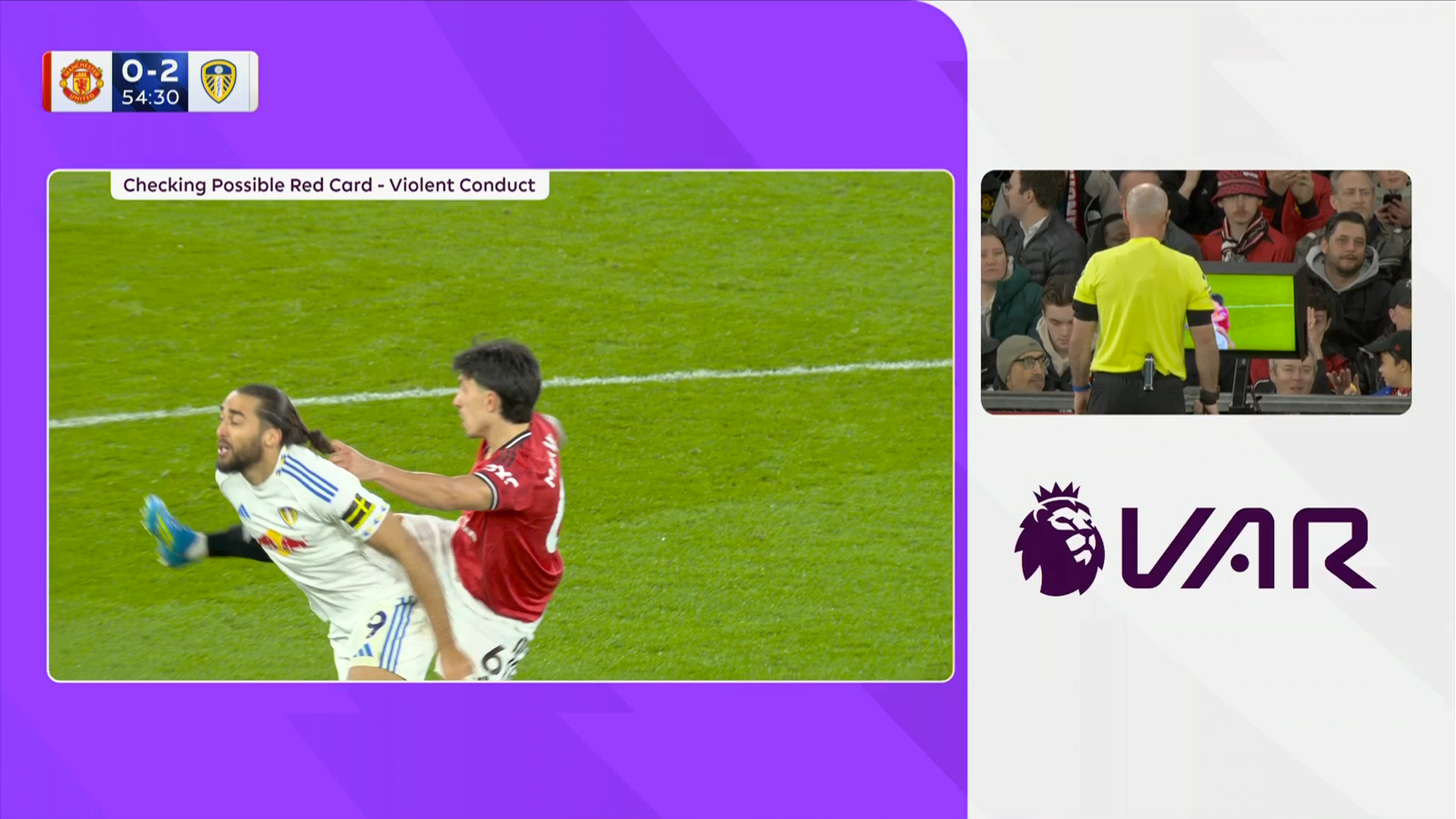
There is also the matter of the VAR interface. If the referee's POV becomes a primary tool for reviewing offside or penalty calls, it introduces a subjective bias based on their physical positioning. A referee who is poorly positioned will produce a poor, misleading angle. This isn't just a technical novelty; it changes the perception of authority at 34 minutes into a match when a contentious decision is made.
Despite the flaws, the gate-access feel remains compelling. Watching a central defender organize his line from the eyes of the man in the middle provides a classroom experience for tactical nerds. You see the gaps opened by poor marking and the missed pressing triggers as they happen, rather than waiting for an analyst to draw lines on your screen.
My prediction for the remainder of the group stage is that network directors will dial back the usage. The novelty will wear off the moment a crucial decision is botched solely because the refcam lacked the resolution or depth perception of the standard 4K sideline units. Expect limited highlights, zero full-match POV options, and a quiet shift back to the tried-and-true broadcast standards we already possess.
Read Next