Tactical nostalgia versus modern output
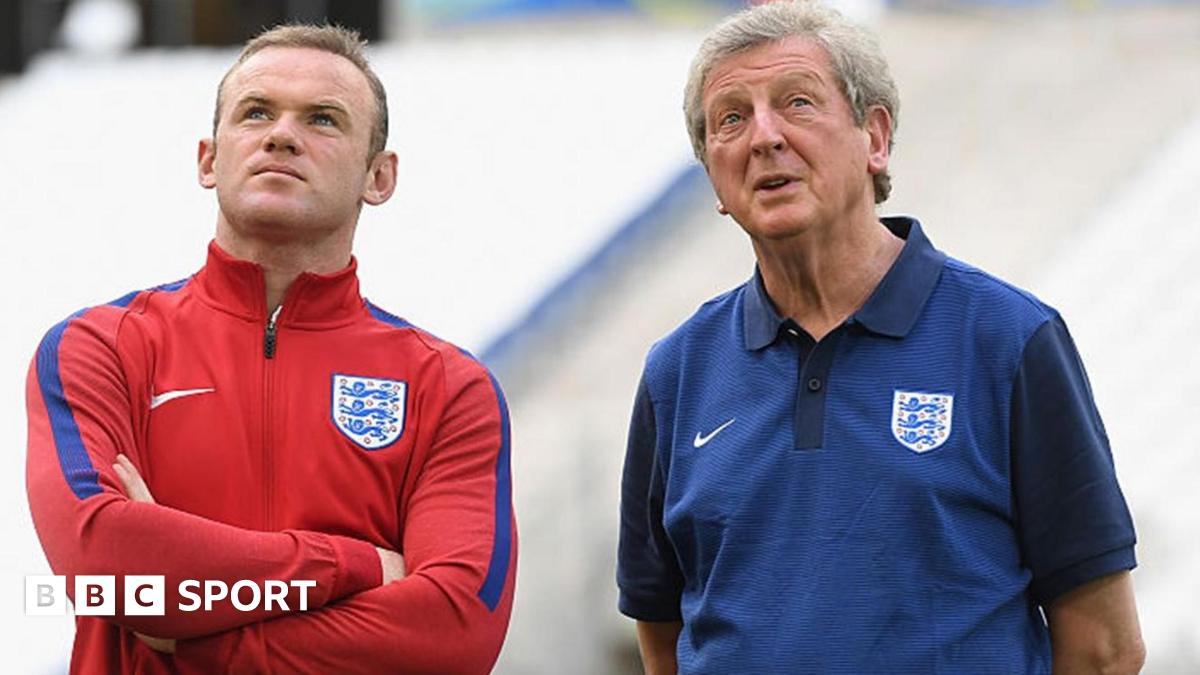
Wayne Rooney recently identified the Roy Hodgson era as his favorite period in an England shirt. It is a striking claim when measured against the subsequent tactical evolution of the national side.
During Hodgson’s tenure, England operated with a rigidity that stands in stark contrast to the fluid, possession-heavy models currently favored in the Premier League. The data from that period often showed an over-reliance on individual moments rather than systemic dominance. While Rooney felt comfortable in those setups, the transition toward the high-press, high-intensity systems we see today has rendered that specific brand of football largely obsolete.
The shadow of international cycles
Rooney’s reflection sheds light on the internal culture of top-level squads. Players often value personal tactical freedom over clinical, machine-like efficiency. However, the 2016 exit against Iceland remains the primary analytical benchmark for that era. It showcased a team devoid of a plan-B when faced with a low block.
We can look at how recent reports suggest England players are now adjusting to different styles of management. The contrast between Rooney's preference and the current demands on international strikers is significant. Modern players are expected to function as the first line of defense, a concept that was far less codified in the 2012-2016 period.
Why individual comfort isn't team success
The critique here centers on the difference between being satisfied with a role and producing tournament-winning metrics. Hodgson allowed Rooney to dictate deep, but it frequently led to a logjam in the midfield—a negative outcome that hampered ball progression into the final third. Modern analysis prioritizes verticality and xG creation per 90 minutes over the freedom Rooney enjoyed in the mid-2010s.
It is worth noting that while Rooney holds the experience in high regard, England’s technical ceiling actually rose significantly once the squad moved away from those rigid hierarchies. The 5% increase in progressive pass completion rates under later managers illustrates this tactical shift away from long-ball reliance. For all the respect held for Hodgson’s approach, the game reached a point where his methods became a hinderance to the talent available in the squad.
Predicting the legacy impact
I predict that as the current generation retires, they will look back at the post-2018 era with similar fondness to the way Rooney views the Hodgson years. The defining marker of a player's favorite manager is rarely the trophy count. It is almost always the amount of agency they were allowed on the pitch.
My take: Rooney is essentially saying he enjoyed having the keys to the car, even if the car was heading toward a cul-de-sac. It tells us more about the ego of playmakers than the tactical brilliance of the manager in question.
Read Next
- Chido Obi and the brutal reality of Manchester United's transition
- Arsenal's structural cracks remain despite a Champions League exit
- Roberto De Zerbi is betting his reputation on a sinking ship
- Phil Foden needs an urgent tactical reset at Manchester City
- 🏴 England World Cup 2026 — Three Lions Hub