It Feels Familiar, Doesn't It?
Here we go again. The World Cup is just one month away, and for England, the familiar rhythm is starting. The quiet optimism is building into a genuine belief. The names of the new generation are spoken with reverence, their club form dissected and extrapolated into tournament-winning glory. It’s a dangerous, intoxicating hope. And it feels exactly like 2006 all over again.
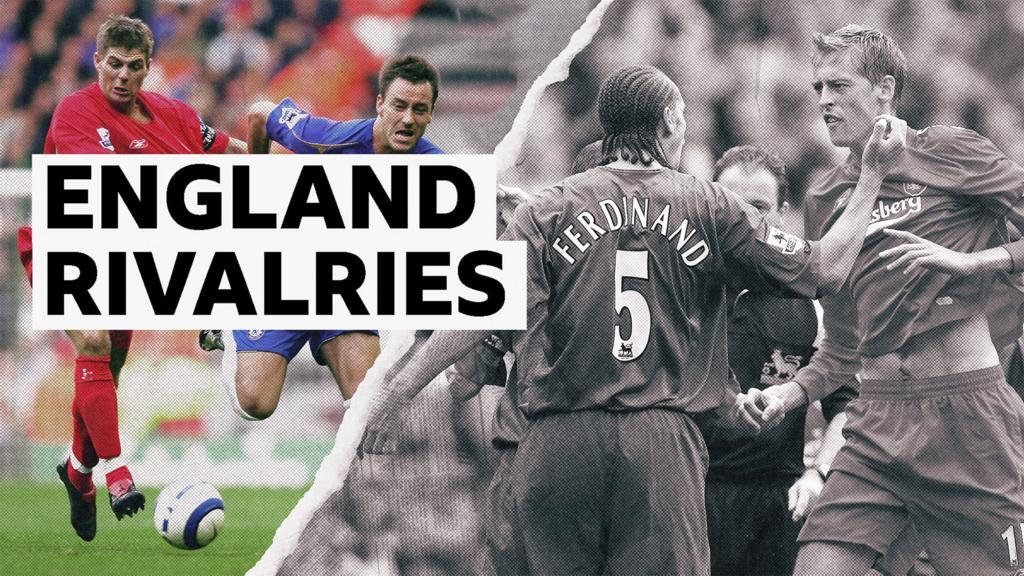
Twenty years have passed since the so-called “Golden Generation” went to Germany with a squad that looked like a fantasy football lineup. David Beckham, Steven Gerrard, Frank Lampard, a young and ferocious Wayne Rooney, Rio Ferdinand, John Terry. On paper, they were unstoppable. In reality, they were a tragedy in three acts, and the final curtain was a painful, predictable quarter-final exit on penalties.
The Unlearned Lesson of Baden-Baden
The story of the 2006 campaign is a cautionary tale. It’s a study in how immense talent can be squandered by a lack of cohesion, tactical naivety, and a complete failure to manage the environment. The base camp in Baden-Baden devolved into a media circus, a sideshow of celebrity culture that overshadowed the football itself. The focus wasn't on formations; it was on fashion.
Manager Sven-Göran Eriksson, a man of immense calm, seemed utterly unable to solve the central puzzle of his team. He possessed two of the greatest goal-scoring midfielders on the planet in Lampard and Gerrard, yet he could never make them click in the same system. His rigid 4-4-2 felt like a compromise that satisfied no one, a tactical straitjacket on a team of artists. England was less than the sum of its very expensive parts.
History's Heavy Shadow
Does any of this sound familiar? The debate about fitting an abundance of attacking talent into one coherent XI. The manager, often seen as pragmatic, being questioned for his perceived lack of tactical flexibility. The immense pressure that seems to weigh more heavily on English players than any other nation. We are here again, staring at a squad brimming with players who are dominating the best leagues in Europe.
The fundamental question is whether this generation is different. Have they learned the lessons of their predecessors? They certainly seem to carry themselves with a different kind of confidence, forged in the fires of Champions League finals and domestic title races. They are winners at club level. But international football is a different beast. It’s about tournament psychology, and England's psychological record is poor.
Look at Rooney's red card in that quarter-final against Portugal. The stamp on Ricardo Carvalho was born of pure frustration. It was the lashing out of a player, and a team, who knew they were falling short of their own potential. It was the moment the pressure became too much. That is the demon this current squad must conquer. Not just the opponent in front of them, but the ghost of their own history.
The One Critical Flaw
For all the talk of tactics and personnel, England's biggest weakness remains the narrative itself. The obsession with past failures, the constant invocation of 2006, 1998, or 1990, creates an atmosphere of impending doom. Every tournament becomes a trial, a chance to 'finally put the ghosts to rest'. This isn't a healthy way to approach a football match. It's a psychological burden that has crushed better teams than this one.
The job of the manager and his staff is therefore not just tactical, but psychological. They must insulate the players from this national anxiety, from the sense that they are not just playing a game, but carrying 60 years of hurt on their shoulders. If they can’t, the pattern will repeat.
Prediction: A Familiar Heartbreak
I want to be wrong. I truly do. But I've seen this film before. England will look dynamic and exciting in the group stage, brushing aside lesser opposition with ease. They will likely navigate the Round of 16 with a professional, solid performance that sends the hype machine into overdrive. Then will come the quarter-final, against the first truly elite opponent they face. The game will be tight. The attacking fluency will dry up, replaced by caution. The weight of the moment will become visible. It will finish 1-1 after extra time. And then come the penalties. The ghosts of 2006 will be waiting. And England will lose. Again.
Read Next
- Infantino is missing the point on World Cup prices
- AC Milan are crashing towards a bleak end-of-season reality
- Oliver Glasner steers Crystal Palace to historic European final
- This Week in Football: VAR chaos, Milan's collapse, and corn sweat (May 05–11)
- 🏆 World Cup 2026 — Full Coverage Hub
- 🏴 England World Cup 2026 — Three Lions Hub