The terminal stage of video review
I am officially out of patience. I really am. For years, I sat on the fence and played the rational guy when it came to video refereeing. I told people it would get better. I told people it would eliminate the obvious errors. I was an idiot.
We have reached the terminal stage of the disease. The Benjamin Sesko incident this weekend was the breaking point. If you missed it, congratulations on preserving your sanity. You probably enjoyed your weekend. You probably spent time with your family instead of screaming at a television screen showing a slow-motion replay of a man's bicep.
Sesko puts the ball in the net. It is a classic striker's finish. The crowd goes wild. The players do their little rehearsed corner flag routine. The stadium DJ hits the goal music. And then, the dread sets in.
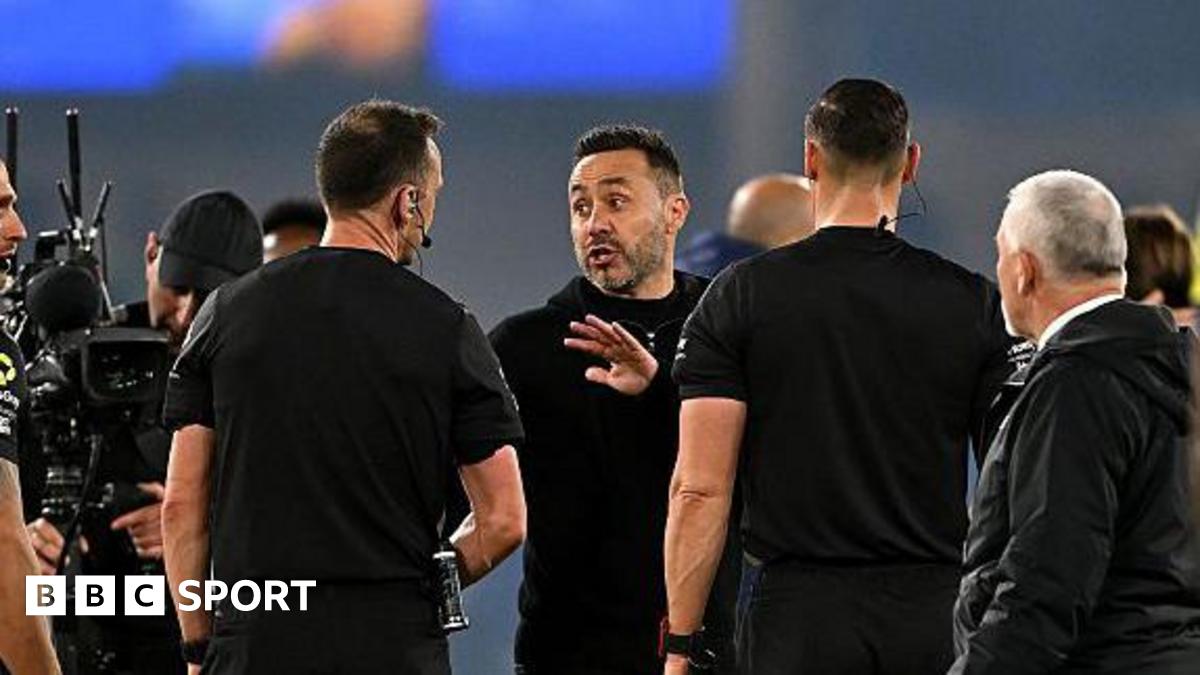
The referee touches his earpiece. It is the universal signal that football is about to stop being a sport and start being a legal deposition.
The 23-minute hostage situation
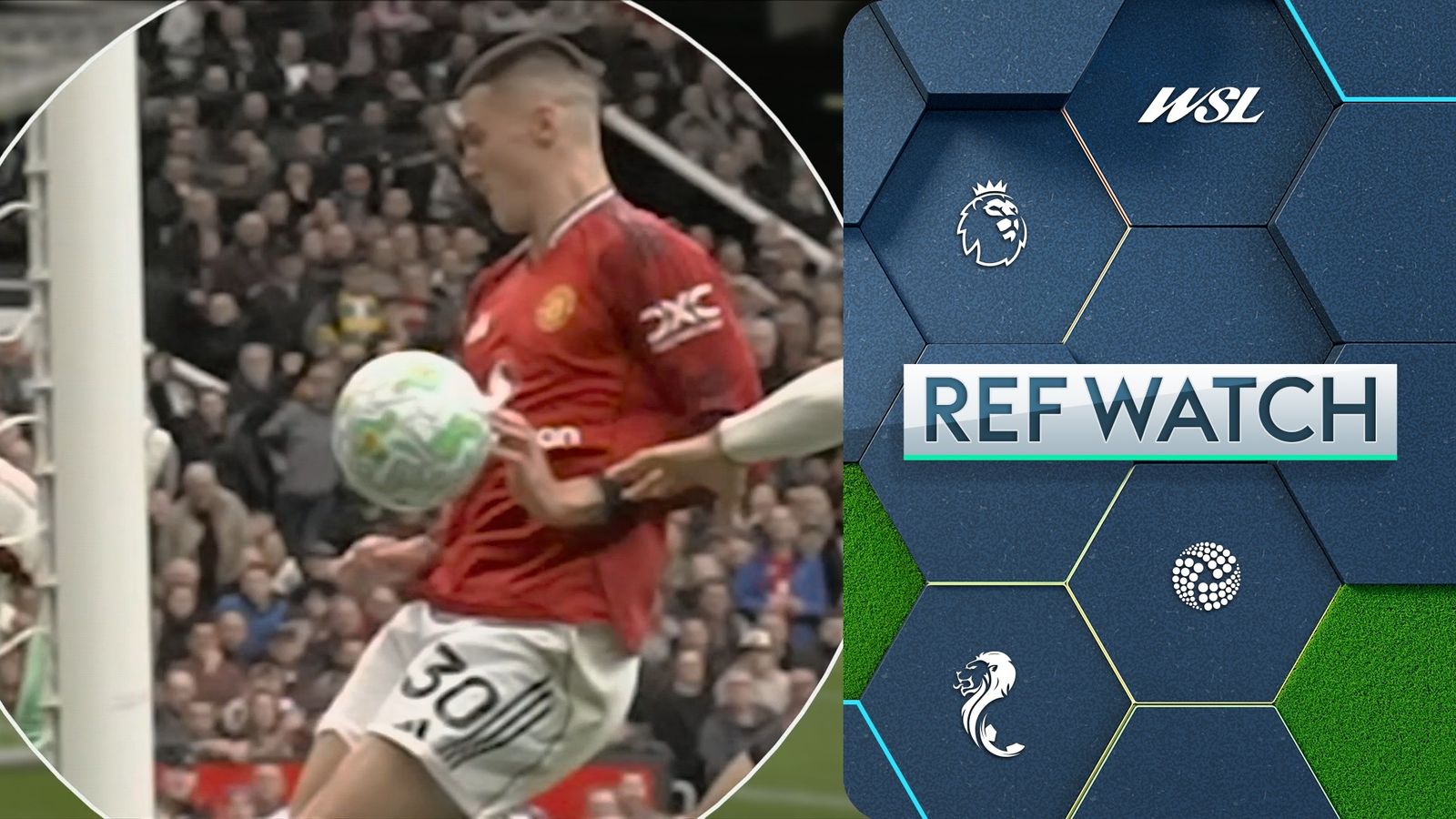
As Sky Sports highlighted during their Ref Watch segment, the entire ordeal perfectly encapsulated the madness. The ex-referees are always wheeled out to defend the indefensible, but even they are starting to crack under the absurdity. The exasperation in the studio was real.
The quote that sums up the entire farcical era of modern football was dropped right there during the broadcast. It was the verbal equivalent of throwing your hands in the air and walking out of the room.
"You can't wait 23 minutes!"
Now, was it literally a 23-minute delay? No. But did it feel like a quarter of a human lifespan? Absolutely. That is the whole argument right there. I do not care if the ball grazed a microscopic fiber of Sesko's sleeve. I do not care if we have zooming technology that would make the CIA jealous.
You cannot pause a live sporting event for what feels like an entire television sitcom episode to figure out if it is a handball. The players were just standing around. Sesko looked like he was waiting in line at the DMV. The goalkeeper took a drink, adjusted his gloves, thought about his mortgage, and probably learned a new language by the time the referee jogged over to the monitor.
The anatomy of a delay
We all know the stages of modern football grief:
- The initial euphoria of the ball hitting the net.
- The sudden, chilling realization that no one is restarting play.
- The agonizing wait while an invisible man draws arbitrary lines.
- The crushing disappointment of a disallowed goal over a microscopic infraction.
During the wait, the television director goes through their standard crisis playbook. First, we get a tight zoom on the referee standing there with two fingers pressed against his earpiece, nodding at voices we cannot hear. He looks like a secret service agent getting terrible news about the motorcade.
Then, we cut to the managers. One manager is screaming at the fourth official. The other manager is drinking aggressively from a water bottle, pretending he is not terrified.
Finally, we cut to the fans. You see grown men in replica shirts throwing their arms out in absolute confusion. You see kids who just wanted to watch their hero score a goal, now forced to endure a municipal zoning board meeting disguised as a sporting event.
The biology of a striker
Let us talk about the actual handball rule for a second. The law used to be something a ten-year-old could understand. Did he slap it on purpose? Yes? Foul. Did it accidentally hit his arm while he was running like a normal human being? Play on.
Now, we have geometry involved. We are looking at silhouetted body shapes. We are debating where the t-shirt line actually ends. We are acting like human beings do not have joints that bend.
Have the people at the IFAB actually tried sprinting at full speed? Your arms move. It is a biological necessity. Benjamin Sesko is a massive, powerful athlete. When he is fighting off a defender, jumping for a ball, or twisting his body to get a shot away, his arms are not going to be pinned to his sides like a riverdancer.
Are we really going to start penalizing players based on their tailoring? If a striker wears a baggy, retro-style long-sleeve kit, is his handball zone suddenly larger? If he wears a skin-tight compression shirt, does he get an advantage? The fact that we are even having this conversation proves the sport is completely lost in the weeds.
The defenders were not even protesting that aggressively. That is always the ultimate tell. When the opposition center-back just sighs and turns back toward the center circle, you know it was a good goal. But the slow-motion cameras found a pixel of controversy. They found a reason to insert themselves into the narrative.
Robbing the spontaneous joy
Here is my biggest negative takeaway from this entire circus. We are actively killing the spontaneous joy of scoring. The very essence of football is that singular moment of explosion.
It is the split second when the ball crosses the line and fifty thousand people lose their collective minds simultaneously. It is the best drug in the world. And the authorities are watering it down.
You cannot celebrate anymore. You just cannot do it. Every cheer comes with a mental asterisk. You jump off the sofa, you spill your drink, and then you immediately look at the referee. It is miserable. We are being conditioned to suppress our excitement until a guy in a van thirty miles away gives us permission to be happy.
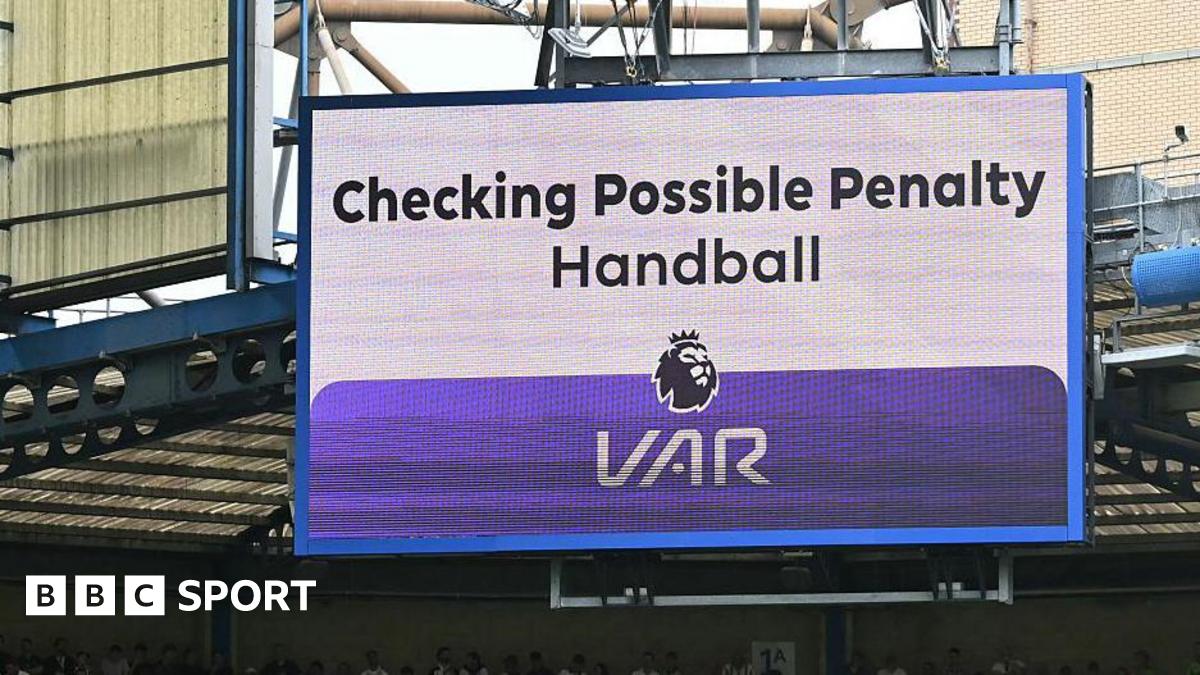
The Sesko review felt like a filibuster. It dragged the momentum of the game into a dark alley and beat it with a stick. Fans in the stadium were left staring at a screen that essentially just said checking. Checking what? Our patience? Checking to see if anyone has fallen asleep?
The illusion of perfection
The underlying lie of the VAR era is that we can achieve perfect justice. We are chasing an impossible standard. Football is a messy, chaotic game played by flawed humans on a massive pitch. It is not chess. It is not supposed to be perfectly clean.
By trying to sanitize every single decision, we have introduced a new, far more annoying type of error. The error of pedantry. I would rather a referee miss a slight handball at full speed than watch five guys in a booth spend five minutes trying to find a reason to rule out a piece of brilliance.
If you start punishing strikers for the natural physics of their bodies, you are going to change how they play in the box. We are going to see guys trying to head the ball with their arms locked behind their backs like they are in handcuffs. We are going to see players hesitating for a fraction of a second, worried that a ricochet will brand them a cheat.
That hesitation is the difference between a goal and a blocked shot. It is the difference between a highlight reel finish and groans from the stands. We are actively penalizing attacking instincts.
The 60-second rule
This subjective nonsense has to stop. We need a hard cap on this madness. If a referee in a booth cannot see a clear and obvious error within 60 seconds, the original call on the field stands. That should be the golden rule.
If it takes longer than that to find the infringement, it is by definition not clear, and it is certainly not obvious. You are just hunting for a reason to cancel a goal. You are acting like a bored traffic cop looking for a taillight violation to meet a quota.
Benjamin Sesko got robbed of a great moment. The fans got robbed of a flowing football match. And we all got subjected to an impromptu seminar on the physics of a sleeve graze.
We tune in for the chaos, the skill, and the passion. We do not tune in to watch a referee stand shivering in the rain with his finger pressed against his ear, listening to a debate about the exact circumference of a bicep at 12 frames per second. Sort it out.