The Sudden Exit at West Ham
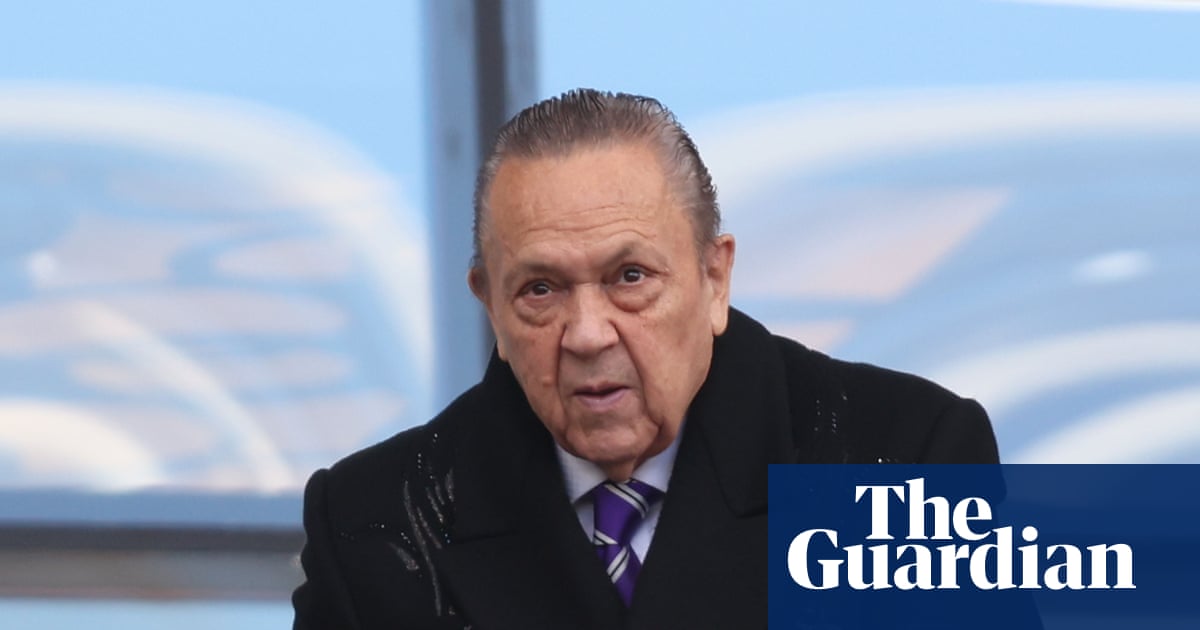
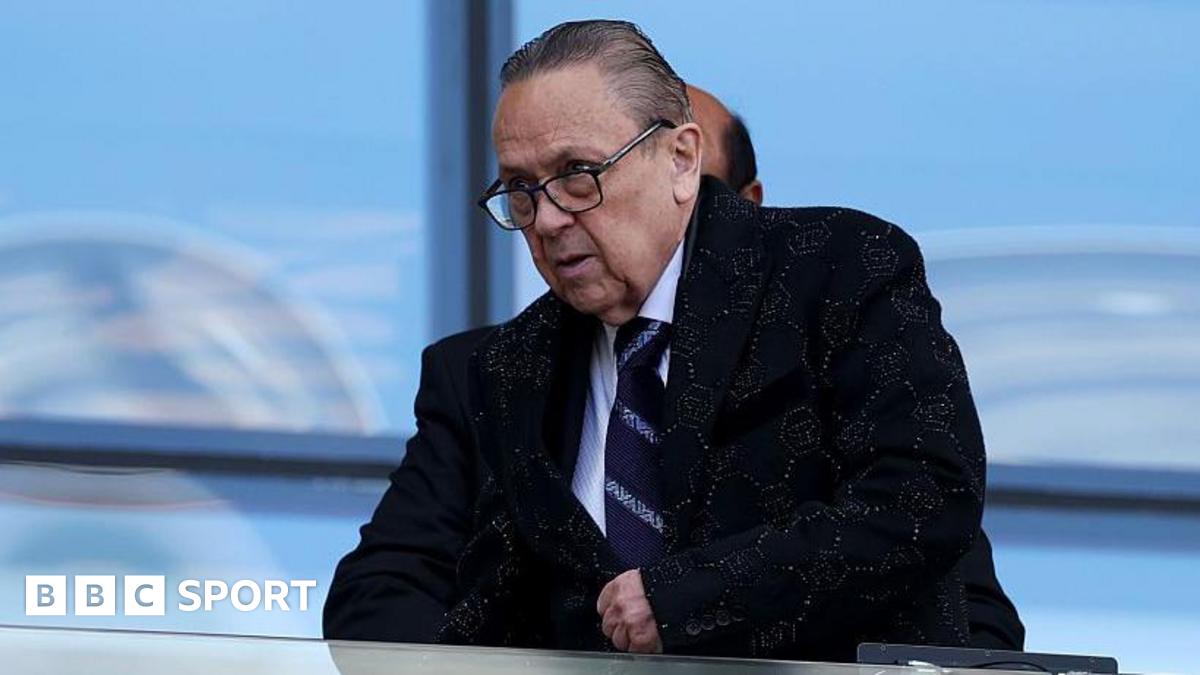
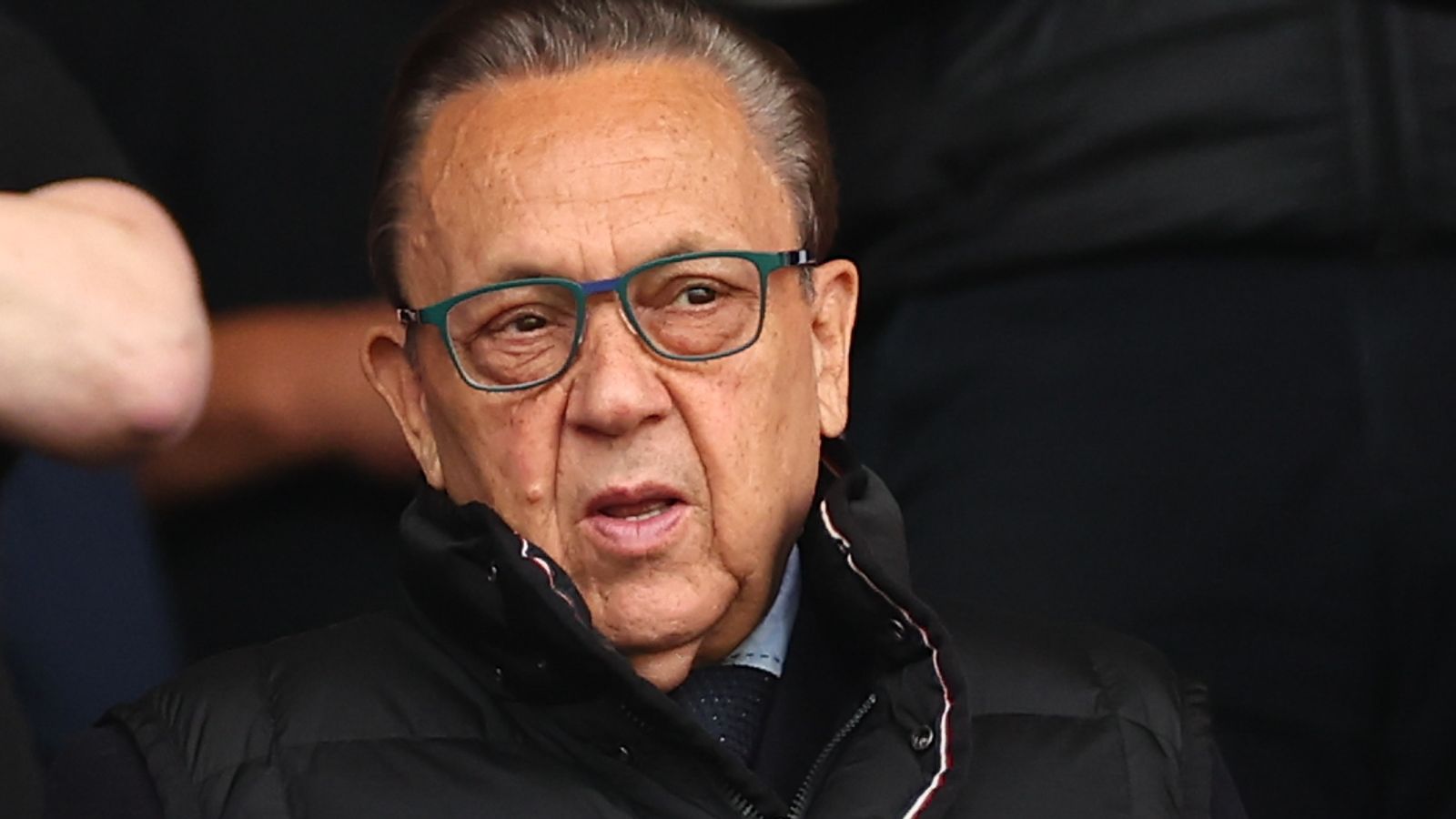
David Sullivan has resigned from his position as joint-chairman of West Ham United, effective immediately. The move comes just five days before the global stage turns toward 2026 World Cup venues, signaling a period of extreme instability for the Hammers' leadership structure. Sullivan, who has been a fixture of the club's administration for over a decade, provided no public statement detailing his reasoning.
This departure is not a sudden medical crisis but a major administrative blow. While individual player fitness occupies the headlines today, the lack of top-level continuity at the London Stadium creates a vacuum in operational management. Sullivan’s involvement in recruitment and long-term financial planning was total, making this transition potentially more damaging than a mid-season injury to a starting striker.
The Timeline and Strategic Uncertainty
The timing is catastrophic for fan stability. With the FIFA World Cup fast approaching, the attention of stakeholders is already divided. Sullivan’s exit leaves the club without one of its primary engines just as the summer window prepares to open. Recruitment targets are often contingent on chairman-level approval, and this departure essentially freezes the club’s ability to conduct business in the transfer market.
Historically, West Ham has struggled with internal communication during ownership transitions. When previous ownership cycles shifted, the result was often a disjointed scouting process that led to overpriced signings failing to integrate. Without Sullivan in the boardroom, the club risks repeating the errors that plagued their early years at the London Stadium. Sources suggest that internal factions are already jockeying for influence, a reality that rarely produces positive results on the pitch.
Operational Risks Moving Forward
The club has failed to provide a succession plan, leaving shareholders and supporters in the dark. A transition this abrupt usually suggests profound disagreements behind the scenes regarding the club’s budget for the 2026/27 campaign. If the remaining board members cannot reconcile these internal disputes, the club faces a summer of paralysis, further isolating them from their domestic competitors.
Competitively, this is a massive oversight in planning. Modern football requires a seamless flow between ownership and technical directors to ensure training camp arrivals are locked in early. A void at the top, as confirmed by Sky Sports reports, renders the current squad's fitness and strategic readiness secondary. If the infrastructure of the front office cracks, the foundation of the squad follows shortly after.
Reflecting on Historical Precedents
Past boardroom volatility at West Ham has consistently manifested as a lack of focus on personnel longevity. Similar exits in the Premier League have frequently resulted in a drift toward mid-table mediocrity as the organization pivots from strategic growth to defensive saving measures. It is difficult to see how West Ham maintains competitive parity if their leadership is actively contracting rather than expanding.
The club must clarify the command structure before the training ground doors open for pre-season. Prolonged silence will only invite further speculation, damaging the morale of the squad that recently finished the domestic campaign. Success in the league is a direct output of stability; unfortunately for Hammers fans, the current reality looks like a complete withdrawal of that stability.