The Anatomy of a Power Crisis
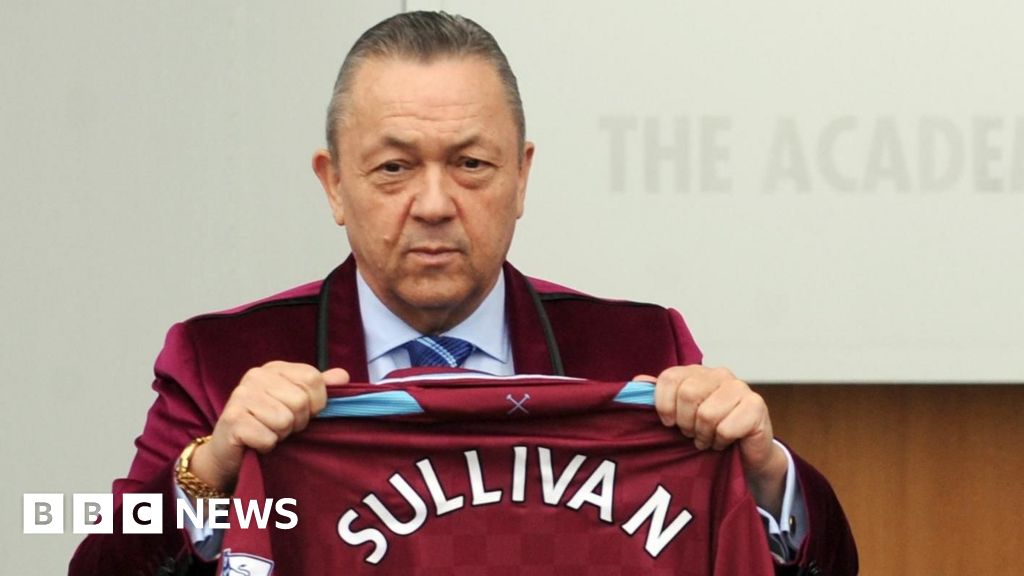
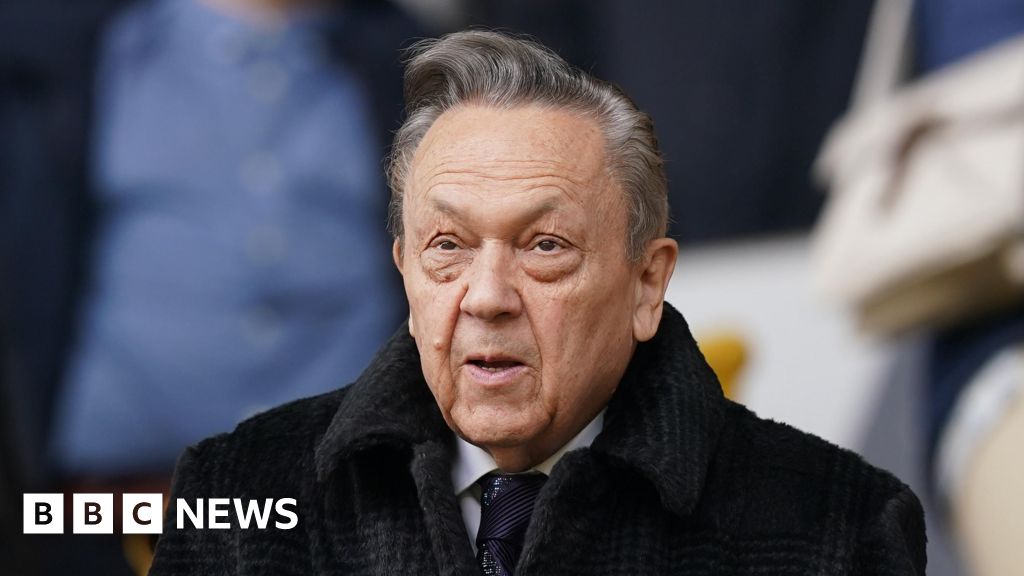
David Sullivan remains the central figure in a storm that refuses to break. The controversy surrounding his conduct has brought the Independent Football Regulator into direct conflict with West Ham’s historical management core.
These ten moments define a tenure currently under the microscope of professional investigation. The following list assesses the events that shaped the current inquiry and the scrutiny surrounding the club's power structure.
1. The Independent Football Regulator Inquiry
The IFR has launched a formal investigation into allegations of sexual misconduct levelled against Sullivan. This is the paramount issue for the club and its ownership stability. It represents a institutional pressure that has never been applied to an owner of his longevity before.
The seriousness of the allegations dictates this top spot. Every other boardroom maneuver currently pales in comparison to an investigation that threatens the actual validity of his remaining time as a majority stakeholder at the club.
2. The Removal of Tara Warren from Inquiry
As The Guardian reported, Tara Warren was officially removed from the IFR investigative team today. Warren served as an executive director at West Ham until December 2025.
Her removal highlights the extreme caution the IFR is taking to remain impartial. A conflict of interest involving a former high-ranking club official could have poisoned the entire process before it formally began.
3. The Women’s Team Ban Allegations
The core of the current investigation stems from allegations regarding the treatment of the women’s team. Reports suggest Sullivan played a role in internal decisions that crippled the growth of the side.
These allegations are the primary wedge between the club's public narrative and current internal reality. If substantiated, they represent a massive failure of governance that will be impossible for the board to explain away.
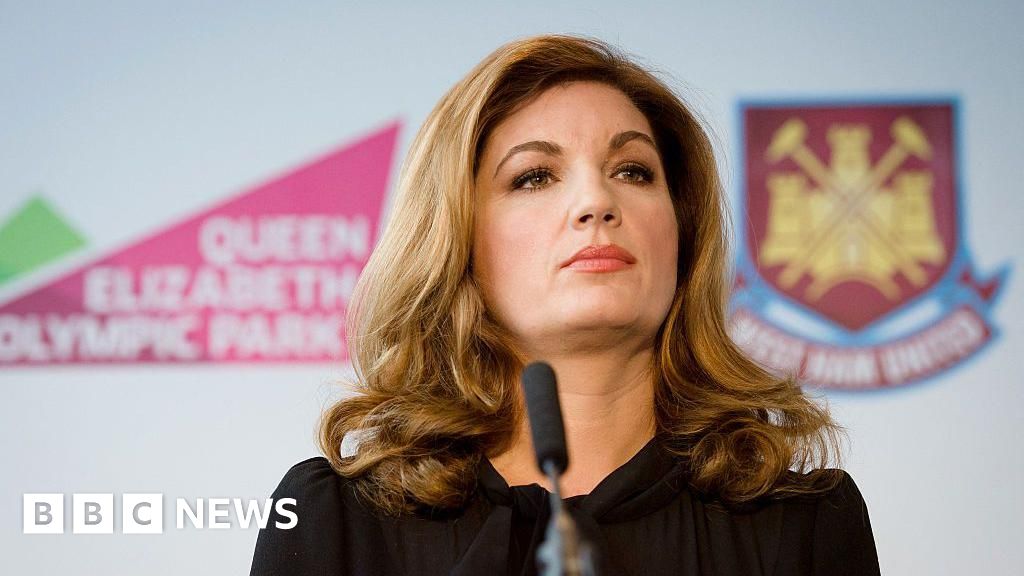
4. Karren Brady's Stance
Legal teams representing Karren Brady have issued statements claiming she had no knowledge of the allegations involving the women's team. This is a vital attempt at separating her legacy from Sullivan's recent crisis.
However, the proximity of their professional partnership makes this line difficult to maintain. As noted in BBC reporting, public trust in the "no knowledge" argument remains historically low.
5. The Breakdown of Internal Accountability
The fact that an inquiry is necessary at all is an indictment of the internal controls at the club. For years, the boardroom operated as a closed shop with little external oversight.
Now that the regulator has stepped in, those walls are no longer effective. This failure of accountability is why the current investigation is reaching such a fever pitch among the fanbase.
6. The December 2025 Board Reshuffle
Tara Warren’s exit from the club in December 2025 was initially viewed as standard executive turnover. With today's news of her recusal from the IFR, that departure takes on a much darker significance.
It suggests the board knew deep investigations were looming months ago. Moves made late last year now clearly look like preparation for a legal and regulatory siege.
7. The Erosion of Fan Sentiment
Attendance is one thing, but trust is something else entirely. The consistent stream of negative headlines regarding the ownership has turned the London Stadium atmosphere sour.
When an owner becomes the story, it distracts from the pitch. Sullivan has reached a point where his name on the masthead is actively damaging the brand's identity.
8. The Regulator's New Muscle
The IFR is currently setting a precedent for how future inquiries will be handled. By removing a director over a conflict of interest, they are signaling that they will not be intimidated by historical club ties.
This is the first true test of the regulator’s power. If they handle the Sullivan inquiry correctly, they set a standard that will govern the league for decades.
9. Long-term Business Partner Scrutiny
Sullivan’s career has rarely been without conflict, but this cycle is different. The scrutiny now extends to the systems that allowed his operational style to flourish for years.
His long-time associates are finding it harder to distance themselves when the ledger of events is this public. The ties that kept the ship sailing through previous storms are finally snapping.
10. The Legacy of the London Stadium Move
While the move to the London Stadium was a commercial landmark, it often acted as a mask for deeper systemic issues. Sullivan used the stadium's scale to leverage bigger revenue streams, ignoring the human costs in the front office.
It is in the 87th minute of his tenure that the true cost of those choices is being measured. He built a commercial machine, but he forgot to build a culture that could survive a scandal.
Honorable Mentions
- The revolving door of executive directors who left between 2024 and 2026.
- The failure of the club to communicate clearly regarding the women’s program funding.
- The increasing silence from ownership representatives during the recent IFR developments.