The ball is in play for an average of 58 minutes during a standard European league match. When May arrives and knockout football begins, that number plummets. When you track the passing networks of top sides between August and March, you see distinct philosophical shapes. Teams build from the back, full-backs invert into central midfield, and forwards drop deep to overload the half-spaces.
By the time the Bank Holiday weekend arrives, those shapes dissolve completely. The data shows a massive regression to risk aversion across every major European league. Managers stop trying to win with style. They try to avoid losing at all costs. We are entering the month where fear dictates the numbers, and the margins for error shrink to zero.
The analytics of panic at Wembley
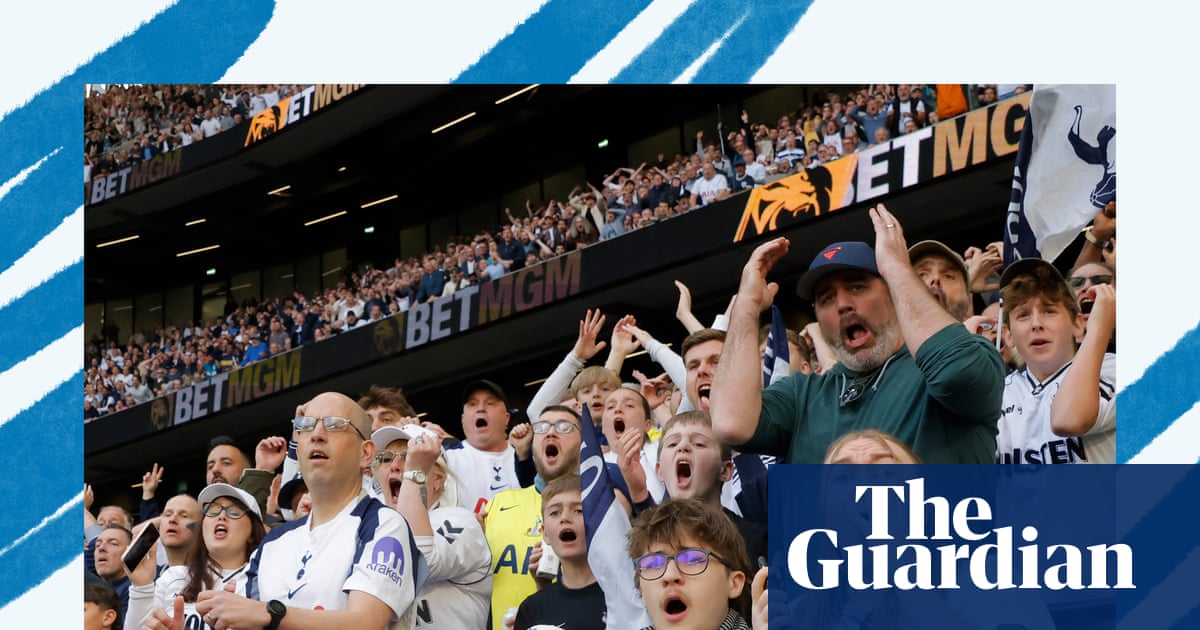
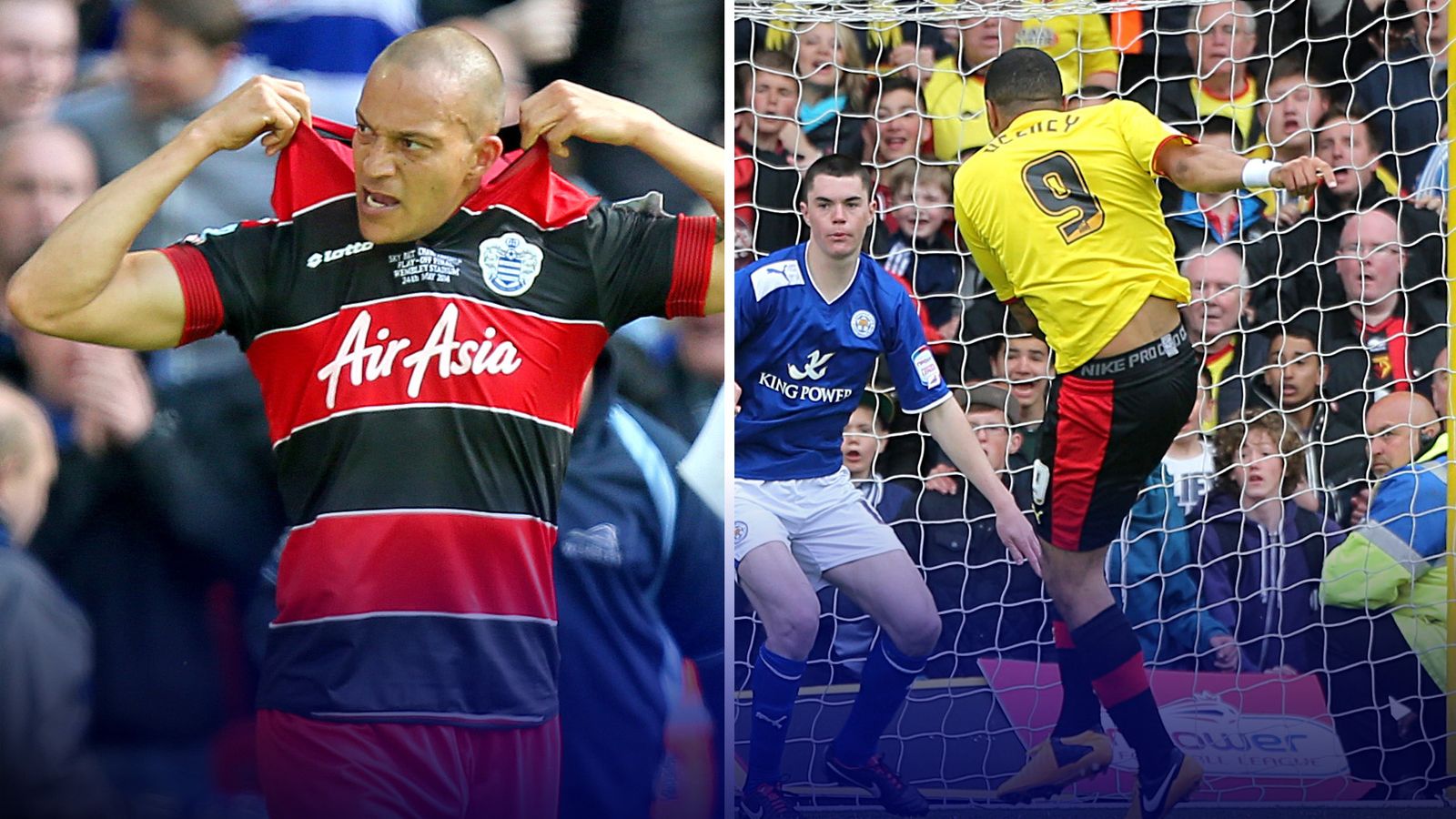
Every year, the broadcast build-up to the English Football League play-off finals focuses on the noise, the colour, and the raw emotion of Wembley Stadium. Pundits talk about momentum and desire. The underlying data tells a much grimmer, more mechanical story.
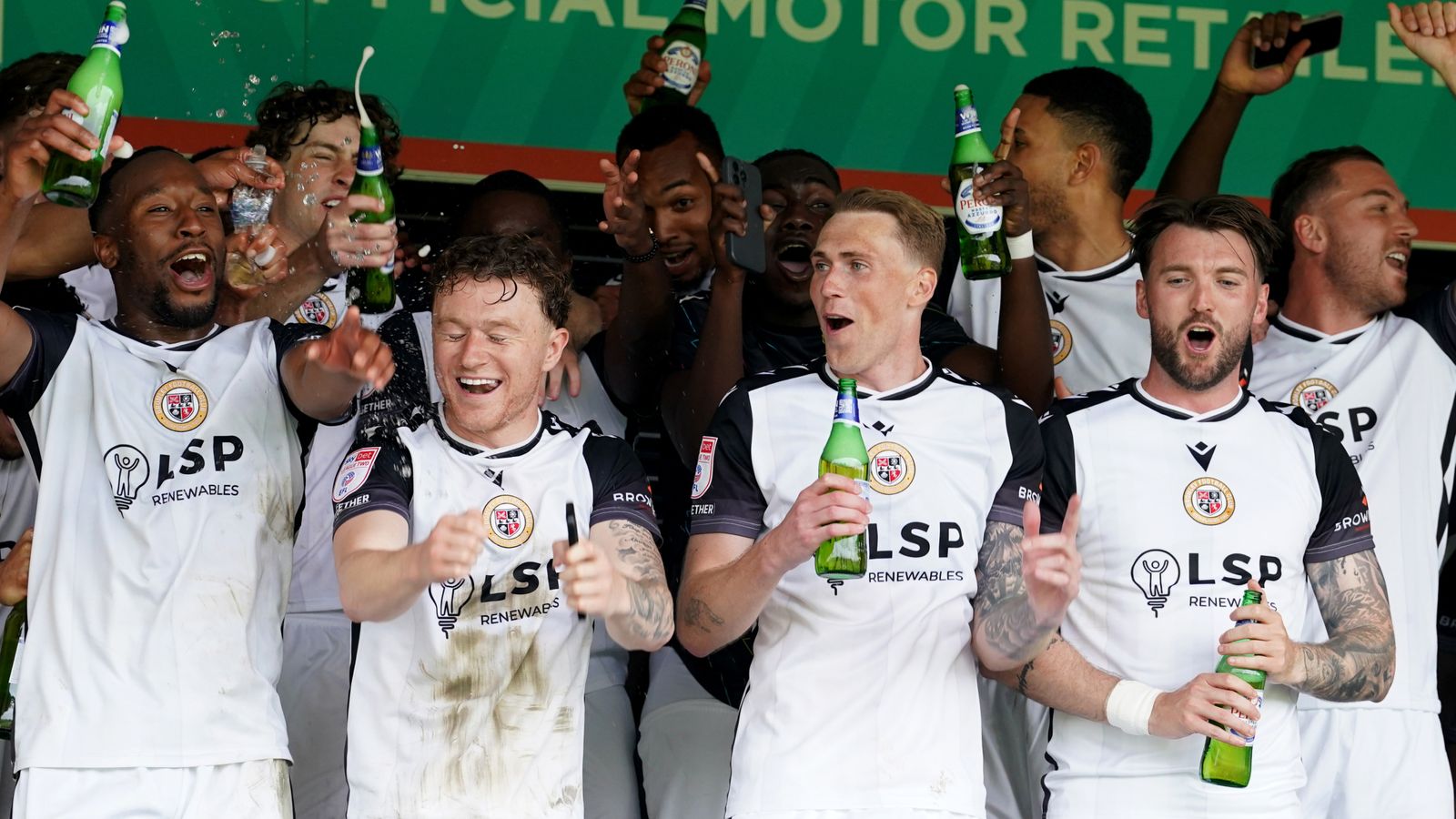
The Championship play-off final is routinely the worst tactical spectacle of the season, and it happens for a very logical reason. The match is worth approximately £170m to the victor in broadcasting rights and parachute payments. That number acts as a massive tactical anchor. When you cross-reference the regular-season metrics of the finalists against their performance at Wembley, the drop-off in attacking intent is severe.
Average passes per defensive action (PPDA) across the last ten finals spikes from a regular-season average of 12.1 to 15.4. This means teams simply refuse to press high up the pitch. They do not want to leave space behind their defensive line.
Instead, they drop into rigid mid-blocks. They leave their full-backs pinned to their own penalty area, terrified of a transition counter-attack. The average combined expected goals (xG) for a regular Championship match sits at 2.4. In the play-off final, that combined figure plummets to a dismal 1.65. Teams take fewer shots, and the shots they do take are from lower-probability areas outside the penalty box.
Fans buying tickets for Wembley this May are paying top prices to watch two terrified teams hit long, hopeful diagonals into the channels. The ball-in-play time routinely drops below 52 minutes due to constant tactical fouling and time-wasting. The team that wins is rarely the one that plays the best football. It is almost always the team that makes the fewest unforced errors in their own defensive third. You are not watching a football match. You are watching a 90-minute financial audit.
The €80m problem at Juventus
This same ruthless, risk-averse calculus is currently playing out in Turin. Juventus have reportedly set a hard limit on Dusan Vlahovic's future at the club. The hierarchy has looked at the spreadsheet and made a cold decision. AC Milan are watching the situation closely, but the underlying numbers explain exactly why Juventus are finally willing to cut their losses on their marquee forward.
When Juventus paid Fiorentina €80m for Vlahovic, they bought a statistical anomaly. In Florence, Vlahovic was outperforming his xG by nearly 25%. He was scoring low-probability strikes from outside the box, burying difficult headers, and converting half-chances under heavy physical pressure. That sort of extreme finishing variance is almost never sustainable over a five-year period. Strikers revert to the mean.
Four years later, the data has aggressively corrected itself. This season, Vlahovic's non-penalty xG sits at a thoroughly average 0.48 per 90 minutes. He is getting fewer chances, and he is converting them at a perfectly standard rate.
That standard rate is simply not enough for a primary forward at a Champions League club paying elite wages. But the bigger tactical issue is his touch map. At Fiorentina, Vlahovic averaged 6.2 touches in the opposition penalty area per game. At Juventus, that number has dropped to 4.4. When he gets frustrated by a lack of service from his midfield, he drops deep to demand the ball.
He lacks the close control or the passing range of a Harry Kane to actually dictate play from those deep areas. His pass completion rate under pressure hovers around an unacceptable 63%. Milan's interest is structurally baffling from an analytical perspective. If they view Vlahovic as a direct replacement for the departed Olivier Giroud, they are completely misreading the data.
Giroud was a low-usage, high-efficiency target man who occupied opposition centre-backs so Rafael Leao could isolate full-backs in wide areas. Vlahovic is a high-volume shooter who demands the ball to his feet. Dropping him into Milan's current tactical setup would clog the exact central passing lanes their wingers rely on to create high-xG cutbacks.
Simone Inzaghi's Roman algorithm
While Juventus wrestle with an expensive, data-defying mistake, Inter Milan have perfected the art of the one-off match. Simone Inzaghi takes his team to Rome to face Lazio in the Coppa Italia final. If you want to understand how to completely manipulate an opponent in a cup final setting, you study Inzaghi's approach to these games. He treats them like a mathematical equation.
His win rate in domestic cup finals is a ridiculous 85%. That is not luck. It is a systematic dismantling of the opposition's preferred playing style.
He achieves this by turning his standard 3-5-2 system into a suffocating trap. In standard league matches against lower-tier opposition, Inter use their wing-backs to stretch the pitch horizontally and create crossing opportunities. In finals, Inzaghi instructs them to push 15 yards higher up the pitch right from the opening whistle. They pin the opposition wide players deep inside their own half, forcing them into a back five.
You can watch the final from anywhere, but ignore the ball and focus specifically on Nicolo Barella. Inter's midfield engine covers an average of 12.4km in knockout finals. Because the wing-backs push so high, Barella and his midfield partners have to cover massive lateral distances to stop counter-attacks before they start. They act as a sweeping shield in front of the defence.
Lazio's usual tactical approach under their current setup relies on fast, vertical transitions through the middle of the pitch. Against Inter in a final, those transitions simply do not exist. Inter's three centre-backs drop early, refusing to leave any space in behind for runners.
Lazio will be forced to try and play slow, methodical passes through a heavily congested five-man midfield block. It is a miserable problem to solve. Inzaghi's finals are rarely high-scoring thrillers. They are methodical, grinding, defensively flawless performances designed to produce a 1-0 win.
The grim reality of the SPFL
If Wembley is driven by the fear of missing out on massive broadcasting riches, the Scottish equivalent is driven by the sheer terror of financial ruin. The SPFL play-offs operate on a tiny fraction of the English Football League's budget, but the proportional gap between the top flight and the Championship is just as devastating for the clubs involved. Relegation means gutting the squad.
You can stream the SPFL ties this month, but be prepared for a highly attritional watch. It is rarely a showcase of technical ability. The data here shows an even steeper regression to basic, survivalist football than we see in England.
A Scottish Premiership side fighting relegation usually averages around 42% possession over a gruelling 38-game season. They are used to sitting deep and absorbing pressure against Celtic and Rangers. In the play-off final against a lower-league team, they are suddenly expected to flip their tactical identity and dictate the tempo. They almost never have the personnel to do it.
The resulting matches are entirely dependent on dead-ball situations and unforced defensive errors. Over the last five years of SPFL play-offs, a staggering 42% of all goals scored have come from set-pieces. Corners, wide free-kicks, and poorly conceded penalties decide who stays up and who faces a massive structural budget cut.
There is almost no expansive passing through the thirds. Midfielders bypass the central areas entirely, opting for long balls toward isolated strikers. The ball spends incredibly long periods out of play as players take their time over every throw-in and goal kick. It is football reduced to its absolute most basic, brutal components.
The May correction
This is exactly what the month of May does to the sport. The clever tactical innovations we praise in October vanish entirely. Managers look at the spreadsheets, realize the devastating cost of a single defensive mistake, and strip their systems back to the absolute basics.
Vlahovic's bloated transfer fee becomes an immovable liability on the balance sheet. Inzaghi's pragmatic, joyless grinding becomes the gold standard for success. And Wembley hosts the most expensive, lowest-quality football match of the entire European calendar.