The clinical cruelty of the knockout format
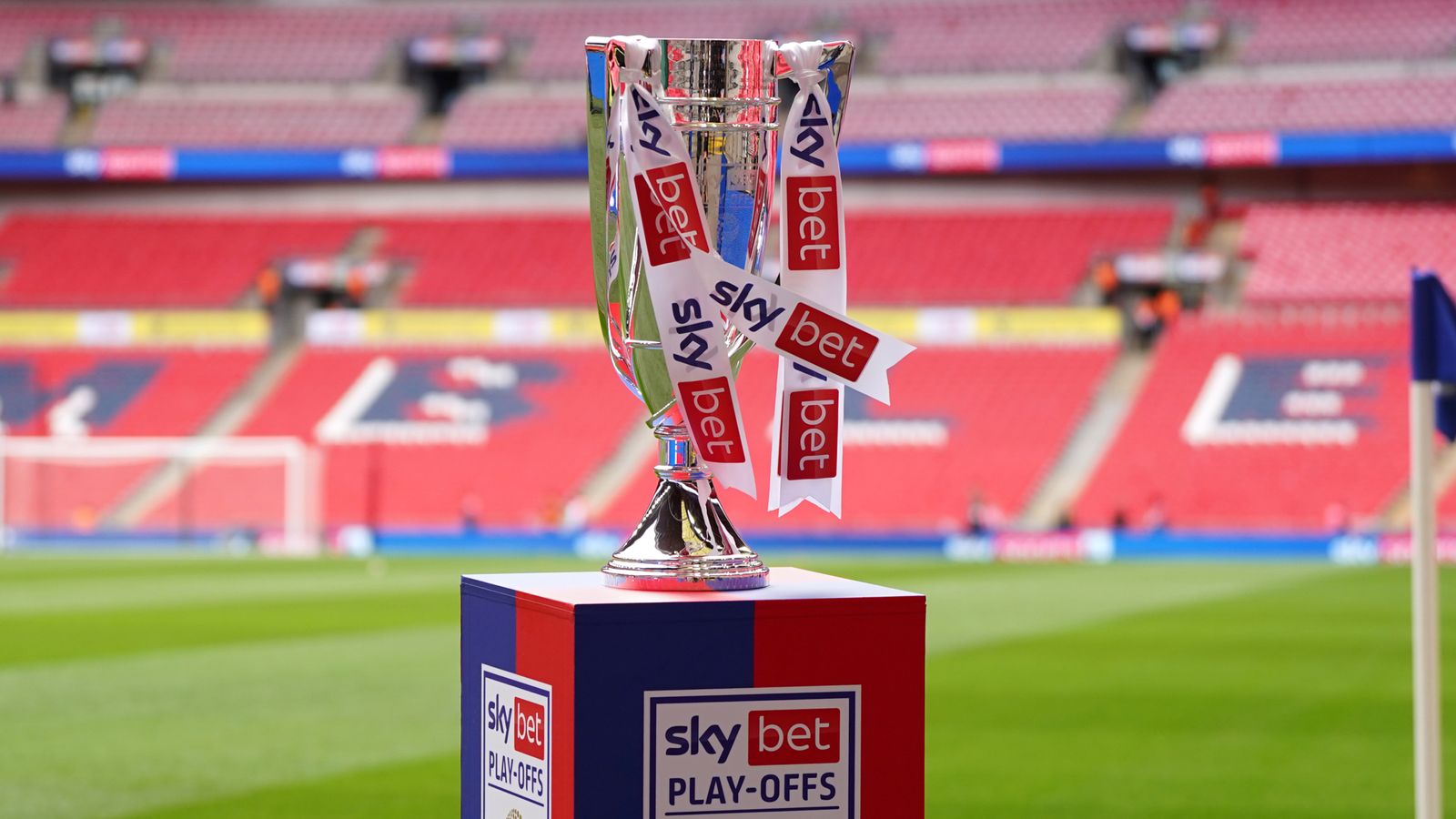
Forty years of the EFL play-offs have taught us one thing: league table superiority is a suggestion, not a guarantee. As teams gear up for the final promotion push this May, the volatility of the post-season bracket remains unmatched by any other competition in the sport. While Sky Sports data highlights the historical weight of these fixtures, the statistical anomalies prove that momentum, not points, dictates the final winners.
We see far too many clubs approach these matches with fear, sitting in a low block and hoping for a set-piece break. This is a tactical failure. Successful sides in this high-pressure environment typically prioritize verticality, pushing the defensive line up to restrict space for opposition transition play. When a team retreats, they invite the specific kind of chaos that makes Wembley finals so frequently decided by individual errors rather than collective brilliance.
The psychological toll of the Wembley stage
Managerial decision-making often collapses under the lights of the National Stadium. We frequently witness managers abandon the systems that secured them 80+ points across a 46-game campaign in favor of defensive conservatism. It is a predictable rot. If you deviate from your tactical identity, you deserve the 1-0 loss that inevitably follows when your midfield gets bypassed in transitions.
There is also a glaring discrepancy in how squads manage the gap between the final league game and the semifinal legs. Teams that rotate heavily in the final two weeks of the season rarely find their rhythm in the knockout stage. You cannot switch off for fourteen days and expect your pressing triggers to function at elite intensity against an opponent that fought for every loose ball in the final round of the regular season.
Tactical markers for the upcoming fixtures
Watch the full-backs. In modern play-off history, the side that controls the wide channels during the transition phase wins the encounter. If a team’s inverted full-backs tuck into central midfield too early, they leave the touchline wide open for a pacey winger to exploit the space behind. It is basic geometry, yet it remains the most neglected defensive principle in English football.
My gripe with current scouting ahead of these fixtures is the obsession with xG over physical availability. You need players who can handle the 95th-minute exertion. If you are tracking a squad, look at their second-half output over the last ten matches. If they drop off after the 70th minute, they will be shredded at Wembley by a fitter, deeper bench.
Predictions for the promotion sprint
I am backing the team that finishes with the most consistency in their pressing structure rather than the one with the most talented individual starters. History proves that resilience against counter-attacks is more valuable than creativity in the final third when the pitch feels like it is expanding due to sheer fatigue. Expect a team that has played with a high defensive line for the majority of the season to triumph, simply because they are conditioned to exist in high-stakes space.
My final prediction? The club that prioritizes transitions will punch their ticket to direct advancement, provided they avoid the temptation to park the bus. If you play for penalties, you lose. It is that simple.