Tactical refinement at the top
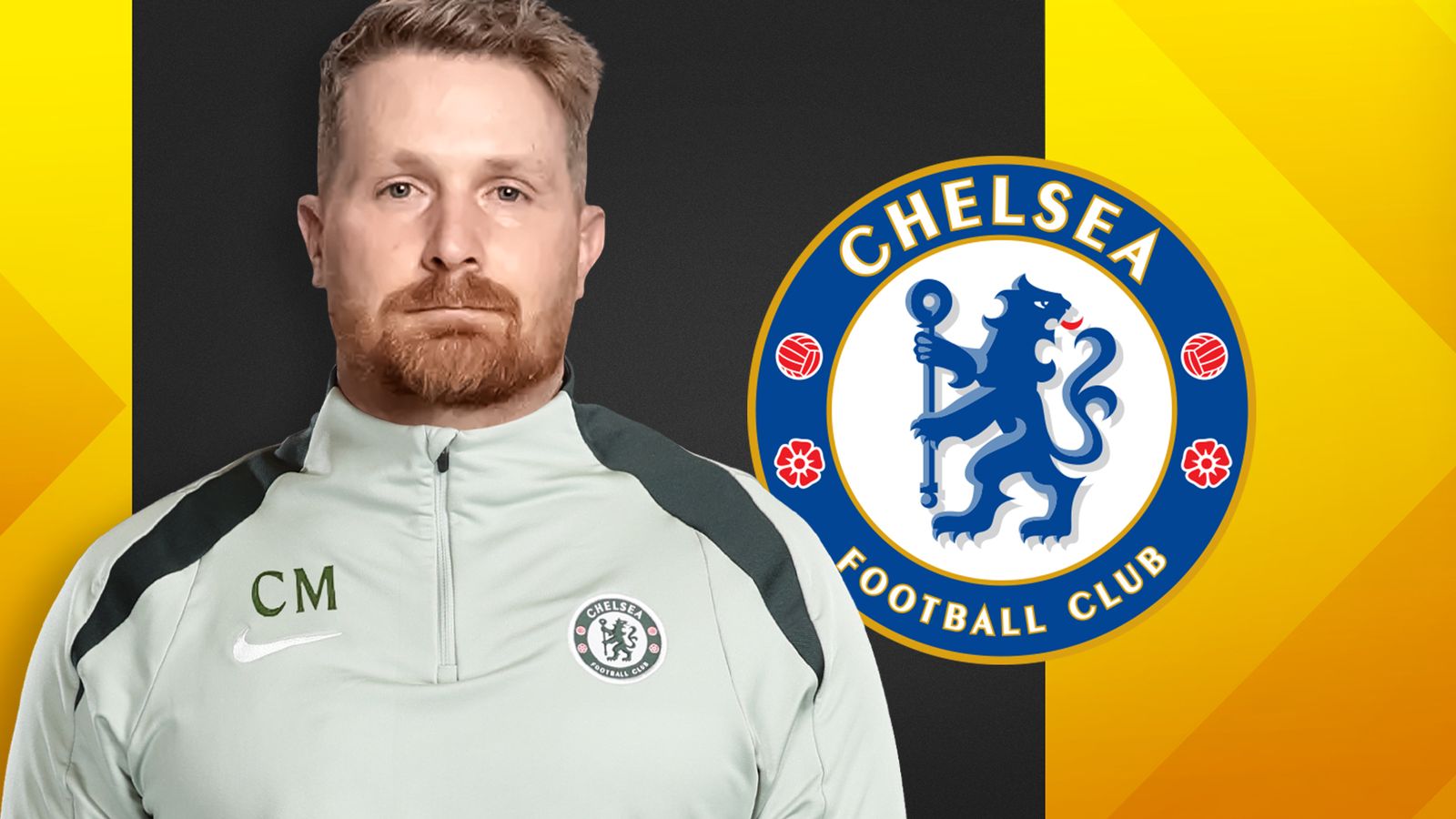
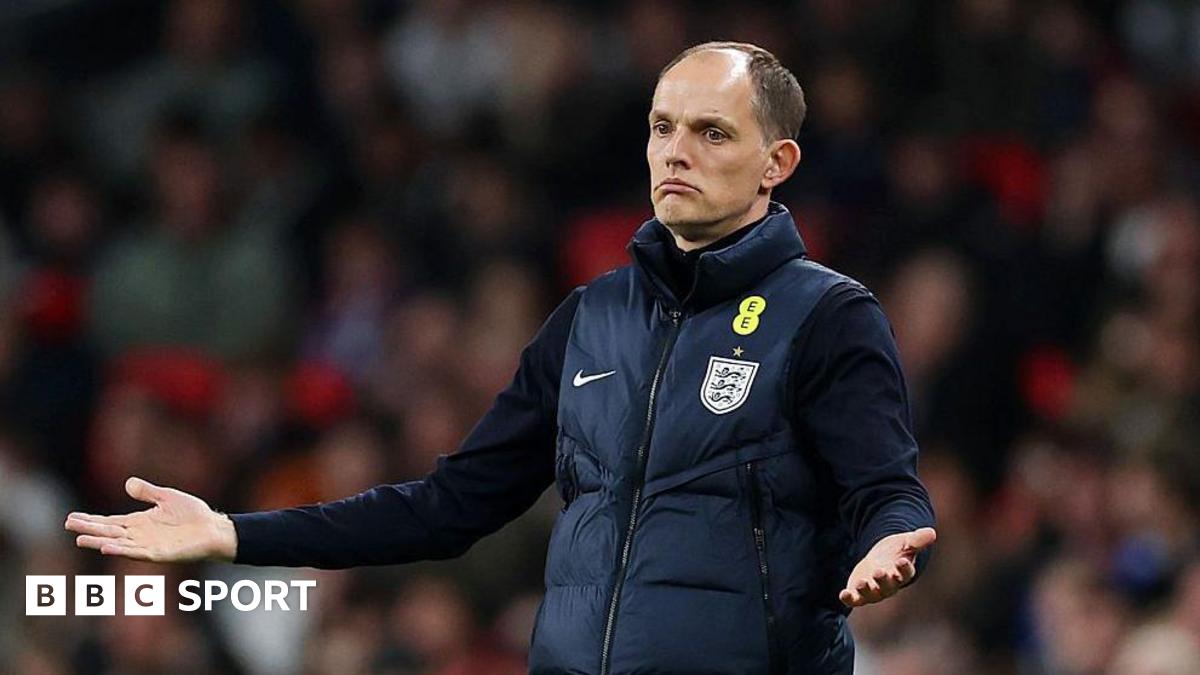
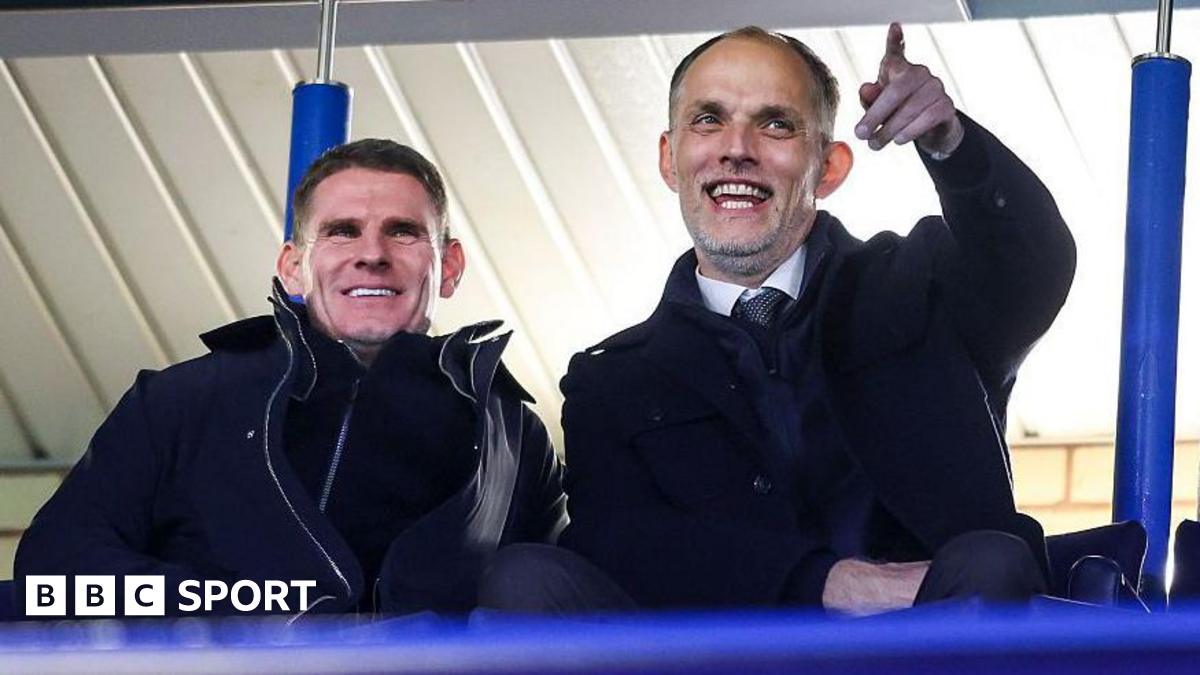
Thomas Tuchel takes his place at the helm for the World Cup, a tournament barely 70 days away. The discourse has fixated on starting elevens and squad depth, but the real narrative sits in the backroom. Specifically, the role of Anthony Barry.
Barry represents the bridge between the pragmatic reality of English football and the rigid, high-press methodology Tuchel favors. We are a decade removed from his time in the midfield at Accrington Stanley. Now, he is the engine room of the tactical planning sessions at St. George's Park.
The shadow of the previous guard
Tuchel arriving with a heavy German contingent was always going to ruffle feathers. The appointment of a foreign manager is rarely met with total national synergy. Yet, retaining Barry, who has served under Roberto Martinez and Frank Lampard, feels like a calculated insurance policy against total cultural detachment.
The criticism here is valid: does this reliance on Barry act as a crutch? If the manager is meant to dictate the identity, relying on an assistant to interpret the domestic landscape for him risks dilution. A system is only as strong as its core communication loop.
The World Cup window
We are looking at a truncated development cycle. With the June 11, 2026 kickoff rapidly approaching, there is zero room for bedding in a complex positional play structure. The tactical adjustments need to be immediate.
Barry is reportedly tasked with fast-tracking this implementation. His hands-on work with set-pieces and dead-ball scenarios will be the difference between a round-of-16 exit and a deep tournament run. In high-leverage international knockout games, these thin margins define legacies.
The final verdict
This is not a traditional transition. Tuchel is a coach who demands absolute obedience to his tactical structure. If the squad fails to absorb his instructions by the opening match, the blame will land squarely on the manager’s refusal to build a more localized staff network.
My prediction: England makes the quarter-finals, but the team struggles with defensive transitions against elite counter-attacking sides. Barry will emerge as the scapegoat if the setup feels mechanical rather than intuitive. It is a high-stakes gamble that hinges on whether the players respect the method enough to execute it under pressure.
Ultimately, the remarkable rise of Anthony Barry provides a sliver of localized intuition that Tuchel lacks. Whether it is enough to overcome a decade of international tournament heartbreak during the 2026 World Cup remains to be seen by the results on the pitch.
Read Next