The Lead: Ankle Surgery Ends Conway's World Cup Before It Starts
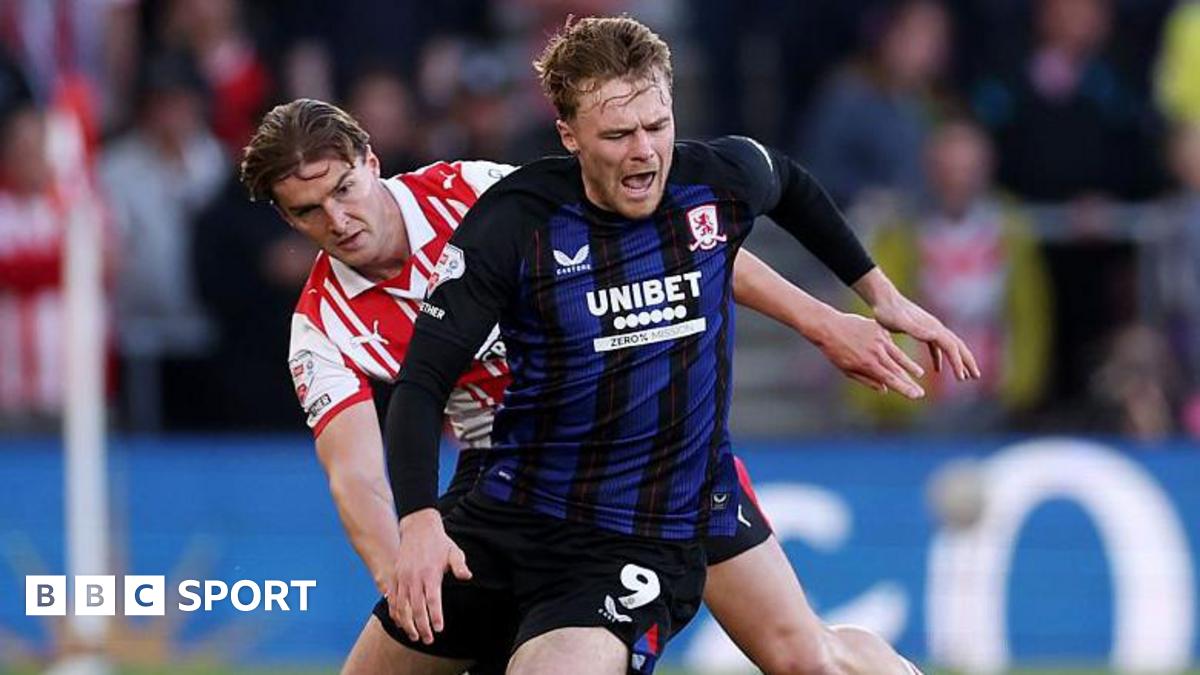
Middlesbrough striker Tommy Conway will miss the 2026 FIFA World Cup in the United States after undergoing major ankle surgery. The forward was forced off in tears during the second leg of the Championship play-off semi-final against Southampton earlier this month. Medical assessments revealed severe structural damage that required immediate surgical intervention, ending his season in the most painful way possible.
The timing is devastating for both club and country. Conway was in excellent form and was widely expected to join Steve Clarke's final squad for the tournament. Instead, he had to watch from the sidelines at Wembley today as Middlesbrough suffered a heartbreaking defeat in the play-off final. Hull City secured a dramatic promotion to the Premier League, leaving Middlesbrough to face another year in the Championship without their star man.
The Play-off Final Blow
Even before the Wembley kickoff, Conway's absence loomed large over Middlesbrough's preparation. Middlesbrough fought hard but lacked a clinical edge in the final third. The match was decided in the final seconds of stoppage time when Hull City struck a mortal blow. Sol Brynn's late blunder allowed Hull City to seal their return to the top flight after a nine-year absence.
Conway traveled with the squad to London, desperate to support his teammates despite his leg being immobilized. The sight of the young forward on crutches during the pre-match warm-ups highlighted the massive void in Middlesbrough's attack. The club must now prepare for a summer of rebuilding while their primary goalscorer begins a grueling recovery process.
The Medical Verdict: Ligament Damage and the Recovery Path
Orthopedic specialists confirmed that Conway suffered a high-grade syndesmosis injury, commonly known as a high ankle sprain, accompanied by a lateral ligament rupture. The surgery, performed by a specialist foot and ankle surgeon in London, focused on stabilizing the ankle joint. Surgeons inserted surgical screws and tightropes to reconstruct the damaged syndesmotic ligaments and restore joint stability.
Rehabilitation for an injury of this severity is long and highly structured. Conway faces an initial six-week period of strict immobilization in a protective boot, during which he will be completely non-weight-bearing. This phase is vital to allow the reconstructed ligaments to heal without stress. Only after this initial period can he begin passive range-of-motion exercises in the swimming pool and gym.
The full recovery timeline is estimated at four months before he can return to competitive first-team action. This schedule rules him out of Middlesbrough's entire pre-season campaign and the first two months of the next Championship season. A realistic target for his return to training is late September, with match fitness unlikely before October.
Broader Industry and Club Impact
Losing Conway has immediate financial and strategic consequences for Middlesbrough. His impressive scoring form had attracted interest from several Premier League clubs, with scouts regularly attending games at the Riverside Stadium. The injury effectively freezes any potential summer transfer, protecting Middlesbrough from bids but also preventing them from raising vital transfer funds.
The club's recruitment department must now search for a short-term striker replacement in the summer market. Finding a forward who can replicate Conway's high-pressing style and intelligent runs without breaking the bank is an incredibly difficult task. Middlesbrough's competitors in the Championship will smell blood, knowing the Teesside club starts the next campaign severely weakened.
The McBurnie Contrast: Wembley Hero Left Out in the Cold
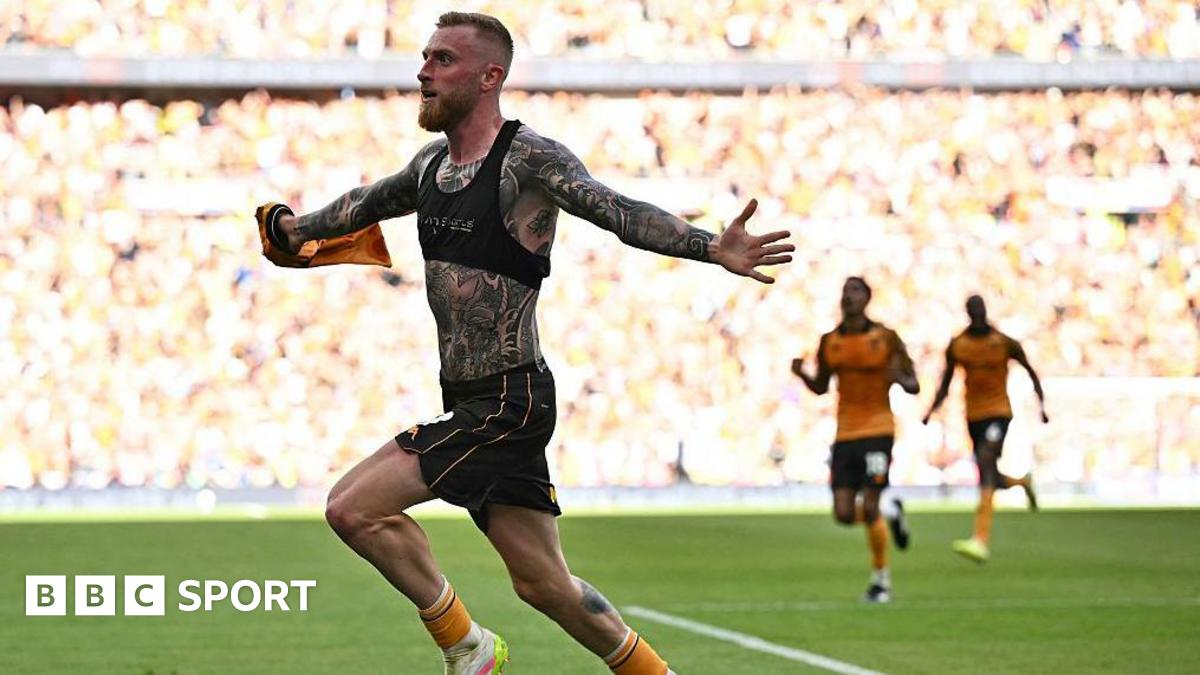
While Conway nurses his surgically repaired ankle, another Scottish striker enjoyed the greatest moment of his club career today. Oli McBurnie scored the dramatic winner in the 95th minute of the play-off final at Wembley. He capitalized on a fumbled cross from Yu Hirakawa, sending the Hull City fans into absolute ecstasy. The goal capped off an incredible season where McBurnie registered 18 goals across all competitions.
Yet, McBurnie will not be traveling to the World Cup either. When Steve Clarke announced his final 26-man squad on May 19, McBurnie's name was glaringly absent. The decision has sparked fierce debate across Scotland, especially in light of Conway's injury. Many fans argue that leaving the country's most in-form striker at home is a massive tactical blunder.
As BBC Sport reported, the veteran striker's omission has divided the Scottish fanbase. Clarke's decision was not based on fitness, but on a complete breakdown in the relationship between the manager and the player. Tensions erupted after McBurnie leaked details of a private phone call concerning his international future, prompting a furious public response from the national team boss.
"I thought that was a private conversation, to be honest. He should not have gone to the media."
Strategic Analysis: Steve Clarke's Loyalty Gamble
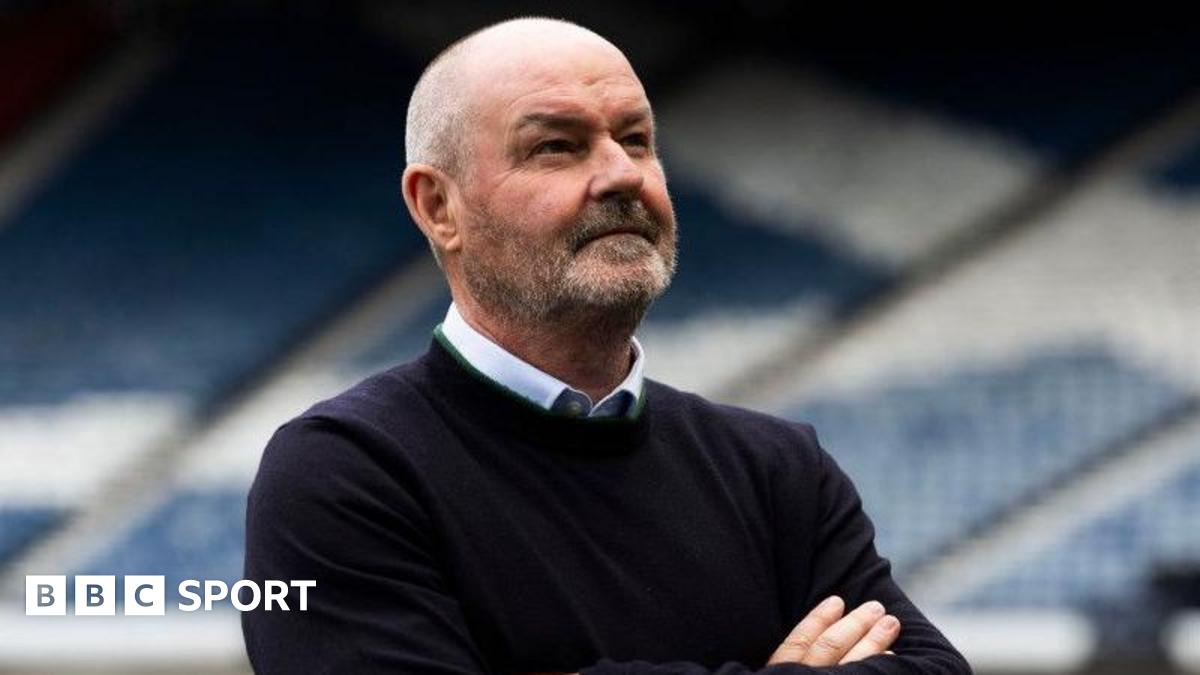
Steve Clarke has built his international reputation on tactical discipline and unwavering loyalty to his core group of players. When Conway was ruled out, many expected Clarke to rebuild bridges with McBurnie to secure an elite goalscoring option. Instead, Clarke doubled down on his trusted selections, preferring players who understand his system inside out.
The forward line selected for the tournament features Che Adams, Lyndon Dykes, Lawrence Shankland, George Hirst, and Ross Stewart. Selecting Ross Stewart represents an extraordinary gamble by the Scotland coaching staff. Stewart has endured a horrific run of muscle injuries over the last two years, playing very little competitive football. Clarke is prioritizing familiarity and dressing room harmony over current match sharpness.
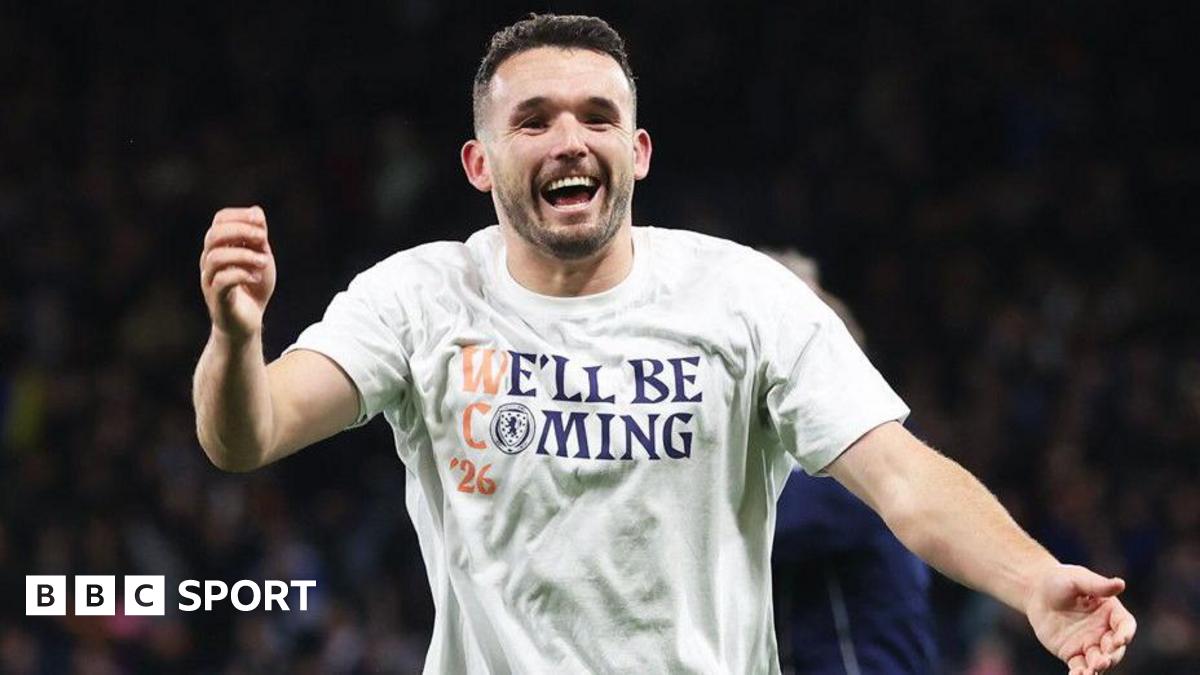
Tactically, this rigid selection policy could severely limit Scotland's options in a brutal group. They face Haiti on June 14, Morocco on June 19, and Brazil on June 24. Conway's energy and diagonal runs would have been perfect for stretching opposition defenses. Without him, and without McBurnie's physical presence, Scotland's attack risks looking one-dimensional and easy to defend against.
Historical Context: Scotland's Striker Curse Strikes Again
International campaigns ruined by striker injuries are a recurring theme in Scottish football history. The national team has frequently traveled to major tournaments with forwards carrying significant fitness concerns. At Euro 2024, squad preparation was disrupted by persistent niggles to key attacking options, which directly contributed to a group-stage exit.
McBurnie's relationship with the national team has been complicated for years. In August 2020, he withdrew from the squad due to a hamstring injury, only to play for Sheffield United in a friendly shortly after. That incident created a lingering sense of distrust among Scotland fans and staff, which has never fully dissipated. The recent phone call leak was simply the final straw in a long history of friction.
Here is how Scotland's striking options have fared in terms of fitness and form leading up to this tournament:
- Che Adams: Fit and starting regularly, but scored only twice in his last eight international appearances.
- Lyndon Dykes: Recovered from a minor calf strain, providing physical presence but lacking recent goals.
- Ross Stewart: Included despite missing most of the domestic season with severe hamstring issues.
- Lawrence Shankland: In excellent domestic form, but unproven against elite international defenses.
- George Hirst: Fit and mobile, but lacks international tournament experience.
Clarke's refusal to adapt his squad selection in the face of Conway's injury is a high-stakes decision. If Scotland struggles for goals in the United States, the manager will face intense criticism for leaving the Wembley hero behind. For now, Conway begins his long road to recovery, while McBurnie prepares for the Premier League, both watching the World Cup from afar.
Read Next
- Oli McBurnie just saved Hull City from Championship purgatory
- Hull and Middlesbrough are about to play the most controversial final ever
- Why Hull City's tactical wall will break Middlesbrough's Wembley hearts
- Middlesbrough's backdoor Wembley trip meets Hull City's tactical wall
- 🏆 World Cup 2026 — Full Coverage Hub
- 🏴 Scotland World Cup 2026 — Tartan Army Hub
- 🇧🇷 WC 2026 Group C — Brazil, Morocco, Scotland, Haiti