The Anatomy of Disputed Results
Football lives in the gray area between the letter of the law and the reality of the pitch. These ten moments define the ongoing conflict between officials, players, and the need for structural transparency.
10. The Slattery Simulation Precedent
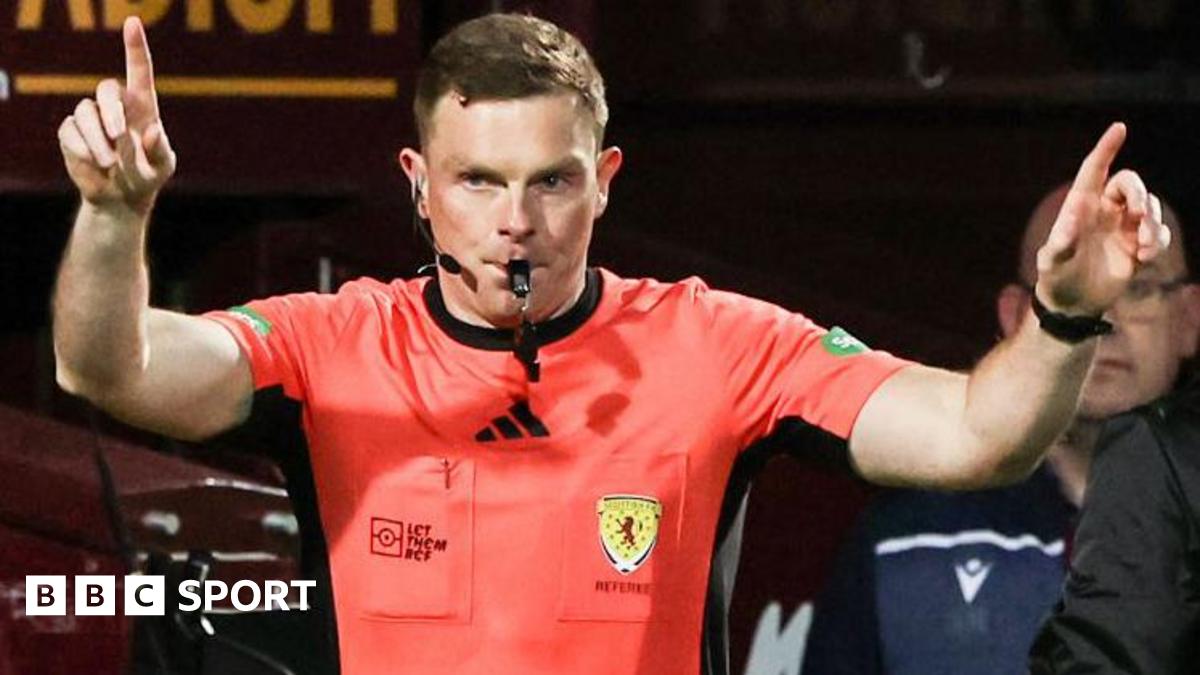
Motherwell manager Jens Berthel Askou recently demanded consistency following Callum Slattery's four-game ban for simulation. The intent behind the punishment is clear, but the application remains uneven across the league. As BBC Sport reported, the league must decide if this is a systemic change or an outlier event. Without standardized video reviews for similar offenses, this ban feels like a singular target rather than a genuine shift in culture.
9. Premier League Hand-Ball Ambiguity
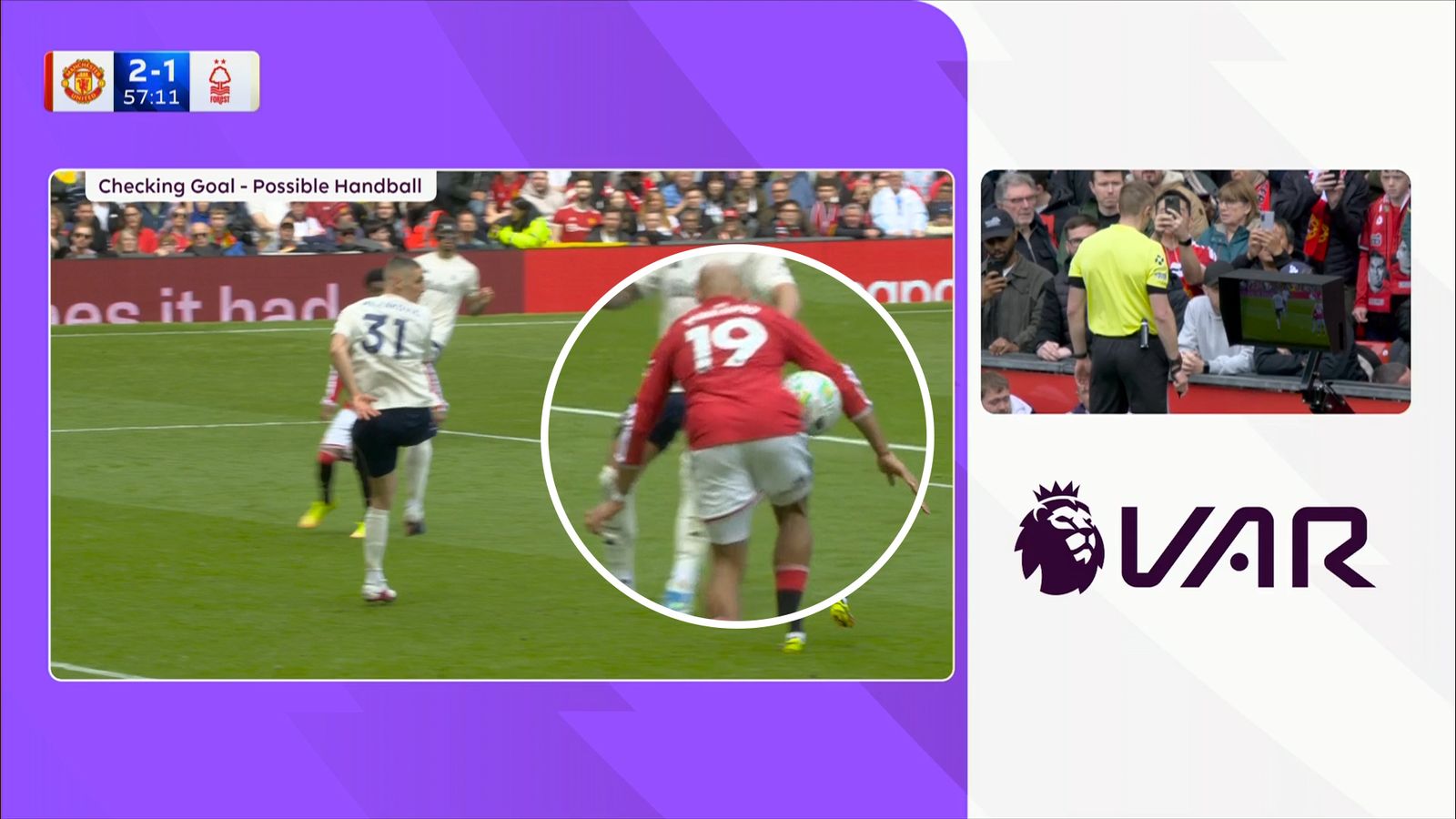
The 2026 season has been defined by the chaotic interpretation of natural arm positions. Referees are often guessing, leading to inconsistent penalties that decide matches in the 95th minute. It is hard to argue that the game is safer when officials struggle to define what constitutes a foul. The lack of clarity turns games into coin flips for managers.
8. Tactical Fouling at Midfield
Top-tier teams now execute tactical fouls with clinical precision to stop counters. This cynical strategy kills momentum and should be a card every time, but referees often keep the cards in their pockets until the second half. It remains a stain on the game that rewards professional sabotage over skill. Tactical discipline should not include grabbing a shirt to reset a defensive line.
7. The Subs Bench Bloat
Managers using all five substitutes as a way to slow down the clock has become an epidemic. The stoppage time added is never commensurate with the actual time lost during these disjointed changes. While it prevents player burnout, it ruins the flow of the final twenty minutes of tight matches. The game is becoming a marathon of restarts instead of an endurance test of play.
6. Goalkeeper Time-Wasting
Every goalkeeper in the top leagues has mastered the art of the slow walk to the ball. They routinely eat 30 seconds on goal kicks without seeing a single warning from the referee. The six-second rule is essentially dead, functioning more as a suggestion than a regulation. We need strict enforcement of time-wasting penalties to keep matches moving above a crawl.
5. VAR Decision Transparency
Waiting three minutes for a linesman to calibrate digital offside lines kills the atmosphere in stadiums. Fans in the stands are left in the dark while officials in booths deliberate over pixels. Rugby’s approach of mic-ing up the referee is the only path forward. We deserve to hear why a goal is overturned in real-time instead of relying on post-match apologies.
4. Player Academies vs. Transfer Spend
The reliance on massive transfer fees over homegrown talent has created a massive parity gap. Smaller clubs cannot compete with those who treat youth academies as disposable assets. When talent becomes a commodity to be bought rather than developed, the soul of the sport wears thin. The financial disparity has reached a point where competition is secondary to capital.
3. The Schedule Congestion Crisis
Players are being forced into a schedule that makes quality performances physically impossible. By the time the UCL knockouts arrive, most squads look like MASH units rather than elite athletes. Leagues must coordinate dates better to prevent the product on the pitch from deteriorating further. Expecting the same eleven players to play three times a week is a recipe for long-term injuries.
2. The Simulation Paradox
Players clearly flop to secure an advantage, but they know exactly how the officiating works. Because referees are prone to errors, players play the odds rather than the ball. It is a feedback loop where bad officiating incentivizes worse behavior from attackers. Until a dive leads to an automatic reversal of a decision, expect more theatrics.
1. The Authority Gap
The most defining problem of the modern era is the erosion of refereeing authority. Players constantly swarm officials, and the lack of yellow cards for dissent is baffling. Without a strong central authority to enforce the rules, the game creates situations like the Slattery incident. It is not just about the rules; it is about who holds the power on the pitch.
The Big Picture
Football's current trajectory prioritizes the optics of control over the actual flow of competition. Until the governing bodies prioritize transparency and consistent officiating, these weekly controversies will keep dominating the conversation.
Honorable Mentions
Variable pitch quality, the lack of standardized ball-tracking integration, and the inconsistent red-card threshold for high boots.