The Big Picture: High-Stakes Football
Legacy in football is built through singular moments of audacity. As we approach the 2026 FIFA World Cup, we review the incidents that reset our expectations for player performance and tactical execution.
1. The Rise of Lamine Yamal
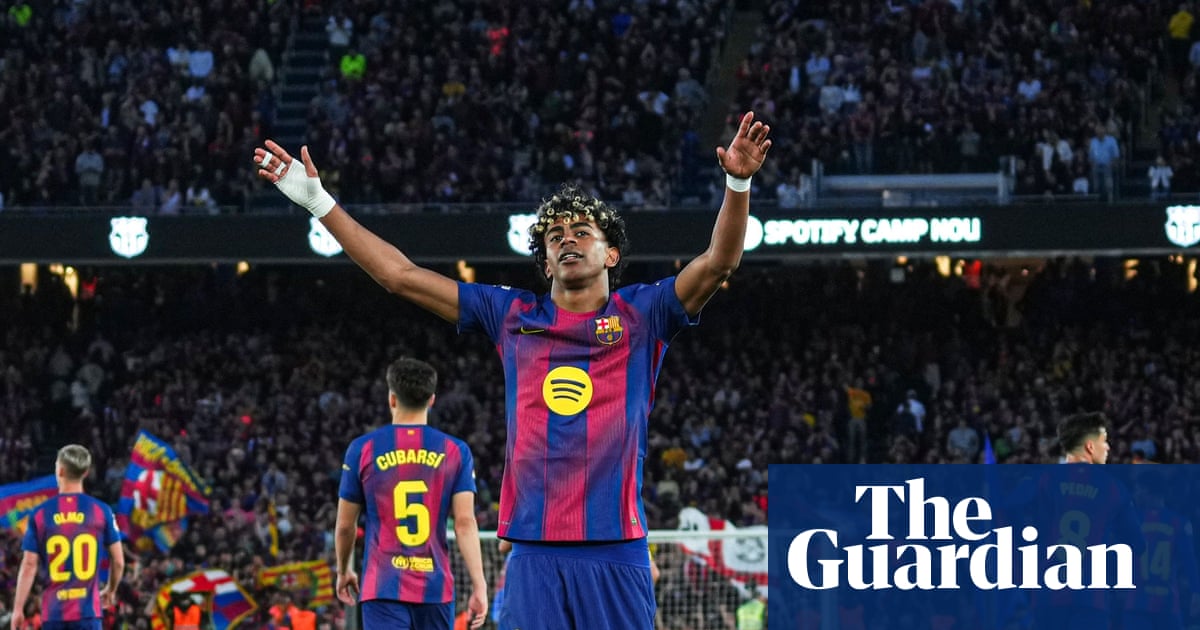
Lamine Yamal’s emergence at Barcelona is the most significant youth development story in a decade. After tallying double-digit assists in La Liga throughout the 2025-2026 season, he is now projected to carry the weight of Spain’s attack. His pace on the wing forces defenders into impossible recovery sprints, fundamentally altering how opponents organize their defensive blocks.
Patrice Evra recently weighed in on the hype, suggesting he possessed the physical tools to contain the teenager during his prime. While Evra’s bravado is typical of former pros, this claim highlights a recurring theme: established veterans struggling to reconcile their past dominance with the blistering speed of modern academy products. As The Mirror reported, the comparison to Messi and Ronaldo at such a tender age is a heavy burden, yet Yamal seems to ignore the scrutiny entirely.
2. Real Madrid’s Champions League Tactical Masterclass
Real Madrid dominated the recent European campaign by rotating defensive identities. Carlo Ancelotti proved that flexibility beats a fixed style. They didn't just win games; they suffocated high-possession opponents by dropping into a low-block that operated with clinical precision in transition.
The efficiency of their counter-attacks showed why rigid tactical adherence is often a weakness. Opponents were forced to overcommit, leading to a turnover rate that punished even the most disciplined squads. It remains the gold standard for adaptive coaching in the 2026 cycle.
3. The Professionalization of Technical Analysis
Data science has finally overtaken boardroom intuition in recruitment. Clubs are no longer buying names; they are buying micro-metrics like expected threat per pass. This shift explains why smaller clubs are increasingly competitive in transfer windows.
Smart scouting departments have replaced traditional scouts with algos that identify undervalued assets early. It is a win for efficiency but a drain on the romanticism of the game. Statistical obsession often ignores the human element of locker room chemistry.
4. Manchester City’s Tactical Reinvention
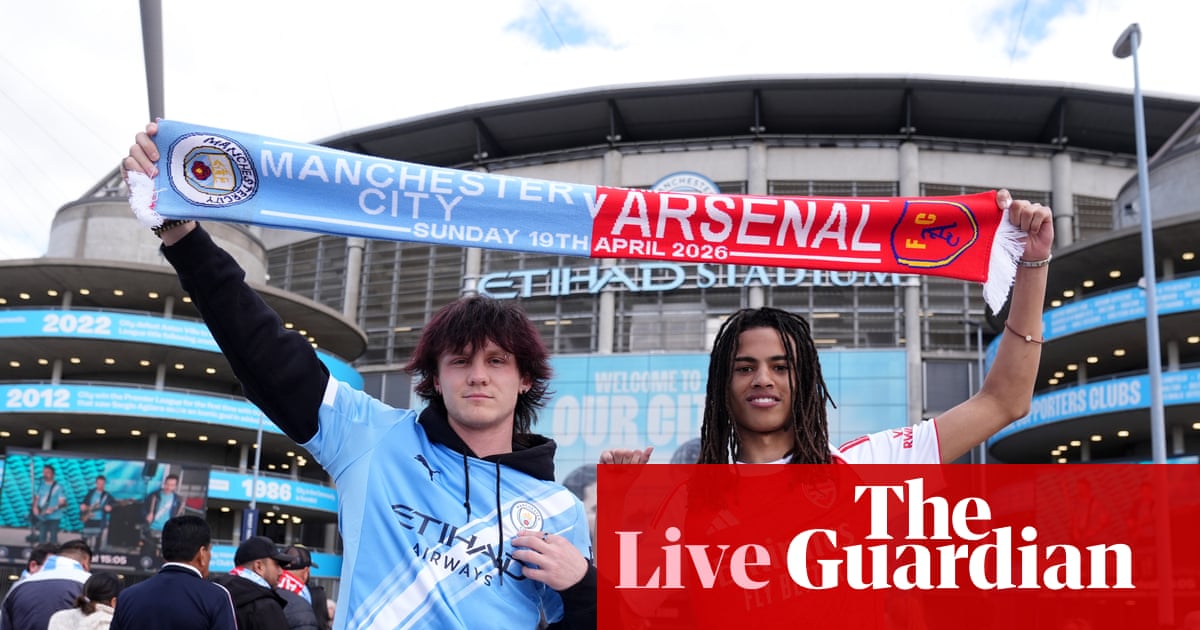
Guardiola moved away from the false nine to a more traditional target-man reliance this past season. This proved that even the most innovative managers must return to physical basics to beat low-block desperation. The heavy dependence on aerial duels was a noticeable departure from the tiki-taka roots.
This pivot allowed them to break open locked games in the 82nd minute. While critics argued it lacked style, the results show it was a prerequisite for deep trophy runs. It is not always pretty when the scoreline is narrow.
5. The Premier League’s Officiating Crisis
Consistent errors from the video assistant referee desk have turned match threads into minefields of vitriol. The discrepancy between on-field decisions and remote VAR interventions is objectively bad for the spectator experience. Games are stalling for minutes as technology attempts to parse subjective fouls.
Fans are tired of the wait times. We need a faster adjudication process or a return to trusting the ref’s initial call. The inconsistency at the top creates a genuine lack of competitive integrity that the league struggles to contain.
6. The Saudi Pro League’s Talent Migration
The influx of European talent into the Middle East hit a speed bump this year. While the money remains high, the competitive incentive to move before the age of thirty has cooled significantly. The league is currently struggling to build a truly global brand despite the massive capital expenditure.
Top-tier players are now taking shorter, contract-heavy deals instead of settling permanently. It is a business attempt at building a legacy, but the culture gap is wider than anticipated. Money alone cannot manufacture football history.
7. The Rise of the Wide-Playmaker
The traditional winger is dead, replaced by the inside cutter who dominates the half-spaces. Coaches now prioritize players who can operate in tight corridors near the byline. This shift has forced fullbacks to become auxiliary midfielders just to maintain defensive shape.
Versatility is no longer a luxury; it is a baseline requirement. If you cannot track back and progress the ball through the press, you don't feature in top-tier lineups. It is a demanding role that shortens the productive careers of many athletes.
8. The Decline of Set-Piece Purity
Clubs are turning set-pieces into choreographed routines involving complex screens and blocks. While effective, it ruins the flow of open-play football. It has reached a point where certain teams prioritize winning corners over scoring from sustained possession.
It feels like a gimmick rather than an evolution. We watch for the skill of the dribble, not the cleverness of a shoulder-check in the penalty area. Purists are rightly annoyed by this creeping artificiality.
9. Goalkeepers as Midfielders
The modern keeper now touches the ball more than some fullbacks. Playing out from the back is a prerequisite, not a style choice. Errors made in the penalty area are now just part of the risk-reward calculation.
When a goalie misplaces a pass and concedes, it feels inevitable. But when it works, it creates an overload that prevents the opponent from pressing effectively. It is a gamble that defines modern football's obsession with control.
10. The Return of the Defensive Block
After years of high-pressing madness, teams are returning to the compact 4-4-2. Stability is back in vogue as coaches try to prevent the chaotic transitions that defined 2024-2025. It is less exhilarating to watch, but it cuts down on the individual defensive blunders that cost games.
Watching a team settle into a low-block is tactical, though arguably dull. It creates a stalemated match that forces the attacker to produce individual miracles. That is exactly what makes players like Yamal so valuable.
Honorable Mentions
The increasing prominence of injury management protocols and the quiet expansion of the Club World Cup squad lists. Both will dictate the success of national teams in the coming month before the international tournament begins on June 11, 2026. Watch for how tired legs handle the June heat.