The Enforcers of the Beautiful Game
The intersection of policing and football has hit a volatile inflection point. Whether it is protecting officials from vitriolic mobs or managing club-level discipline, the line between on-field officiating and real-world safety has blurred. These ten moments and roles capture how authority figures grapple with the pressure of the modern game.
The Rankings
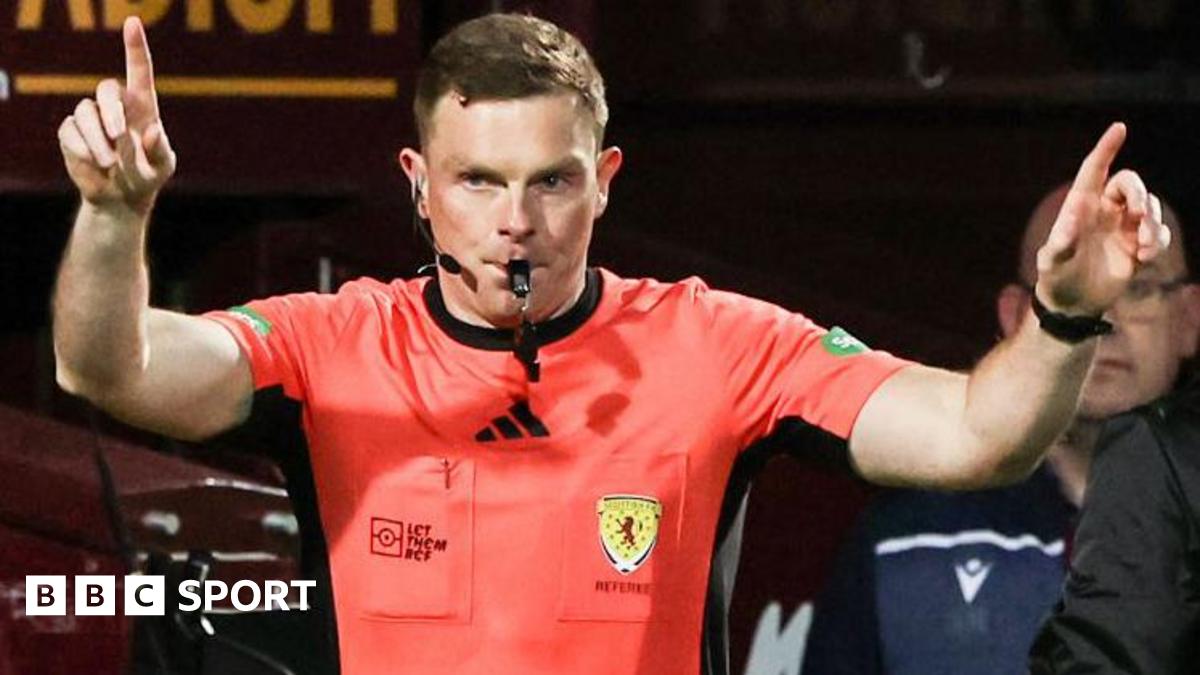
- John Beaton: The High-Stakes Target
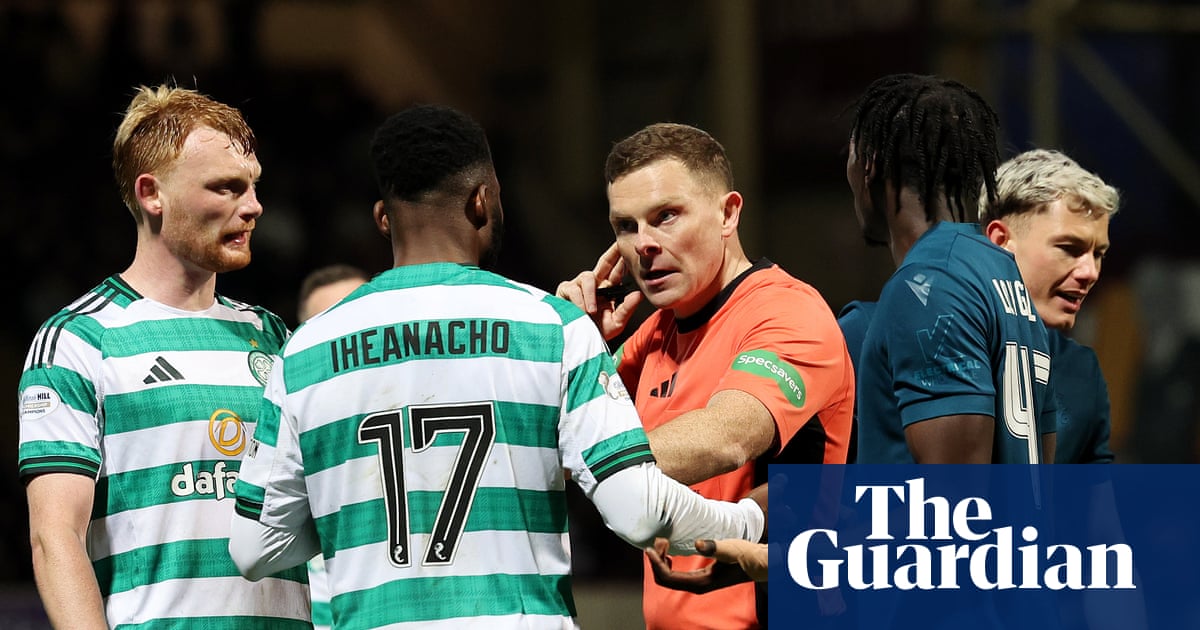
Referee John Beaton currently sits at the top of the list for all the wrong reasons. After awarding a 96th-minute penalty to Celtic against Motherwell, Beaton saw his personal data leaked online, forcing him and his family into police surveillance. The Scottish Football Association slammed the ensuing media narrative as hysterical, highlighting the massive stakes of a title race. This entry ranks first because it marks a dangerous escalation where a referee requires state protection for a subjective VAR call. - The Scottish FA: Crisis Management
The SFA finds itself at number two for its aggressive response to the harassment of its officials. By calling out the media and managers like Derek McInnes directly, they have attempted to regain control of the narrative. Their public stance serves as a defense against the toxic environment that turned a penalty decision into a criminal inquiry. It is a necessary, albeit rare, instance of a governing body actually pushing back against the mob. - The Arrested Party: Data Leak Culprit
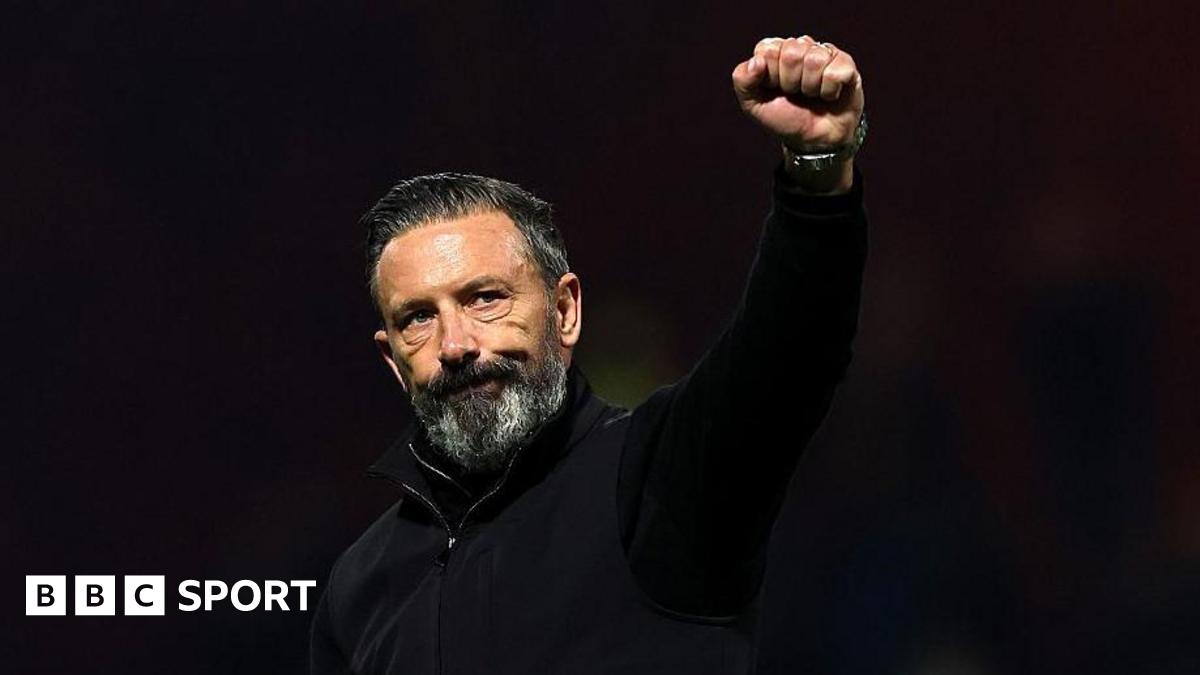
Police confirmed that a man has been arrested in connection with the leak of Beaton’s private information. This action serves as the only real deterrent for those who believe targeting a referee's home is a valid form of protest. Ranking third, this arrest represents the blunt force required to stop personal intimidation. Without this legal intervention, the cycle of online threats hitting the real world would likely accelerate. - Derek McInnes: The Agitator
The Hearts manager landed in hot water for labeling a referee decision as disgusting. While managers are expected to defend their teams, the SFA clearly believes McInnes helped pour gasoline on a fire that grew into a threat to safety. He ranks fourth for the irresponsible impact his comments had on an already volatile fan base. His rhetoric provides a case study in why post-match critiques need a filter. - Ruben Amorim: The Internal Enforcer
Transitioning from literal police to managerial discipline, Amorim’s tenure at Manchester United provides a clinical view of internal hierarchy. His decision to isolate players like Kobbie Mainoo highlights the ruthless nature of modern coaching. Mainoo eventually spoke on the difficulties he faced, proving that even at the highest levels, internal policing determines success. Amorim’s style remains a point of contention for those who value squad harmony over pure meritocracy. - Bruno Fernandes: The Locker Room Captain
Fernandes effectively acts as the player-policeman for Manchester United. Tasked with integrating young talent like Ayden Heaven after his move from Arsenal, Fernandes uses his seniority to keep players in their place. This isn't just leadership; it is social policing within the squad. He ranks here because he maintains the culture that the manager demands, often through tough love. - Ayden Heaven: The Rookie Correction
Heaven exemplifies the adjustment phase for any young footballer entering a high-pressure environment. After joining United, he received a harsh baptism from teammates who were not afraid to tell him exactly where he stood. This internal peer policing is standard at top clubs but remains brutal for teenagers. He deserves this spot for navigating a culture that demands instant maturity or instant exit. - Kobbie Mainoo: The Survivor
Mainoo’s return to form after his time in exile under Amorim is a testament to resilience, but his story is also a warning. Being snubbed by a former boss tests a player’s commitment to the team ethic. He ranks eighth because he represents the byproduct of a club’s internal discipline process. His eventual return shows that even after being frozen out, players must self-police their performance to survive elite environments. - The VAR Room: The Digital Umpire
The technology that effectively caused the Beaton fallout is the most controversial off-field police force in the game. By trying to achieve perfect consistency in 96th-minute calls, the system has created more friction than it resolved. It ranks ninth because it is a system-based authority that lacks the human nuance required to prevent post-match chaos. People are losing faith in the machine faster than the machine can be updated. - Matchday Police Officers: The Ground-Level Beat
Often unnoticed until a pitch invasion or riot occurs, on-the-ground officers remain the final failure-state protocol. Without them, the game cannot exist in a public space. They rank last not due to lack of importance, but because their role is constant, expected, and reactionary. They turn out to keep the peace when the passion of the crowd spills over into reality.
Honorable Mentions
The VAR officials who sit in the truck on a Saturday; the social media moderators who (rarely) scrub threats; and the players who act as buffers between fans and teammates. These roles form a necessary, if messy, layer of control required to keep the sport upright.