The chase for Xabi Alonso defies current performance metrics
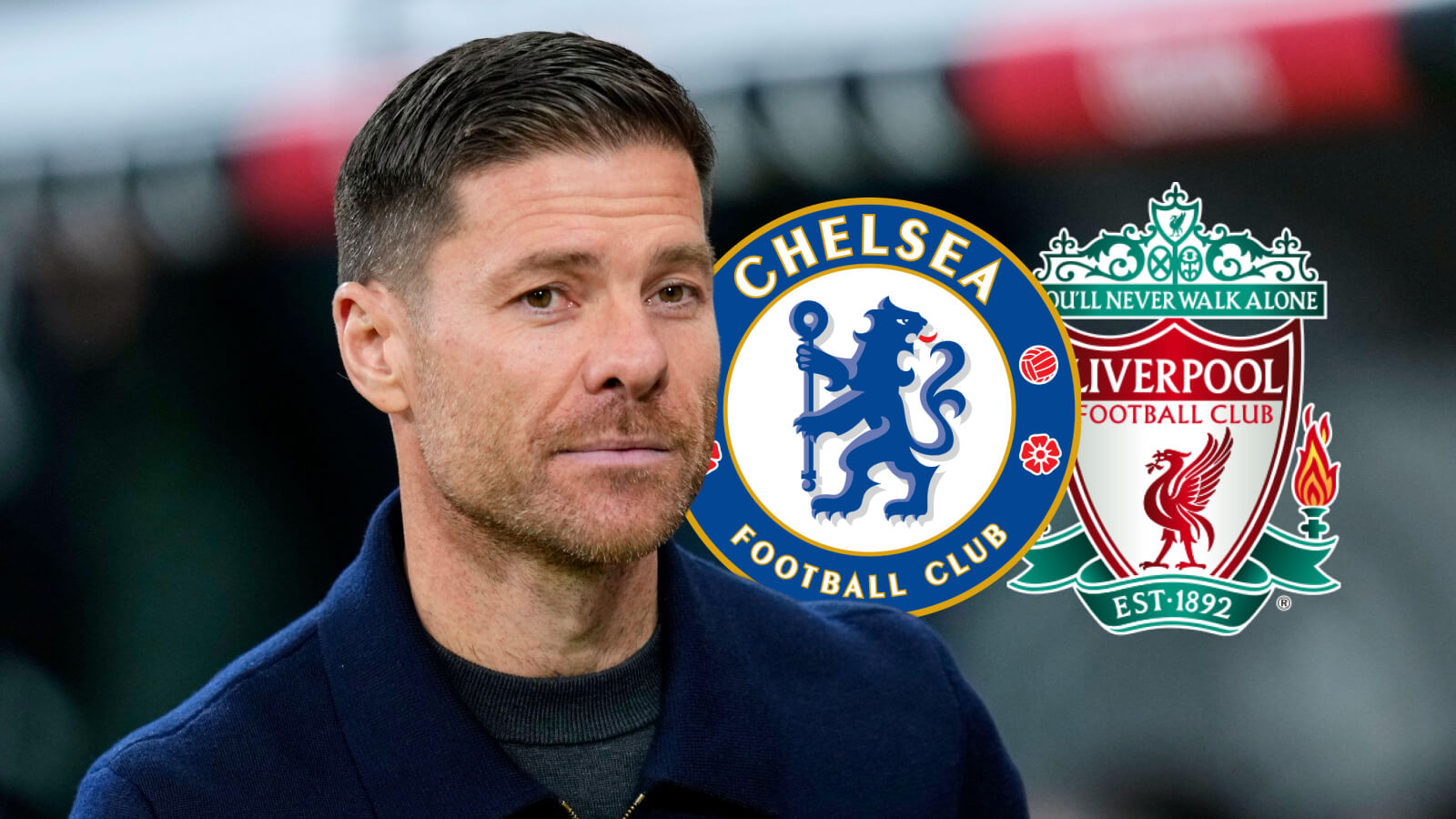
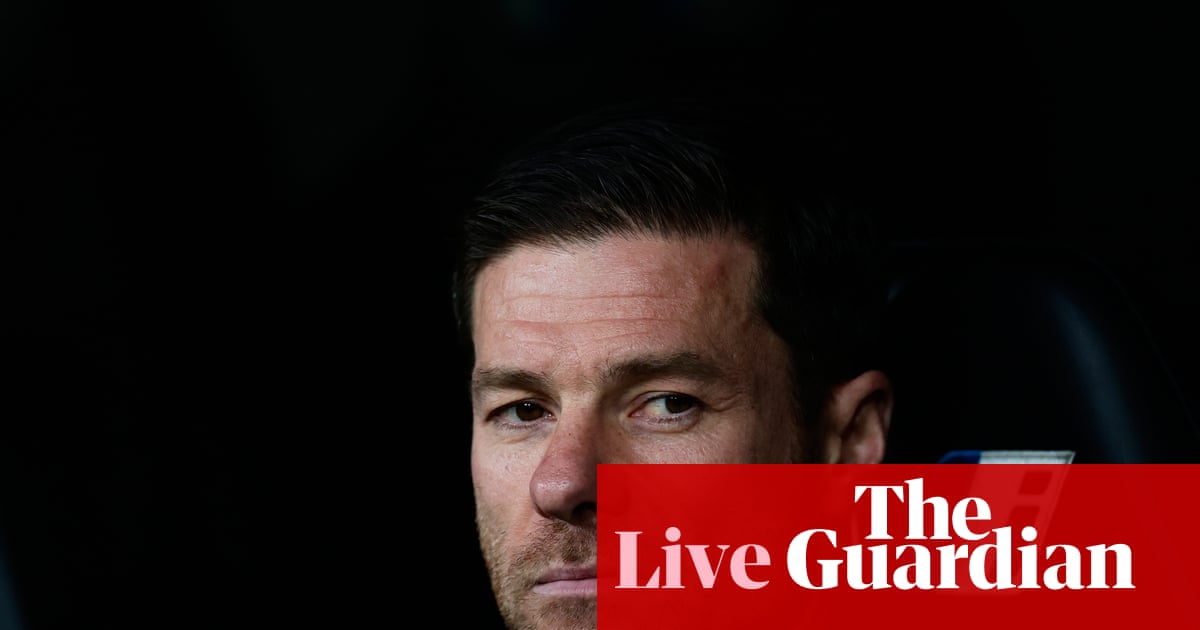
Europe’s elite clubs are currently disregarding standard coaching selection criteria to chase Xabi Alonso. As reported by FourFourTwo, Liverpool have received clearance to pursue their former midfielder as he approaches a decision on his next career move. This pursuit mirrors the aggressive outreach from London, where Chelsea have also secured the green light to court the Spaniard.
The competition is fundamentally irrational given the lack of consistent long-term data at the highest level. Clubs are betting on a singular tactical identity rather than a historical sample size, effectively inflating the market value of a lead coach before the summer window even opens. While these boards hunt for a savior, their current squads are dealing with immediate, quantifiable crises.
Liverpool's tactical misalignment under Arne Slot
Liverpool currently face a high-pressure Friday fixture against Aston Villa, yet their success is clouded by fitness data. According to recent injury reports from internal club briefings, Mohamed Salah and Florian Wirtz remain primary concerns for Arne Slot. The team is currently desperate to secure a top-five finish, a drop-off that highlights the instability of their current campaign.
Slot’s reliance on specific personnel to maintain tactical width has left his side vulnerable to localized drops in xG creation when those stars are sidelined. Relying on an 80 percent passing accuracy in the final third is insufficient for a squad chasing Champions League qualification. If the underlying data for Wirtz shows a decline in progressive carries over the last month, Liverpool’s top-five pursuit could stagnate entirely.
Milan’s structural shift and the D’Amico experiment
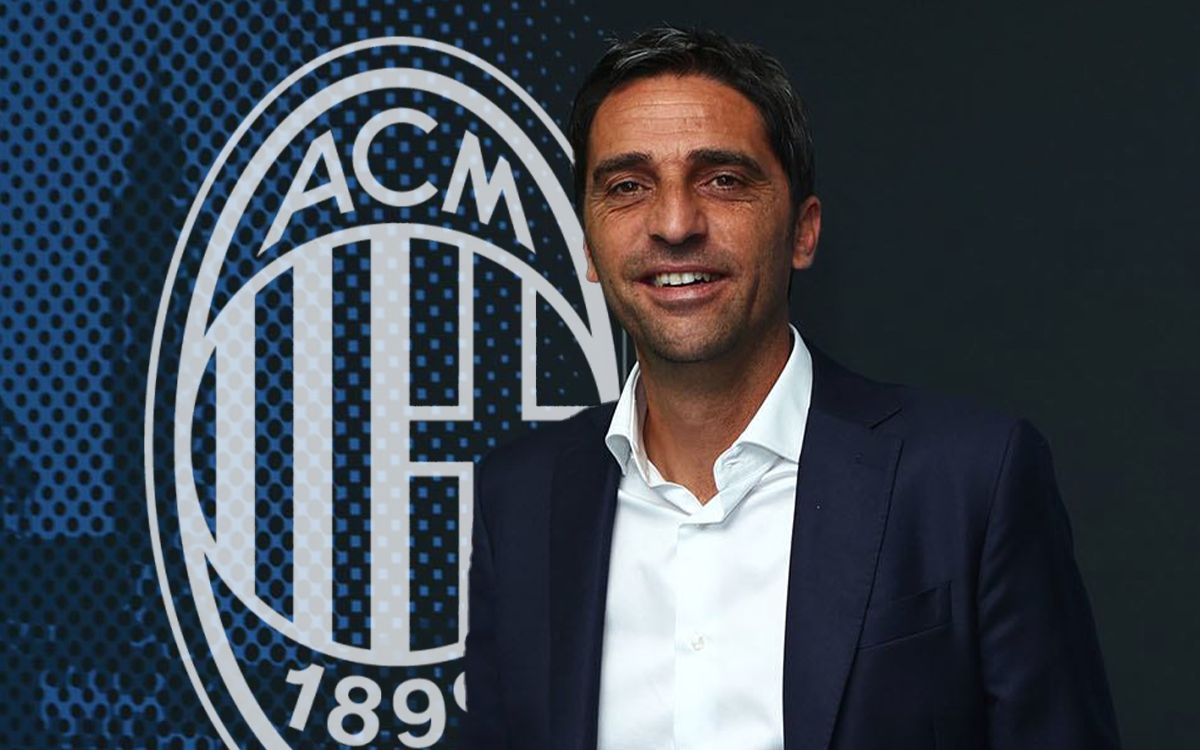
While the Premier League fixates on coaching musical chairs, AC Milan are moving toward internal structural reform. Reports suggest that Gerry Cardinale has provided the authorization for Andrea D’Amico to integrate into the club's administrative hierarchy. As detailed by Sempre Milan, the move involves five distinct phases of restructuring intended to optimize scouting reach.
This is a pivot away from the player-centric morale models favored during the Zlatan Ibrahimovic era. Lorenzo Colombo, now operating at Genoa, recently reflected on the technical limitations of playing alongside a declining veteran vanguard. The transition from Ibrahimovic’s leadership style to a data-first administrative approach has seen Milan struggle to maintain a consistent points-per-game average, hovering near 1.7 across the current Serie A term.
The hidden cost of Old Trafford's aggression
Manchester United’s recent efforts to overhaul their roster reveal a dangerous dependency on single-player acquisitions to solve systemic tactical flaws. Their pursuit of West Ham’s primary playmaker has seen a rapid response from the player’s representatives, as reported by FourFourTwo. Bringing in a high-volume carrier of the ball represents an attempt to fix a 24 percent deficiency in transition attacking efficiency observed across the last dozen matches.
However, importing individual talent into a disjointed formation rarely yields a 15 percent improvement in total points unless the tactical structure changes concurrently. Manchester United remain stuck in a cycle of tactical reactionaryism, paying market premiums for assets that do not improve their defensive transition numbers. If this transfer moves forward, the club is banking on a high-ceiling output that contradicts their existing shot-conversion profile of 9.2 percent.
The current market trajectory suggests that front offices are ignoring the reality of their failure to build repeatable processes. Whether it is Liverpool’s obsession with a familiar face for the dug-out or Manchester United’s desperate pursuit of a singular playmaker, the numbers indicate a trend toward short-term optics rather than sustainable tactical evolution. Managing a club by chasing big-name ghosts is arguably the most efficient way to ensure a fifth-place finish remains the ceiling.