The Big Picture
As of April 16, 2026, the European football calendar has reached a point of absolute attrition. Between the expanded Champions League format and the looming World Cup in North America, players are hitting a physical wall that is reshuffling title races and transfer priorities across the continent. Liverpool’s recent collapse against PSG serves as the definitive case study for how one snap of a tendon can derail an entire project.
10. The Psychological Recovery Wall
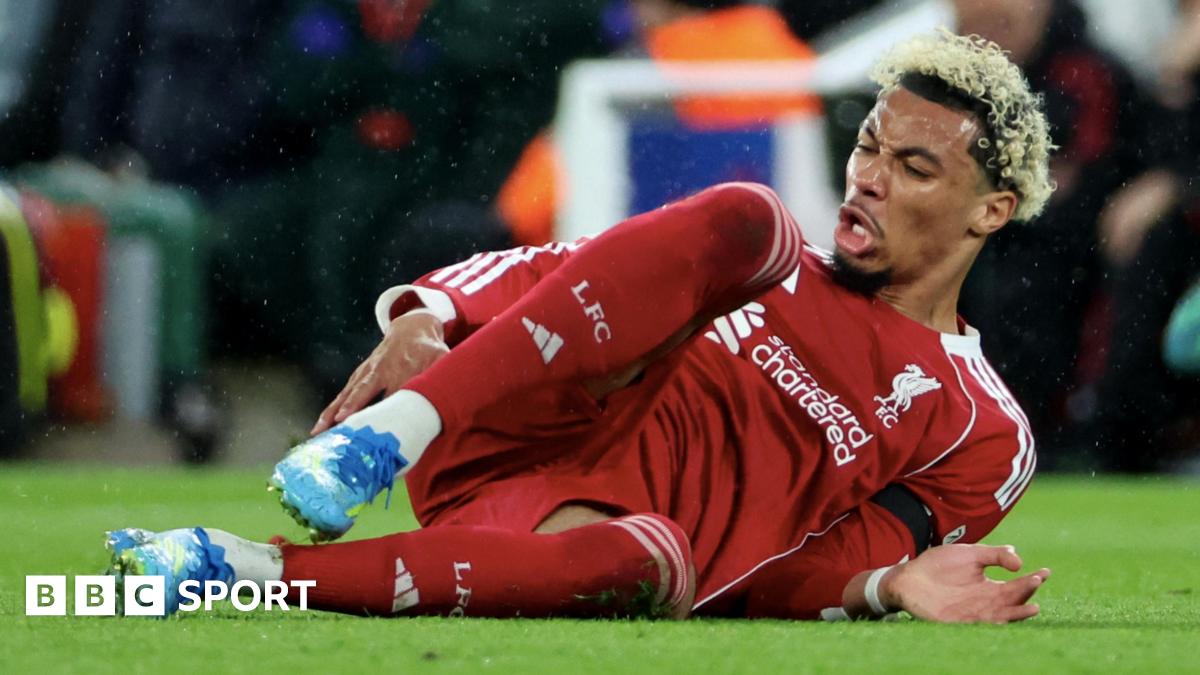
Physical healing is only half the battle, a fact highlighted by former teammates of Hugo Ekitike who have voiced their concerns regarding the mental toll of a ruptured Achilles. When a player suffers an injury off the ball, as Ekitike did during the midweek defeat to PSG, the road back is often paved with a specific fear of trusting one's own body again. Sources close to the player suggest the recovery will take at least 12 months, but the immediate concern is the loss of confidence that usually follows such a traumatic structural failure. Liverpool will need to invest as much in the player’s mental state as they do in his physiotherapy if they expect him to return to his previous ceiling.
9. Chelsea’s Tactical Stabilization
Levi Colwill is finally set for a significant step in his injury recovery, providing a rare piece of positive news for a Chelsea side that has struggled for defensive consistency. The center-back has been sidelined during a period where the Blues have looked disorganized in transition, and his return to training marks a shift in their ability to play a higher line. Reports from Cobham indicate that while he won’t be rushed back for this weekend’s fixtures, his presence in full-contact drills is a massive boost for a squad looking to salvage European qualification. Colwill’s availability allows Chelsea to pivot back to a more aggressive pressing style that was abandoned during his absence.
8. The New Champions League Tax
The 2025-26 season has been the ultimate stress test for the new European format, and the results are increasingly found on the treatment table. With more high-intensity matches scheduled into the midweek slots, teams like PSG and Liverpool are seeing a spike in non-contact injuries that suggest cumulative fatigue is reaching dangerous levels. We are seeing a trend where the technical quality of the Quarter-Finals is being compromised because squads are simply too thin to maintain the required physical output. It is a damning indictment of the current scheduling that the world's best players are breaking down just as the trophy season begins.
7. Massimiliano Allegri’s Milan Grind
At AC Milan, the injury situation is being exacerbated by Massimiliano Allegri’s refusal to deviate from his rigid tactical doctrine. The Italian coach has been publicly criticized for a lack of rotation, leading to a roster that looks physically spent heading into the final month of the campaign. The distance between the management's expectations and the actual fitness of the squad has reached a breaking point as of April 16, 2026. If Milan fail to secure their objectives, the finger will be pointed directly at a training regime that many insiders feel is outdated for the modern game’s speed.
6. The Mid-April Hamstring Peak
Statistical data from across the top five leagues shows a massive surge in muscular tears during this specific week of April. This is the period where the cumulative load of 45-plus matches meets the rising temperatures of spring, creating a perfect storm for soft-tissue failures. We are seeing key starters at clubs like Manchester City and Arsenal being pulled before the hour mark as a preventative measure, which fundamentally changes the tactical flow of the title race. Managing these micro-injuries has become more important than actual tactical drills for coaches who are terrified of losing their stars for the run-in.
5. The Champions League Semi-Final Void
With the UCL Semi-Finals set to kick off on April 28, 2026, several top-tier sides are facing the prospect of playing their biggest games of the year without their primary goal threats. The elimination of Liverpool was sealed not just by their 2-0 loss to PSG, but by the realization that their attacking depth has been gutted by recent medical reports. Teams that have prioritized squad depth over marquee signings last summer are the ones now reaping the rewards as their rivals struggle to fill the bench. The disparity between the 'haves' and 'have-nots' in terms of medical department efficiency is becoming the deciding factor in who reaches the final in May.
4. The French National Team Vacuum
Didier Deschamps is facing a genuine selection crisis only 56 days before the 2026 World Cup kickoff. The loss of Hugo Ekitike is a massive blow to a French attack that relied on his specific profile to link play between the midfield and the veteran forwards. With the striker officially ruled out for the tournament, France must now scramble to find a replacement who can replicate his tactical discipline on such short notice. This injury doesn't just hurt Liverpool; it shifts the betting odds for the entire World Cup, as one of the favorites loses a key cog in their offensive machine.
3. The World Cup Fear Factor
Every tackle made in the Premier League and La Liga right now is being viewed through the lens of the June 11 World Cup kickoff. Players are visibly hesitating in 50-50 challenges, terrified that a mistimed block could cost them a once-in-a-lifetime trip to the United States and Mexico. This psychological shift is leading to more passive defending, which in turn is inflating scorelines across Europe as attackers find more space than usual. The 'self-preservation mode' is a real phenomenon that coaches are struggling to combat as the international deadline approaches.
2. Liverpool’s Defensive Pivot
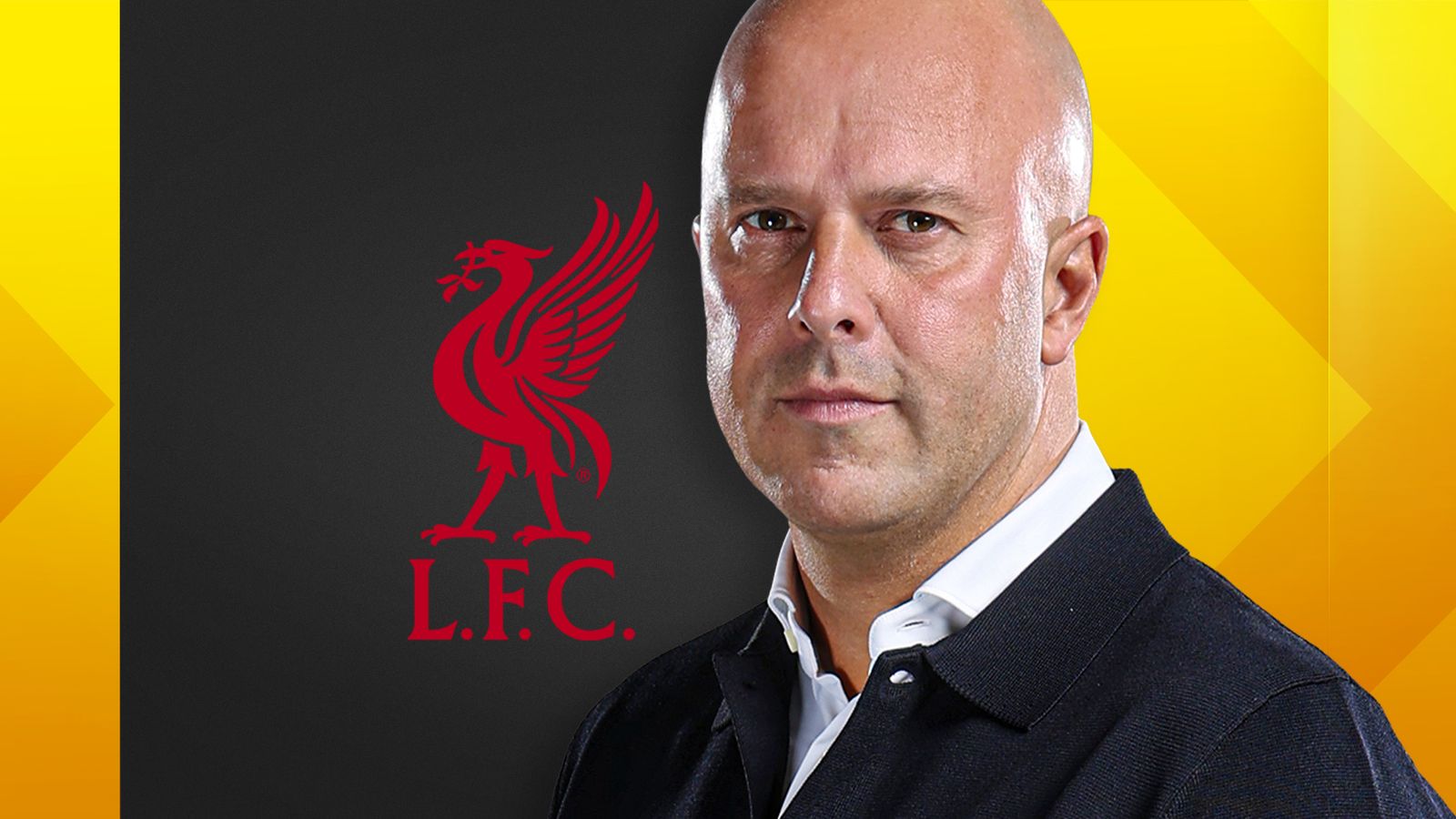
The injury crisis at Anfield has forced Richard Hughes and Michael Edwards to accelerate their summer transfer plans, specifically targeting Bournemouth’s Marcos Senesi. With the current defensive unit described by Tier 2 sources as 'leaky' and overstretched, the club is reportedly initiating contact to gauge the viability of a move before the window even opens. As The Mirror reported, the challenge for Arne Slot is now to finish a season that will end without silverware while rebuilding a broken squad. Senesi represents a strategic shift toward more durable, high-volume defenders who can survive the rigors of a multi-front campaign.
1. The Hugo Ekitike Achilles Rupture
The most devastating injury of the season occurred in the 87th minute of Liverpool’s Champions League exit against Paris Saint-Germain. Ekitike’s non-contact rupture of his Achilles tendon is a catastrophic event that ends his season and his World Cup dreams in a single second. Liverpool confirmed the extent of the damage via a devastating statement following a midweek scan, and the repercussions for the club are massive. This isn't just a player being out; it's the end of Liverpool's tactical identity for the remainder of the year and a forced rethinking of their entire forward line for the next twelve months.
The Fallout
The news cycle on April 16, 2026, is dominated by medical updates rather than tactical innovations. Liverpool's season is effectively over from a trophy perspective, and the focus has shifted entirely to how they can rebuild a squad that has been decimated by structural injuries. Honorable mentions go to the staff at PSG, who managed to navigate a high-intensity tie with relatively few knocks, and the medical team at Chelsea, who finally seem to be making headway with Levi Colwill’s long-term fitness.
Read Next
- Liverpool's transfer plans in chaos after Ekitike's horror injury
- Liverpool leading the race for Marcos Senesi as summer transfer plans take shape
- Iraola walks, Leicester panic, and Chelsea prepare for another summer of chaos
- Liverpool’s title race just hit a massive French-shaped wall
- 🏆 World Cup 2026 — Full Coverage Hub