The Big Picture
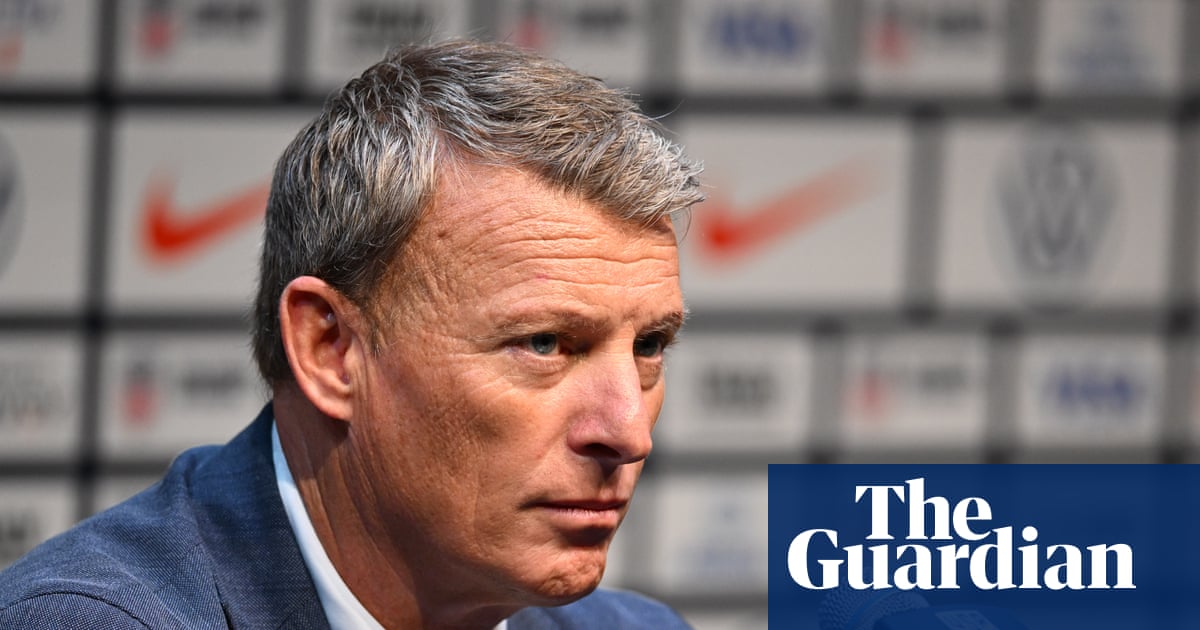
Matt Crocker’s tenure as US Soccer’s sporting director has been a high-stakes experiment in applying elite European structural logic to an American system often paralyzed by its own bureaucracy. He has spent more on coaching salaries than any of his predecessors, successfully hunting down the biggest names in the global game. Yet, his legacy remains a split-screen reality: a rejuvenated women’s program and a men’s side still shaking off the debris of a wasted 2024. As The Guardian reported, Crocker’s impact is defined by these mid-to-long-term plays that are only now beginning to yield real-world data.
10. The 2025 Gold Cup Depth Test
Crocker pushed for a controversial B-team approach to the 2025 Gold Cup, prioritizing player rest for European stars over immediate regional silverware. This move exposed a glaring lack of technical quality in the domestic MLS pipeline, as the US struggled against disciplined CONCACAF opponents. Critics lambasted the decision as arrogant, but Crocker stood by the data, arguing that overworking the core roster was a greater risk to the 2026 project. It was a moment of pure sporting director cold-bloodedness. It ranks low because while the logic was sound, the on-field product was nearly unwatchable for the home fans.
9. The Infrastructure Overhaul in Atlanta
Moving the federation's headquarters to Atlanta wasn't just about real estate; it was about centralizing the high-performance culture Crocker brought from Southampton. He brought in sports scientists and data analysts who speak a different language than the old-school scouts who previously dominated the halls. This shift has created a unified 'US Soccer Playbook' that dictates how every youth team plays, from the U-14s to the senior squads. It’s the kind of boring, backroom win that makes sporting directors sleep better at night. However, spreadsheets don't win games in the 87th minute of a knockout match.
8. The Aggressive Dual-National Recruitment
Under Crocker, the federation has transformed from a passive observer into a ruthless recruitment agency. The scouting department now operates like a top-tier European club, hunting down prospects with American eligibility in London, Munich, and Madrid with unprecedented aggression. We’ve seen the success of this 'recruitment-first' mentality in the way the program has solidified the commitments of several key young players who were leaning toward European giants. It’s a cold, calculated strategy that treats the national team pool like a transfer market. This systemic change has removed the 'hope' factor from recruitment and replaced it with a professionalized pipeline.
7. The Nations League Three-Peat
The 2-0 victory over Mexico in the 2024 Nations League final felt like a coronation for the current crop of players. Crocker watched from the stands as the 'Golden Generation' dismantled their rivals with a clinical efficiency that suggested the regional gap had finally become a canyon. It was a night of high emotion, but Crocker reportedly viewed it through a more cynical lens, noting the tactical stagnation that was already beginning to set in. While fans celebrated, the sporting director was already identifying the cracks in the foundation. It was a win that provided temporary cover for a project that was nearing its expiration date.
6. The Implementation of the Long-Term Youth Strategy
Crocker shifted the metrics of success for youth national teams, moving away from winning U-20 trophies and toward producing players who are 'Pochettino-ready.' This meant gutting established coaching networks and replacing them with tactical specialists who mirror the senior team's pressing triggers. It was a massive administrative upheaval that ruffled feathers across the American youth soccer landscape. The results are mixed, with some youth teams struggling for results as they adapt to more complex systems. But for Crocker, the only metric that matters is how many of these kids can start a World Cup match in four years. It is a gamble on process over results that defines his entire philosophy.
5. The 2024 Copa America Disaster
The 1-0 loss to Uruguay on home soil was the lowest point of the Crocker era and a brutal reality check for the entire federation. The US looked toothless, disorganized, and physically overmatched in a tournament that was supposed to be a dress rehearsal for 2026. Crocker stood in the tunnel after the match, witnessing a squad that had clearly lost its identity under the previous regime. This failure was the catalyst for everything that followed, forcing the sporting director to abandon his patient approach and move into crisis mode. It was an embarrassing exit that proved the 'vibes' of the Nations League wins were a facade. No amount of data could hide the fact that the team had hit a hard ceiling.
4. The Firing of Gregg Berhalter
The decision took too long—nearly 10 months from the initial re-hire to the final termination—but it was the most necessary move of Crocker's tenure. He had initially backed Berhalter, citing continuity and player support, a decision that now looks like a major tactical error in judgment. When the axe finally fell in July 2024, it was a public admission that the sporting director’s first major bet had failed. The delay cost the program valuable preparation time and forced Crocker into a frantic search for a replacement under intense public scrutiny. It was a messy, painful divorce that tarnished his reputation for decisiveness. Yet, it cleared the deck for the biggest swing in US Soccer history.
3. The 2024 Olympic Gold Medal
Emma Hayes’ first major tournament was a masterclass in why Crocker spent so much political and financial capital to bring her to the States. She took a roster that looked burnt out after a disastrous 2023 World Cup and turned them into a ruthless, 1st place winning machine in Paris. It was the first time Crocker’s 'big hire' strategy yielded immediate, undisputed silverware on the global stage. Hayes didn't just win; she won with a tactical simplicity that empowered her stars to be creative again. This moment validated the massive investment and the sporting director’s belief that the WNT needed a European tactical edge. It remains the most 'complete' success of his tenure to date.
2. The Mauricio Pochettino Coup
Landing Mauricio Pochettino was a statement that the United States was no longer a second-tier destination for elite tactical minds. Crocker conducted a global search that many thought would end with a safe, domestic choice, but he instead secured a manager with a $6 million salary and a Champions League pedigree. This hire changed the global perception of the USMNT overnight, signaling to players and fans alike that the federation was finally serious about competing at the highest level. It was a recruitment victory that required navigating complex contract details and convincing a world-class coach to take on a project with massive pressure. While the on-field results are still being written, the optics of this hire gave the federation a credibility it hasn't had in decades.
1. The Emma Hayes Appointment
This is the defining win of the Matt Crocker era. He secured the most sought-after manager in women’s football while she was still winning trophies at Chelsea, showing a level of ambition previously unseen in the federation. The negotiation process was grueling, involving a commitment to wait for her to finish her season in London before taking the reins in America. It was a move that broke the previous wage structures of the organization and set a new standard for what elite coaching looks like in the women's game. Hayes’ arrival didn't just improve the team; it restored the 'fear factor' that had been missing for years. This hire is the gold standard for how a sporting director should operate: identify the best, pay the market rate, and provide the resources to win. Everything else in Crocker's tenure is secondary to this cultural reset.
Honorable Mentions
The departure of Brian McBride as GM, which consolidated power under Crocker’s office. The successful integration of Folarin Balogun into the senior squad. The launch of the 'World Behind The Cup' initiative, which aimed to increase transparency within the scouting process. Each of these moments contributed to the overall professionalization of the department, even if they didn't lead to a trophy.
Read Next
- US Soccer is flying blind 58 days before the World Cup
- Martin Odegaard confirms injury blow ahead of Arsenal's defining week
- Chelsea's ninth-place drift under Rosenior is a statistical red flag
- Arne Slot is right about VAR but Liverpool only have themselves to blame
- 🇺🇸 USMNT World Cup 2026 — Team USA Coverage Hub