A sudden vacuum at the top of the American project
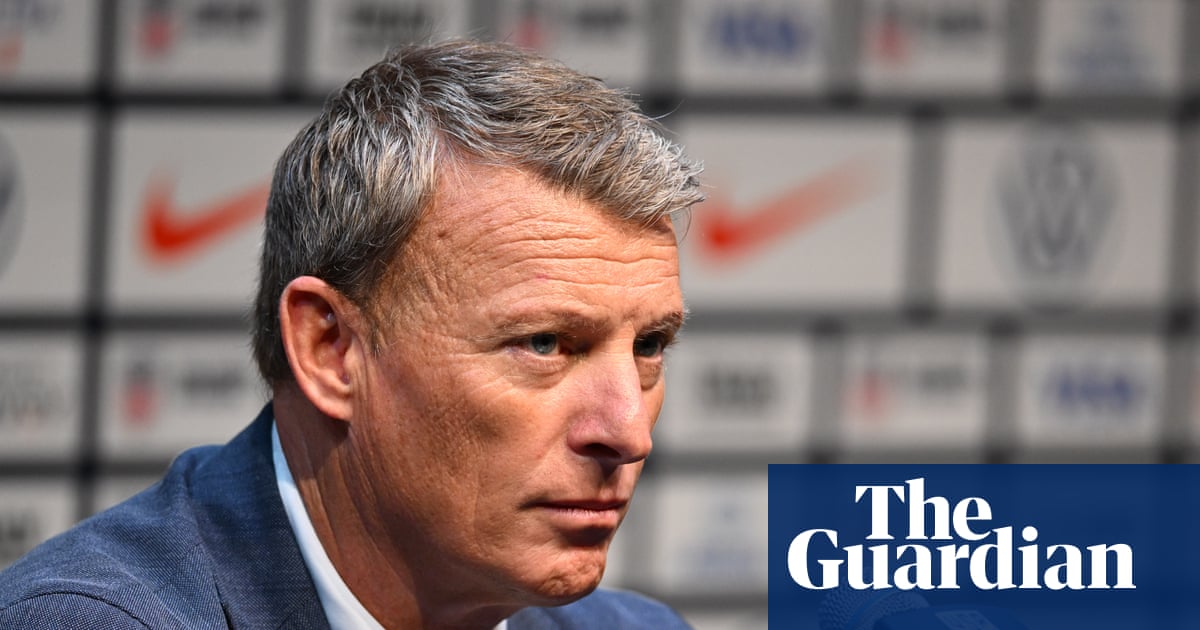
The news broke on Tuesday morning like a tactical blunder in the final minutes of a cup final. Matt Crocker, the man who was supposed to steer the United States through its most significant sporting summer in history, is gone. With exactly 58 days until the 2026 World Cup kicks off on home soil, the Sporting Director has traded Chicago for Saudi Arabia. It is a move that reeks of opportunism and leaves a massive void where stability should be.
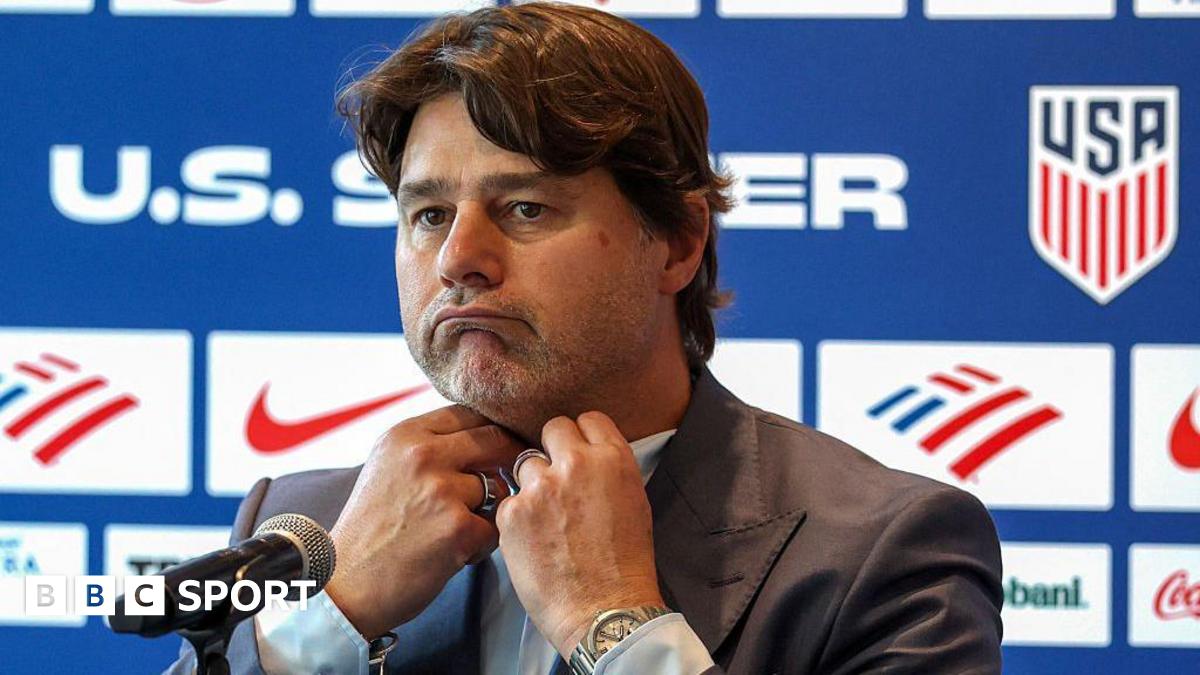
For those who have followed the USSF cycle since the Qatar exit, Crocker was the architect of the 'high-performance' pivot. He was the one who survived the initial Gregg Berhalter fallout and eventually landed the biggest coaching hire in USMNT history. Now, as The Guardian confirmed, the man who convinced Mauricio Pochettino to take the job won't even be in the building when the first ball is kicked in June.
The timing is not just poor; it is professional malpractice. Most federations are currently locking down training sites and finalizing the 26-man rosters. Instead, US Soccer is announcing that Sporting Director duties will be split among interim staff. This is not how a serious nation prepares for a 48-team tournament where the expectations are at least a quarter-final appearance.
The Pochettino problem and the Saudi shadow
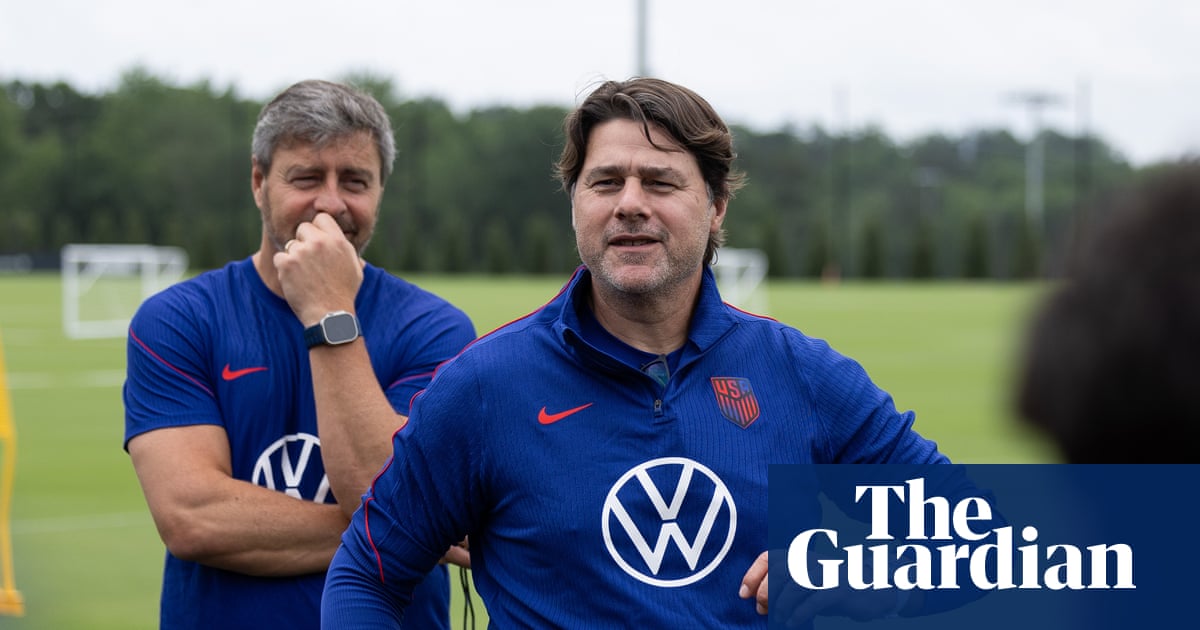
Mauricio Pochettino is a manager who thrives on clear lines of communication and a shield from the internal politics of a federation. Crocker was that shield. By leaving now, Crocker has exposed the manager to the kind of administrative chaos that usually precedes a group-stage exit. Pochettino has been working on a high-pressing 4-2-3-1 system that requires intense scouting and recruitment of dual-nationals — a process Crocker spearheaded.
The allure of Saudi Arabia is well-documented, but this particular exit suggests something more concerning about the USSF project. If the architect of the 2026 cycle doesn't believe staying for the actual tournament is more valuable than a Saudi paycheck, why should the players? It sends a signal that the hard work of building the structure was just a resume-builder for a bigger payday elsewhere.
We have seen this trend before with Western executives moving to the Pro League or the Saudi Arabian Football Federation, but rarely with this kind of reckless timing. The US is about to host the world, yet the cockpit is empty. There is a legitimate fear that the focus on the pitch will be blurred by the search for a permanent successor in the boardroom.
Tactical instability in the final stretch
On the pitch, the USMNT has looked increasingly sharp under Pochettino's guidance. The win rate has improved, and the team finally looks comfortable in a mid-block transition. However, the Sporting Director is responsible for the logistics that make these tactical shifts possible: the video analysts, the medical staff, and the youth integration that provides depth. Splitting these duties during the most stressful eight weeks of the decade is a recipe for oversight.
One critical observation that cannot be ignored is the silence from the federation regarding a direct replacement. By splitting the duties, they are effectively saying that the role isn't essential for the World Cup. If that is the case, why was Crocker given so much power over the last two years? It suggests a lack of a backup plan that should have been in place the moment the Saudi interest became known.
The USSF has a history of being top-heavy and slow to react. This exit highlights a massive flaw in their succession planning. They are betting everything on Pochettino's individual brilliance to overcome a hollowed-out administrative core. It is a high-stakes gamble that ignores how often well-run federations like France or Germany rely on their back-room consistency to navigate the pressure of a home tournament.
The dual-national recruitment gap
Crocker was pivotal in the conversations with several high-profile dual-nationals who are still on the fence about their international future. These players aren't just looking at the coach; they are looking at the vision of the entire federation. A 'split' leadership team does not inspire the kind of confidence needed to sway a young talent away from a European powerhouse.
The expanded 48-team format means the US will likely face a much more grueling path to the latter stages. Depth is no longer a luxury; it is the difference between a round-of-16 exit and a deep run. Without a dedicated Sporting Director to manage the fringe players and the pressure on the squad, the burden falls entirely on Pochettino. We might see a tactical regression toward a more conservative style simply because the support staff isn't there to manage a more complex, rotation-heavy approach.
The verdict on the Chicago vacuum
This is a dark day for the optics of American soccer. You do not build a four-year plan only to walk away with 58 days to go unless there are serious cracks in the foundation. Crocker's exit will be framed as a personal career move, but it should be viewed as a failure of the federation to secure its most vital personnel before the biggest event in its history.
The USMNT players will likely say the right things in press conferences this week, but behind the scenes, the uncertainty is real. Pochettino is a world-class operator, but he is now being asked to be the coach, the recruiter, and the face of the project simultaneously. It is too much to ask of one man, even one with his pedigree.
A confident prediction for the summer of 2026
Despite the administrative fire in Chicago, the USMNT will still navigate the group stage with relative ease. The talent pool is too deep, and the home crowd will be a massive factor. However, the lack of a Sporting Director will manifest in the knockout rounds. When the pressure hits the 90th minute in a round-of-32 clash, the small details that Crocker was supposed to manage — the travel fatigue, the training ground quality, the morale of the bench — will start to fray.
I am predicting a Round of 16 exit. Pochettino will do enough to make the team competitive, but the federation's instability will prevent them from making the jump to the elite tier. This summer was supposed to be the arrival of the US as a global football power; instead, it looks like another cycle where the suits in the office sabotaged the talent on the grass.
Read Next
- The 2026 Hype Is Real: Gear That Actually Matters Before Kickoff
- Saka’s Achilles is the one thing Mikel Arteta can’t coach his way around
- Cristian Romero's season is over and Spurs are officially in trouble
- Wales vs Romania is exactly the kind of sickos football we need
- 🏆 World Cup 2026 — Full Coverage Hub
- 🇺🇸 USMNT World Cup 2026 — Team USA Coverage Hub
- ⚽ MLS 2026 Season Hub — World Cup Year Guide