The 82-cap pillar finally crumbles
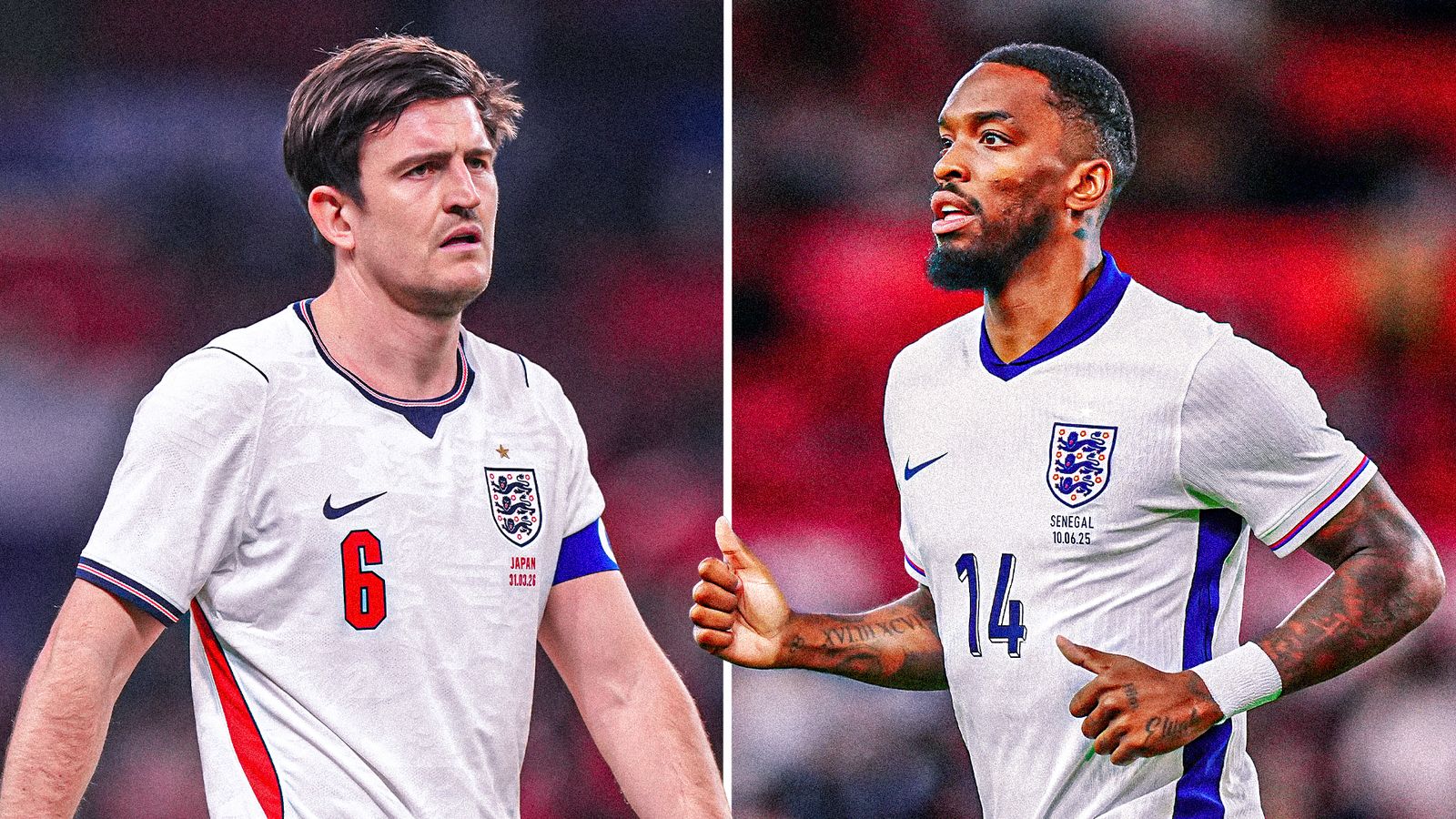
England’s defensive identity for nearly a decade has been anchored by a 194cm frame that defied the laws of club-level physics. Since his debut in 2017, Harry Maguire has been the statistical anomaly of the international game—a player whose output for his country consistently outstripped his utility at Manchester United. But as Sky Sports reported today, Thomas Tuchel has finally called time on the experiment, leaving Maguire out of the 2026 World Cup squad.
The numbers behind Maguire’s England career are staggering. In competitive fixtures under Gareth Southgate, England conceded a mere 0.68 goals per 90 minutes when Maguire was on the pitch. In the 14 games he missed during that same period, that figure rose to 1.12. He was the insurance policy that allowed a conservative system to thrive, winning 74.5% of his aerial duels across three major tournaments. To leave that behind 21 days before the kickoff in the USA is a calculated risk that shifts the entire tactical gravity of the Three Lions.
The velocity trap in Tuchel's high line
Thomas Tuchel does not play the low-block containment football that shielded Maguire for years. Since taking over, Tuchel has pushed England’s average defensive line height to 48.2 meters from the goal line, a significant jump from the 42.1 meters favored during the 2022 cycle. In this space, recovery speed is the only currency that matters. Maguire’s top recorded sprint speed in the 2025/26 Premier League season bottomed out at 29.8 km/h, placing him in the bottom 15th percentile of top-flight center-backs.
Compare that to Marc Guehi or Levi Colwill, both of whom have been clocked at over 33.5 km/h this season. Tuchel’s system demands that center-backs defend in isolation against elite transition wingers. When you examine Maguire’s 1v1 defensive success rate in wide areas over the last 18 months, it has plummeted to 41%. He is a specialist in a world that now demands generalists. By axing the veteran, Tuchel is signaling that he would rather risk a lapse in concentration from a younger player than the guaranteed physical mismatch Maguire presents in a high-pressing scheme.
The death of the set-piece monopoly
For years, England’s primary offensive weapon in knockout football was the Maguire header. He remains the highest-scoring defender in the history of the national team with 7 goals, many of them high-leverage strikes in quarter-finals. However, the 2026 version of England has diversified its threat. Under Tuchel, England’s xG from set pieces has actually increased by 12% despite Maguire’s diminishing minutes, largely due to the delivery of Declan Rice and the movement of John Stones.
The defensive trade-off is equally telling. While Maguire remains an elite aerial presence, his lack of lateral mobility has led to an increase in fouls conceded in the defensive third. He averaged 1.84 fouls per 90 in the recent World Cup qualifiers, often a result of being caught on the wrong side of a nimble attacker. In a tournament where VAR scrutiny on shirt-pulling and grappling is expected to be at an all-time high, Maguire’s physical style of defending is a yellow card waiting to happen in every knockout round.
A legacy built on tournament gravity
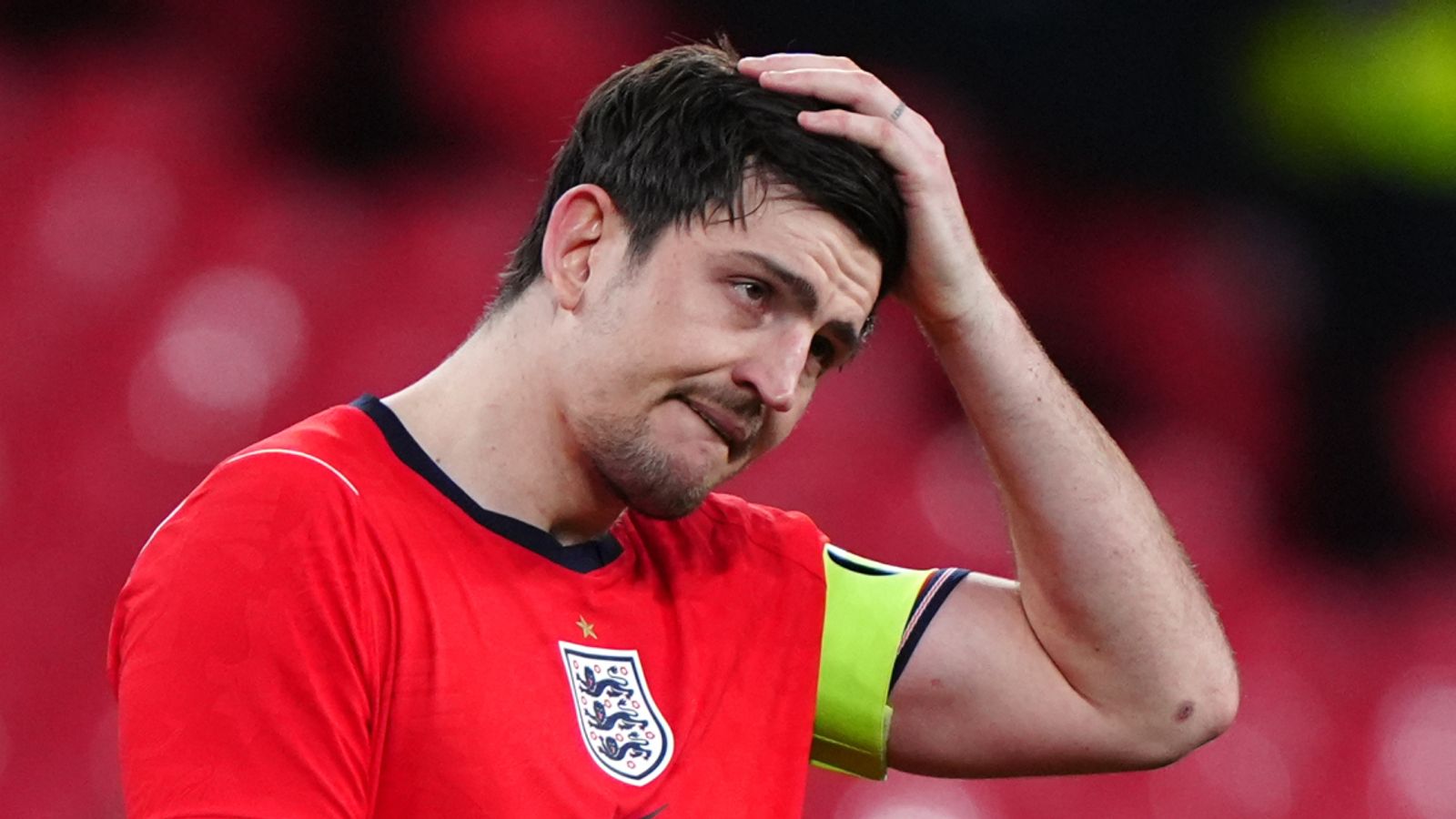
Maguire’s frustration, described as being "shocked and gutted," is understandable when looking at his historical reliability. He played 100% of the minutes in England’s run to the Euro 2020 final and was arguably the team’s best performer in the 2022 quarter-final loss to France. He provided a psychological weight—a sense of tournament gravity—that younger defenders like Jarrad Branthwaite have yet to earn. But nostalgia is a poor substitute for mobility in the modern game.
England’s win percentage with Maguire in a back four sits at 64%, but that number masks a decline in clean sheets against top-tier opposition. In the last six matches England played against teams ranked in the FIFA Top 10, they kept only one clean sheet with Maguire starting. The "blocker" profile is being phased out for the "interceptor" profile. Tuchel wants defenders who can step into midfield and complete 92% of their progressive passes; Maguire’s average of 84% is respectable but insufficient for a coach who views the center-back as the primary playmaker.
The critical failure of adaptation
The harshest truth is that Maguire failed to evolve. While John Stones reinvented himself as a hybrid midfielder, Maguire remained a traditional stopper. His refusal to adjust his positioning to compensate for his waning pace has been his undoing. In the March friendly against Brazil, he was caught 5 meters deeper than the rest of the defensive line on three separate occasions, played attackers onside, and forced a frantic recovery from the midfield. These are the micro-errors that Tuchel refuses to tolerate.
Leaving a player with 82 caps at home is a brutal piece of man-management, but the data suggests it was inevitable. England are trading a 74% aerial win rate for a 20% increase in squad-wide recovery speed. It is a bet that the 2026 World Cup will be won in the transitions, not in the air. Maguire was the king of the 18-yard box, but Tuchel is more interested in the 40 yards behind him. The era of the English specialist is over, replaced by a ruthless, data-driven pragmatism that has no room for sentiment or 194cm insurance policies.
Read Next
- Why Tuchel dropping Maguire is a terrifying gamble for England
- Tuchel’s plan to bring Levi Colwill to the World Cup is pure chaos
- Tuchel's Friday cull and the $50 tickets saving a corporate World Cup
- Tuchel's 16 guarantees and the massive tactical headache facing England
- 🏆 World Cup 2026 — Full Coverage Hub