The Brutality of the Final Four
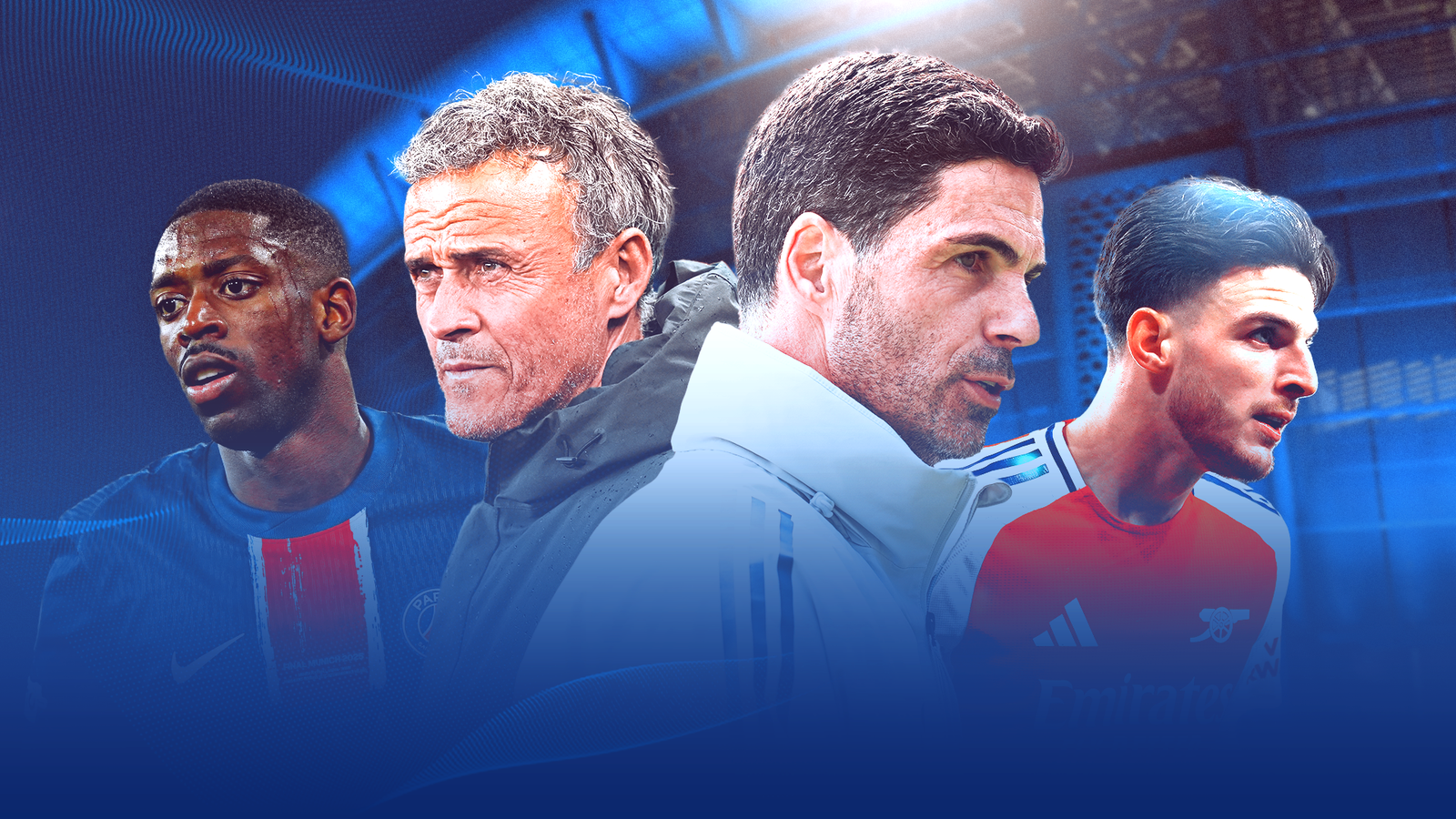
As the Champions League semi-finals draw near, the footballing world braces for a clash of titans. It's a stage where reputations are forged and broken, where tactical masterclasses meet moments of individual brilliance, and where the slightest error can cascade into continental heartbreak. But this year, the narrative feels different. The usual suspects, while formidable, carry an underlying fragility that could well be exploited.
Forget the dominant league campaigns or the facile group stage victories. The Champions League semi-final is a beast of its own, a two-legged crucible demanding peak physical condition, unwavering mental fortitude, and a touch of calculated madness. Many pundits will simply point to the perceived favorites and stamp their tickets to the final. That's a mistake.
The Weight of the Season's Grind
Modern football, particularly at the elite level, is a relentless treadmill. Top teams are not merely playing 50-60 games; they are playing 50-60 high-intensity, high-stakes contests across multiple competitions. This sheer volume takes a toll that often manifests in the latter stages of the season, precisely when the margins are thinnest.
We’ve seen it time and again: a squad that looks invincible in February can be limping by April. Injuries accumulate, key players are forced into demanding minutes, and the crispness of early-season passing gives way to weary indecision. The physical demands of relentless pressing and counter-pressing, now almost mandatory for success, are unsustainable without rotational depth that few teams truly possess.
Tactical Chess and Psychological Warfare
The beauty of a two-legged tie lies in its inherent tactical complexity. It’s not a single 90-minute sprint; it’s a 180-minute marathon played out in two distinct environments. Managers must balance aggression with caution, considering the impact of away goals and the psychological implications of holding a lead or chasing a deficit.
The psychological toll of playing away first often forces a more cautious approach, ceding territory and possession that a team might otherwise dominate. This sets a dangerous precedent, allowing the home side to build confidence and potentially snatch a vital goal. Momentum swings are amplified in this format, and regaining control after conceding is a far tougher proposition than in a single knockout game.
The Illusion of Control
Even the most meticulously crafted game plans can unravel in an instant. A contentious refereeing decision, an unfortunate deflection, or a moment of individual genius can overturn months of strategic preparation. This unpredictability, while thrilling for neutrals, is the nightmare of any manager leading a perceived favorite.
Take, for instance, the way teams often struggle to convert their statistical dominance into tangible leads against resilient opponents. The concept of Expected Goals (xG) is useful, but it doesn't account for the unique pressure of a UCL semi-final. Teams can accumulate high xG figures yet find themselves trailing on the scoreboard, a frustrating reality that tests even the most composed outfits. The margin of error in these ties is virtually non-existent.
The Underdog's Bite
This is where the 'underdog' – or perhaps, more accurately, the 'less-fancied' side – often thrives. Free from the immense pressure of expectation, they can play with a freedom that belies their standing. Their tactical approach can be simpler, more direct, focusing on exploiting the subtle weaknesses that even the best teams inevitably possess after a grueling season.
We also need to consider the collective spirit. While the EFL gears up for its community awards, the Champions League semi-final stage elevates team unity to an almost spiritual level. A cohesive unit, willing to fight for every inch, can negate a significant portion of a star-studded opponent's individual quality. This collective will often peaks in these moments, allowing teams to exceed their perceived capabilities.
My Prediction: A Favorite Falls
The footballing establishment often gravitates towards the safe bet, assuming that pedigree and financial muscle will always prevail. However, the unique demands of the Champions League semi-finals, coupled with the cumulative fatigue of a long season, create fertile ground for upsets. My conviction is firm: at least one perceived favorite will fail to advance to the final.
I foresee a scenario where a team, perhaps battling on multiple fronts domestically, will simply run out of steam, or be tactically outmaneuvered by a hungrier, more focused opponent. The shift in momentum after a single away goal can be devastating, psychologically shattering a team that felt it had control. This isn't just wishful thinking; it’s an observation grounded in the brutal reality of European knockout football.
Expect tactical battles, moments of controversy, and ultimately, at least one major shock. The road to the Champions League final is rarely a smooth one for every giant, and this year will be no exception. The narratives of dominance often crumble when faced with true adversity, and the semi-finals are the ultimate proving ground.
Read Next
- Erling Haaland's fitness is the only thing keeping the title race alive
- Real Madrid are in total chaos after the Allianz Arena classic
- Pep’s office secrets and the tactical obsession driving City toward another final
- Arne Slot's Liverpool are walking into a tactical trap this April
- ⚡ UCL Semi-Finals 2026 — Full Coverage Hub