The ghost of 1993 returns
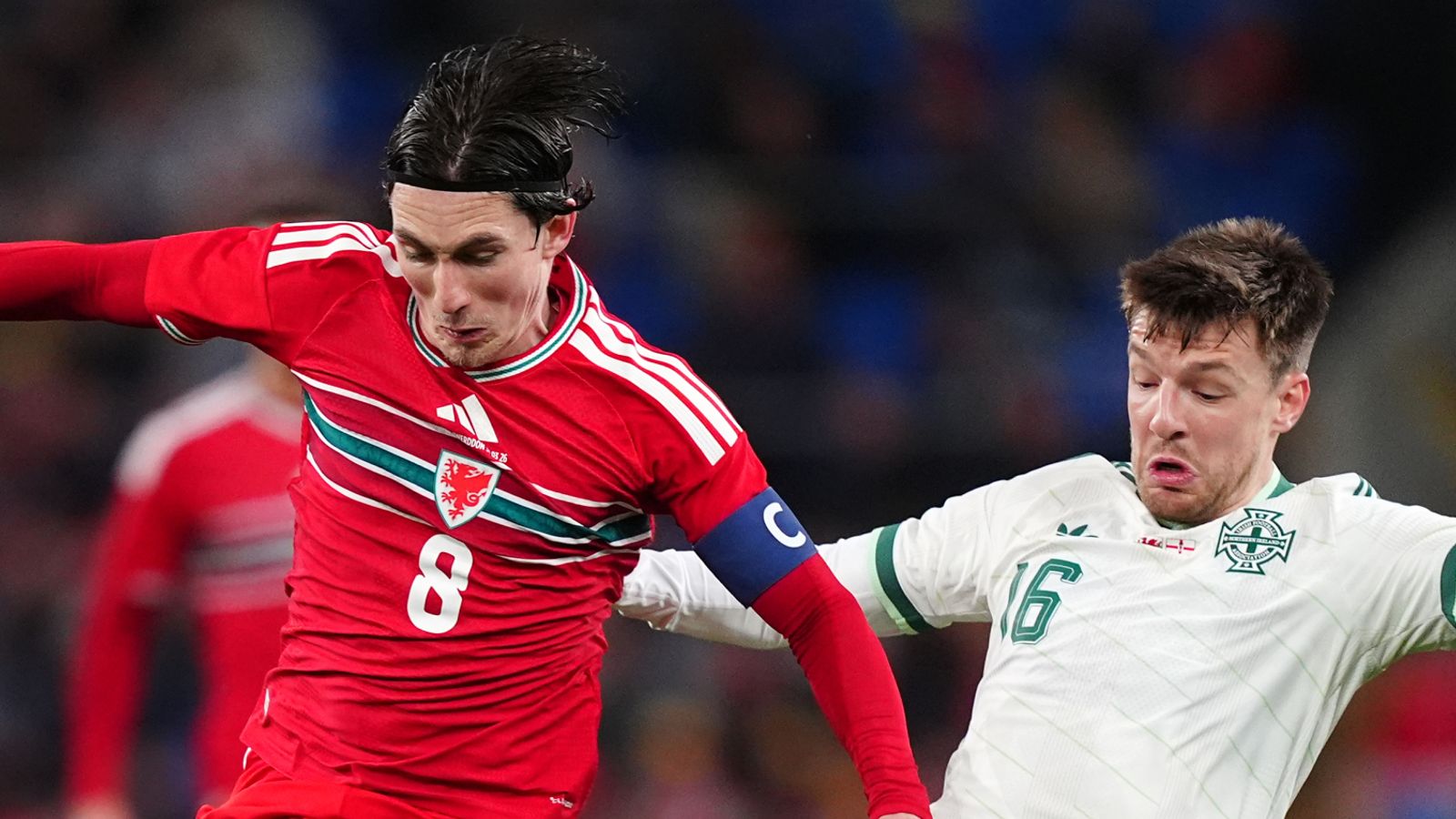
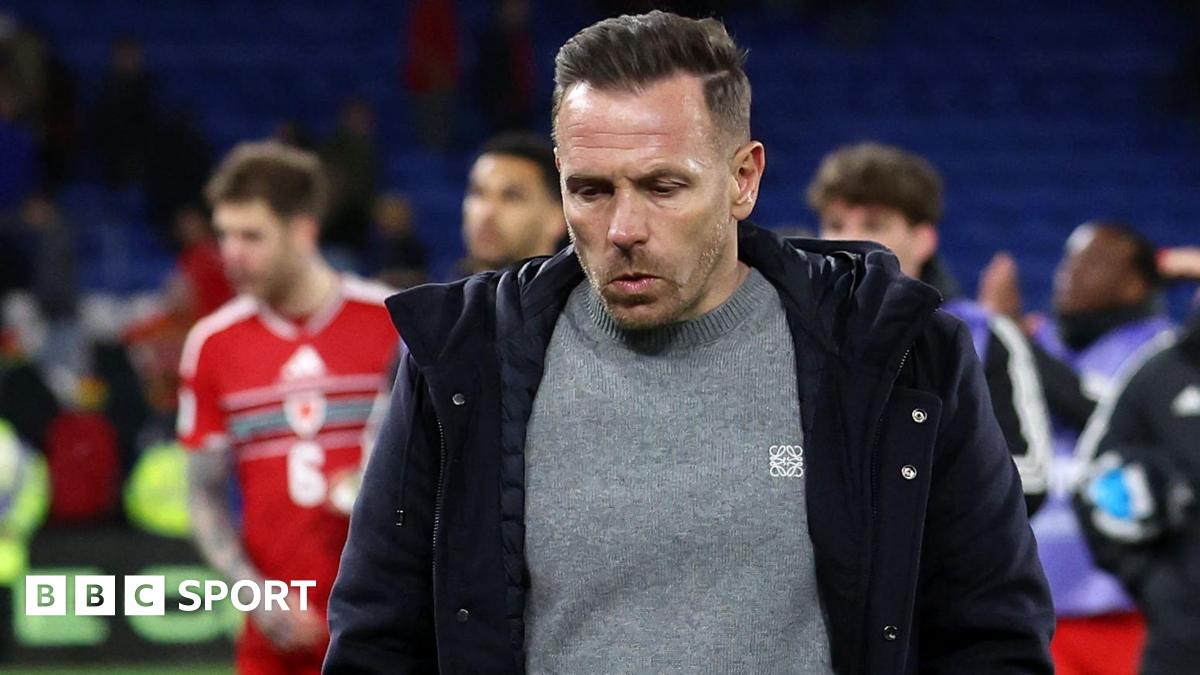
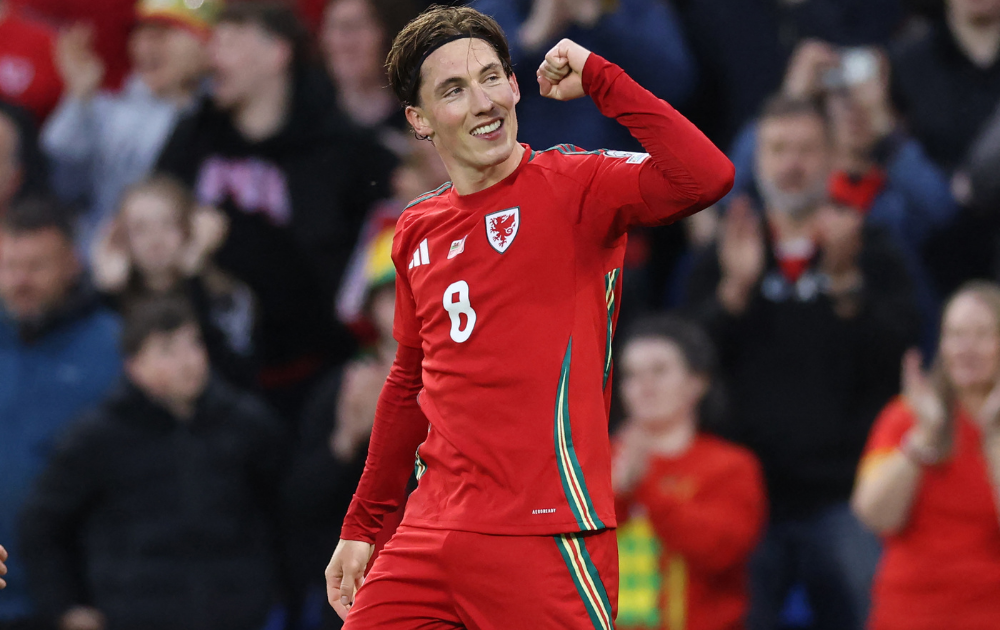
The news just dropped and my group chat immediately went completely silent. Wales are playing Romania in a summer friendly. On paper, it is a fixture that makes the casual fan scroll right past. It doesn't have the manufactured glitz of a Saudi exhibition or the high-stakes drama of a European qualifier. It is just a game of football, likely scheduled on a Tuesday night in early June, where half the squad is already thinking about their holidays in Ibiza.
But for the deeply unwell football sickos who actually enjoy the international break, this is pure, unadulterated heritage.
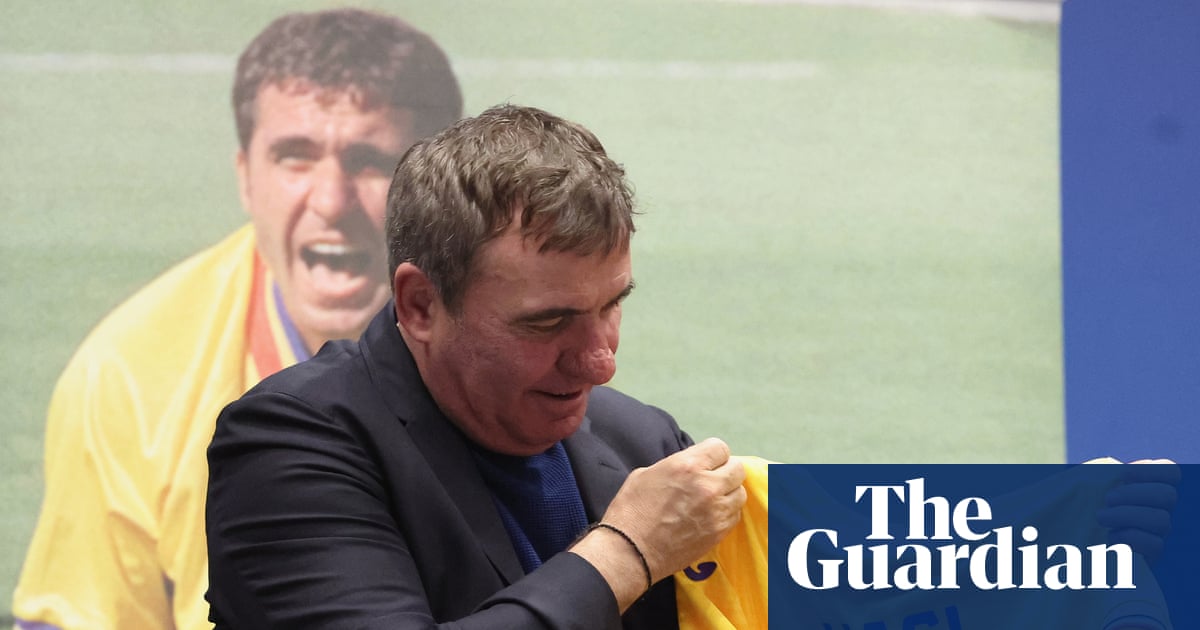
You literally cannot put the words 'Wales' and 'Romania' in the same sentence without sending any Welsh football fan over the age of 40 into a cold sweat. It immediately brings back the trauma of November 1993. The World Cup qualifier at Cardiff Arms Park. Paul Bodin stepping up to take that penalty. The crossbar rattling. Gheorghe Hagi doing things with a football that felt illegal. Florin Raducioiu breaking hearts in the 83rd minute.
That night defined a generation of Welsh football misery. You had Ian Rush, Ryan Giggs, Dean Saunders, and Neville Southall on the pitch—an absolute golden generation—and they still couldn't get it done. It was the ultimate what-if that hovered over the national team until the glorious summer of 2016 finally exorcised those demons. Now, decades later, they are meeting in a friendly that means absolutely nothing, yet carries the emotional baggage of a bitter divorce.
The reality of the summer friendly
Let's be brutally honest about what this match will actually look like. Summer friendlies are a completely different sport. The domestic season has just wrapped up. The Champions League final is set for late May. The expanded 48-team World Cup is kicking off on June 11 in North America. This friendly sits right in that weird, terrifying purgatory before the real action starts.
Depending on who actually qualified and who is just making up the numbers, this game is either a desperate final tune-up or a glorified training session for players who would rather be absolutely anywhere else. The intensity level usually hovers somewhere between a testimonial match and a hungover Sunday League run-out.
Managers use these games to justify their existence. We are going to see tactical experiments that make absolutely zero sense. We will inevitably witness a 19-year-old winger from Charlton Athletic being asked to play as an inverted full-back for the final twenty minutes because the starting left-back felt a tight hamstring and nobody wants to risk a tear.
And yet, we will watch every single minute.
Why we can't look away
There is a bizarre charm to these low-stakes international fixtures. When you strip away the corporate sponsors, the manufactured rivalries, and the exhausting tribalism of club football, you are left with something strangely pure. It is just a group of guys, most of whom barely know each other's preferred passing foot, trying to cobble together a cohesive system in four days of training.
Romania always brings a fantastic element of chaos to these encounters. They aren't the golden generation of the 90s anymore. We don't have the bleached blond hair of the 1998 squad or players who can smoke a pack of cigarettes at halftime while still outrunning everyone on the pitch. But they still possess that distinct Eastern European tactical stubbornness.
They will treat a meaningless friendly in Cardiff like it is a sudden-death playoff. You just know a center-back like Radu Dragusin is going to leave a foot in late on a Welsh attacker. They will argue with the referee over a throw-in in the third minute. They will refuse to roll over, which is exactly what you want when you're paying forty quid for a ticket.
The Cardiff City Stadium experience
If you have never been to Cardiff City Stadium for an evening international fixture, you are missing out on an absolutely brilliant cultural phenomenon. It does not matter if it is June. It will probably rain. The concourse will smell strongly of stale lager and wet jackets. The PA system will blast Zombie Nation at a volume that threatens structural damage to the Canton Stand.
The Welsh fans, bless them, will sing for ninety minutes straight regardless of what is actually happening on the grass. The game could be a dire 0-0 draw with a grand total of one shot on target, and the stadium will still be bouncing like they've just won the lottery. Yma O Hyd will ring out and for a couple of hours, everyone forgets that their club side just finished 14th in the Championship.
This is the stark contrast between international and club football. Club fans are furious when their team plays poorly. International fans—especially in these friendlies—are just happy to have an excuse to leave the house, drink with their mates, and hurl friendly abuse at the opposition goalkeeper.
The broader calendar crisis
But while I love the gritty charm of this fixture, we have to talk about the absolute state of the football calendar. It is Tuesday, April 14, 2026. We are currently staring down the barrel of the Champions League quarter-final second legs tonight. The players are already looking exhausted. They are running on fumes, athletic tape, and painkillers.
Squeezing more international friendlies into an already bursting summer schedule feels borderline negligent. FIFA and UEFA keep expanding tournaments, adding more games, and entirely ignoring the physical limits of human beings. We are reaching a breaking point.
You can see it in the injury lists across Europe. Hamstrings are popping like guitar strings. Knee injuries are becoming as common as sprained ankles. And the solution from the powers that be is to schedule another set of matches halfway across the continent right after the grueling domestic season finally ends.
It is genuinely absurd. But the machine demands content. The television contracts must be fulfilled. The sponsors need their designated ad breaks to sell us terrible shaving razors and questionable crypto exchanges.
Tactical nightmares and debutants
So, what actually happens on the pitch when Wales line up against Romania? It will be disjointed. The pressing triggers will be completely out of sync. You will see a centre-back play a beautiful, sweeping diagonal pass to absolutely nobody, because the winger hasn't figured out the system yet.
But these games are the breeding ground for cult heroes. This is where a random squad player suddenly scores an absolute worldie from thirty yards out and secures his spot in the national team setup for the next five years. It is where managers find out who actually has the mental fortitude to perform when the stadium is half-empty and the motivation is dangerously low.
You watch these friendlies to spot the one kid who looks like he belongs. The midfielder who constantly demands the ball under pressure. The defender who isn't afraid to step up and break the lines. It is scouting in its rawest, most chaotic form.
It also exposes the glaring holes in a squad. If your backup striker looks entirely lost against a heavily rotated Romanian backline in a friendly, you know for an absolute fact that he cannot be trusted in a high-pressure tournament game. It is a harsh testing ground disguised as a meaningless kickabout.
Embracing the nonsense
I know I am complaining about the schedule. I know this match is objectively pointless in the grand scheme of football history. But I also know exactly where I will be when the referee blows the whistle.
I will be on my sofa, dissecting a friendly match with the same intensity I reserve for a cup final. I will be furious when a Romanian midfielder gets away with a cynical foul in the center circle. I will be shouting at the television when the Welsh attack breaks down due to a sloppy first touch from a tired forward.
We constantly complain about the oversaturation of football, but we are the exact reason it exists. We consume it relentlessly. A summer friendly between Wales and Romania is not going to win any broadcasting awards, but it is a reminder of why we fell in love with this stupid, beautiful game in the first place.
It isn't about the glamour. It is about the shared experience. It is about the ghost of 1993, the hope of a new generation, and the simple joy of watching twenty-two exhausted millionaires kick a ball around a wet pitch in Cardiff. Bring it on.
Read Next
- The 2026 Hype Is Real: Gear That Actually Matters Before Kickoff
- Ghana hiring Carlos Queiroz 58 days before the World Cup is pure chaos
- Top 10 Moments Defining the 2026 Season Finale
- Arsenal hit the panic button before the City decider
- 🏆 World Cup 2026 — Full Coverage Hub
- ⚽ Serie A 2025-26 — Title Race Hub (Inter, Napoli, Juve, Milan)
- 🏆 Europa League Final 2026 — Full Coverage Hub
- 🇷🇴 Romania at the 2026 World Cup — Full Coverage Hub
- 🏴 Wales at the 2026 World Cup — Full Coverage Hub