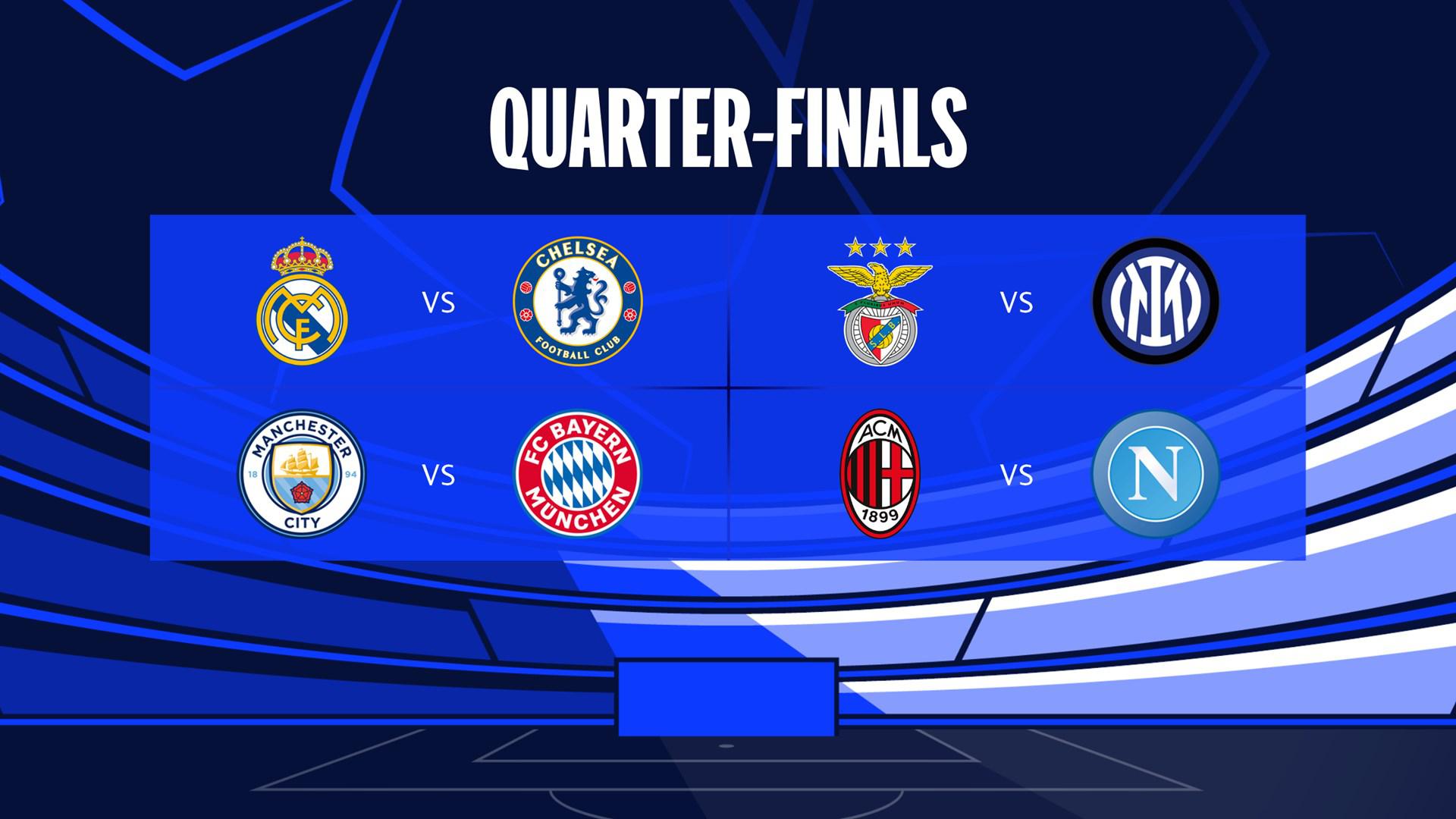
The Champions League Quarter-Finals are exactly nine days away. The domestic leagues are grinding toward their conclusions, the legs are getting heavy, and the tactical margins are shrinking. We are about to witness the absolute pinnacle of elite club football starting on April 7.
But nobody is talking about the football.
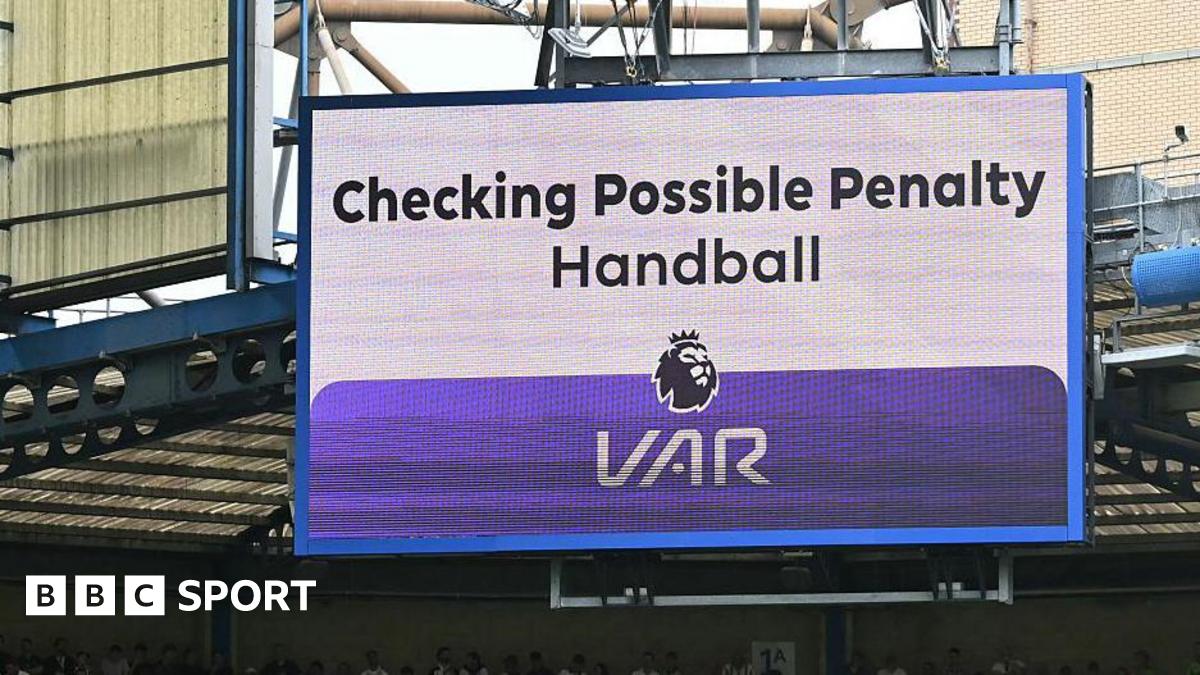
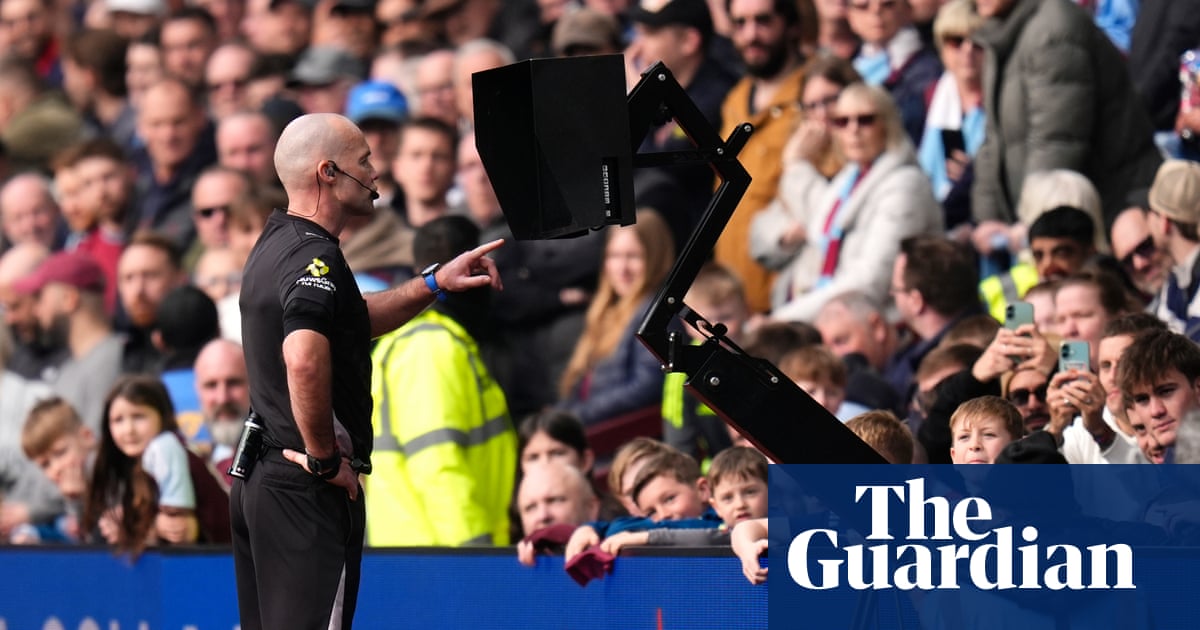
Instead, we are bracing ourselves for the inevitable monitor reviews, the agonizing three-minute delays, and the microscopic geometry lessons that have hijacked the sport. A new survey published by The Guardian has laid the reality bare. A massive 91% of supporters believe football is better off without VAR entirely.
The authorities are ignoring a rebellion. The survey explicitly notes the sheer lack of entertainment value the system provides:
Only 2% thought VAR ‘makes football more enjoyable’
We are about to carry a fundamentally broken, universally despised system into the defining matches of the 2025/2026 season.
The tactical form guide
When you look at the elite teams remaining in Europe right now, a clear tactical divide emerges. You have the aggressive, high-line pressing machines—think Arsenal with Martin Ødegaard triggering the trap, or Manchester City squeezing the pitch with Ruben Dias on the halfway line.
Then you have the devastating transition teams. Real Madrid remain the kings of this. Give Jude Bellingham and Vinícius Júnior fifty yards of space, and they will destroy you in four seconds.
VAR heavily influences this dynamic. Football is a game of rhythm and physiological momentum. When a high-pressing team traps an opponent in the corner and forces a turnover, the ensuing chaos is the entire point of the tactical setup. The opponent panics. The crowd roars. The defensive structure crumbles.
VAR pauses that release. It demands that we hold our breath while someone in a remote room draws arbitrary lines on a monitor. The raw emotion is replaced by bureaucratic anxiety.
From a purely tactical perspective, these delays alter the fabric of a match. Teams that rely on relentless intensity suffer the most when play halts for three minutes to check a marginal offside in the build-up. The defending team gets a free timeout. They catch their breath. They reset their defensive shape into a rigid 4-5-1.
A high-tempo pressing structure built on rapid transitions relies on chaos. VAR is an instrument designed to sanitize that chaos. It hands a massive structural advantage to teams sitting in a low block, desperate for any pause in play.
The grueling road to April
We cannot ignore the physical reality of the squad lists right now. The form guide is heavily dictated by the medical room. We are seeing major structural injuries across Europe's elite. The calendar is simply too punishing.
Every top-tier squad is currently nursing two or three major absences. Midfielders are running on fumes. Fullbacks are being rotated purely to prevent muscle tears. The physical toll of the modern game is at an absolute breaking point.
This is precisely where the VAR delays become a physical hazard, not just a tactical annoyance. When players are sprinting at maximum velocity and suddenly have to stand around in the cold for three minutes while a monitor is checked, their muscles cool down. The risk of hamstring injuries skyrockets upon the immediate restart of play.
You are asking exhausted athletes to constantly rev their engines up to the redline, turn them completely off, and then redline them again instantly. It is an incredibly dangerous way to manage human physiology in the late stages of a brutal campaign.
Key match-ups destroyed by the monitor
The defining match-ups of these upcoming Quarter-Finals will be ruined by the whistle. Consider the reality of defending against world-class pace. A defender stepping up to catch Kylian Mbappé or Vinícius Júnior offside is executing a high-risk, split-second trap.
The initial promise of VAR was simple. It was sold as a tool to eliminate clear and obvious errors. Instead, it has created a new, microscopic category of offenses. The geometry of the offside rule has been stretched to breaking point.
We are now penalizing attackers for having a larger shoe size than the center-back. Attackers are flagged offside because their shoulder is leaning forward mid-sprint. It is a fundamental misunderstanding of biomechanics. You cannot sprint without leaning forward.
The Guardian data confirms the backlash. 81% of fans prefer watching games without video technology entirely. They would rather accept a linesman missing a tight call by an inch than watch a sterile, tedious delay off the pitch.
Look closely at how defenders like William Saliba or Virgil van Dijk approach wingers inside the penalty area today. The natural biomechanics of defending have been entirely compromised. Players are actively coaching themselves to defend with their hands clasped firmly behind their backs.
This is not a natural way to run, turn, or jump. It severely limits a defender's agility and balance. They are doing this purely out of fear. A ball blasted from two yards away hitting a natural arm position is routinely penalized because slow-motion replays make accidental contact look deliberate.
The psychological state of the pitch
VAR was supposed to protect referees. It was supposed to shield them from the intense scrutiny of high-profile mistakes. The reality heading into April 7 is the exact opposite. On-field officials have been entirely stripped of their authority.
Referees are now officiating with a safety net that actively undermines their confidence. They hesitate to make the big calls in real time. They let the flag stay down on blatant offsides, creating unnecessary and dangerous physical collisions between strikers and goalkeepers.
The authority of the whistle is gone. Every major decision in the Champions League Quarter-Finals will be outsourced. The referee on the pitch has been reduced to a mere middleman, waiting for an earpiece to dictate the outcome of the match.
This hesitation bleeds directly into the players. Erling Haaland hesitates to celebrate a tap-in. Defenders hesitate to stop playing when they hear a whistle. The entire psychological state of the match is suspended in a state of permanent doubt.
Unintended tactical timeouts
There is another glaring issue that goes largely unmentioned in the build-up to these massive European nights. VAR checks have effectively introduced tactical timeouts into a sport that explicitly forbids them.
Watch the touchline during a lengthy review next week. Managers will immediately pull their captains to the sideline. Tactical boards will be brought out. Formations will be adjusted on the fly. A game that is meant to flow continuously for forty-five minutes is being chopped up into discrete, manageable segments.
This punishes the proactive team trying to build sustained pressure. If a team is on the ropes, struggling to clear their lines away from their own box, a VAR check for a potential foul in the build-up is a massive gift.
The momentum is killed. The crowd is quieted. The attacking team has to start their lock-picking process all over again against a fully rested defense.
The inevitable Quarter-Final prediction
We are sacrificing the joy of the sport on the altar of unattainable perfection. The fans have spoken clearly. They are tired of the forensic interference.
As we look ahead to the first legs on April 7, I can give you a confident prediction. The football will be spectacular in fleeting moments. The talent on the pitch is too immense for it not to be. But the defining narrative of the Quarter-Finals will not be a brilliant tactical adjustment or a stunning thirty-yard strike.
The defining moment will be an atrociously handled VAR review. A decisive goal will be ruled out for a fractional offside in a completely different phase of play. A soft penalty will be awarded because a ball grazed a defender's elbow while he was falling to the ground.
The teams that survive this round will not necessarily be the ones who play the best football. They will be the teams that manage the delays best. The teams that can physically switch off for three minutes and immediately restart their intensity.
My prediction is grim but guaranteed. A major Champions League contender will be eliminated next week entirely because of a microscopic VAR interpretation favoring a deep-sitting low block. The fans hate it, the stats prove it, and UEFA will stubbornly march forward anyway. Expect controversy, expect delays, and expect the beautiful game to look a little uglier by the end of next week.
Read Next