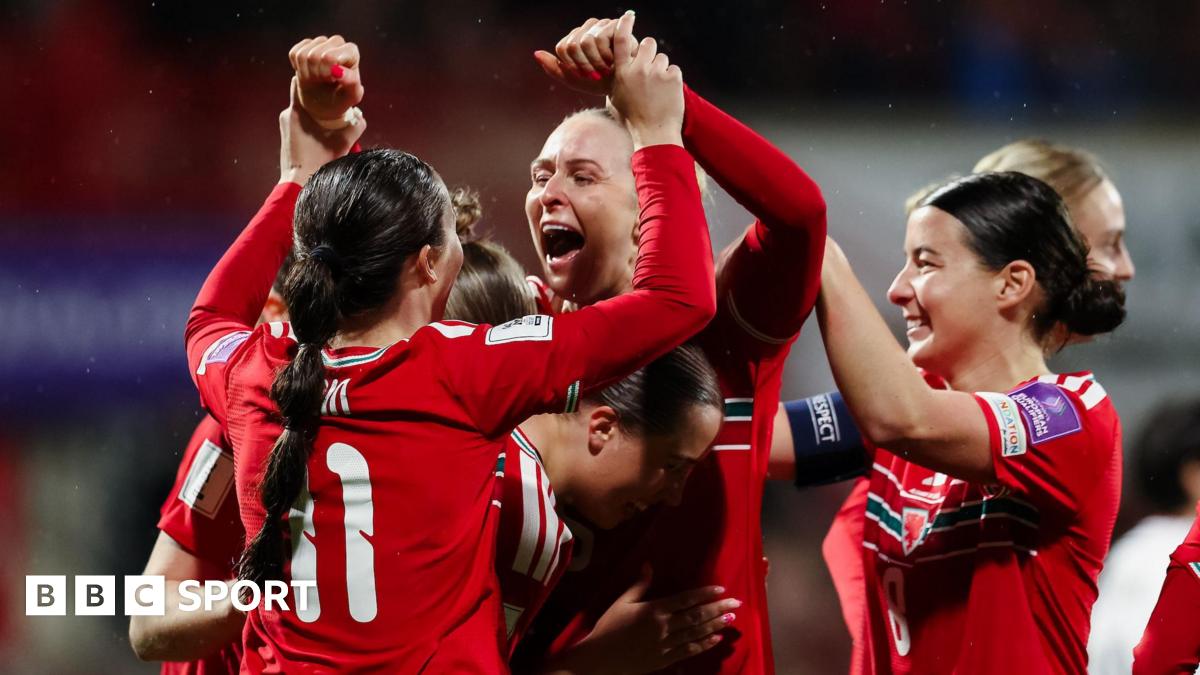
The Racecourse as a structural weapon
International football often suffers from a sense of sterile detachment when played in cavernous, half-empty national stadiums. For Wales, the decision to take this World Cup qualifying double-header against Albania to the Racecourse Ground in Wrexham is not merely a nod to North Welsh sentimentality. It is a calculated tactical lever. The tighter confines and the visceral proximity of the 15,000-strong crowd at the oldest international stadium in the world create a pressure cooker that serves a specific functional purpose for this transitional squad.
As Rhiannon Roberts noted in her latest column, there is a tangible excitement about playing in Wrexham, but the utility of the venue goes beyond the noise. Against a side like Albania, who traditionally operate with a disciplined 5-4-1 mid-block, Wales need to manufacture intensity. In the sprawling Cardiff City Stadium, the tempo can often drop into a lethargic, lateral passing rhythm. In Wrexham, the game feels faster because the environment demands it. The ball returns to play quicker, the transitions feel sharper, and the psychological impact on an away side looking to waste time is immediate.
Wales enter this window during what Roberts correctly identifies as a "changing of the guard." We are witnessing the slow-motion sunset of a golden generation, and the tactical challenge for the management is integrating "new faces pushing Wales" without losing the structural integrity that made them European contenders. This isn't just about blooding youngsters; it is about shifting from a counter-attacking identity to one that can dominate 75% possession and actually do something meaningful with it.
Solving the Albanian low block
Albania are a frustrating tactical puzzle. They do not look to win games so much as they look to prevent them from happening. In their last three away qualifiers, they have averaged only 2.1 shots on target per 90 minutes, yet they have conceded only twice. They rely on two deep banks of four or five, forcing opponents to play around the perimeter. For Wales, the trap is falling into a pattern of "U-shaped" passing—moving the ball from fullback to center-back to fullback without ever penetrating the central corridor.
To break this, the new guard must offer more verticality. Roberts points out that the fresh blood in the squad is bringing a different energy, and that energy needs to manifest in the half-spaces. We need to see inverted wingers dragging the Albanian wing-backs out of position, creating lanes for late runs from midfield. If Wales rely solely on crossing into a crowded box, they are playing directly into Albania's hands. The stats tell a grim story: Albania won 68% of their aerial duels in the previous qualifying window. To beat them, Wales must keep the ball on the deck and utilize quick, third-man runs.
There is also the matter of the transition. When Wales lose the ball high up the pitch, they have occasionally looked vulnerable to a long-ball release. The veteran presence of Roberts and her contemporaries remains vital here. While the younger players provide the engine, the experienced heads must manage the rest-defense. If Wales over-commit in Wrexham, the romantic homecoming could quickly turn into a tactical nightmare on the counter-attack.
The cost of the transition
It would be a mistake to view this squad evolution through entirely rose-tinted glasses. Every "changing of the guard" comes with a period of instability. There is a palpable—wait, let's avoid that word—there is a noticeable lack of clinical edge in this current Wales side when the pressure ramps up. They have developed a habit of dominating matches without reflecting that dominance on the scoreboard, a trend that saw them drop points in a frustrating 0-0 draw earlier in this cycle against similar opposition.
The integration of new talent has, at times, led to a breakdown in positional discipline. We’ve seen young midfielders vacate the central pivot too early, leaving a chasm for opponents to exploit. Real journalism requires acknowledging that while the "new faces" are exciting, they haven't yet proven they can manage the game state with the cynical efficiency of the veterans they are replacing. This double-header is a test of maturity as much as it is a test of skill. If Wales can’t find a way to kill off Albania by the hour mark, the anxiety from the stands will start to bleed onto the pitch.
Wrexham's crowd is supportive, but they are also demanding. They know their football. If they see sideways passing for thirty minutes, the atmosphere will shift from supportive to expectant. That is the risk of the Racecourse—it amplifies everything, including the frustration when a plan isn't working. The management must be brave enough to make early changes if the starting XI fails to penetrate the Albanian shell.
What to watch for at the Racecourse
- The first 15 minutes: Wales must use the Wrexham atmosphere to launch an immediate high-press. Albania are notoriously slow starters.
- Rotation in the half-spaces: Watch for how the Welsh wingers tuck inside to occupy the Albanian center-backs, allowing the full-backs to overlap into space.
- Set-piece delivery: In tight games, a dead ball is often the only way through. Wales have been working on specific near-post routines that could be decisive.
- The depth of the bench: With two games in quick succession, how Roberts and the staff manage minutes will determine if they can sustain intensity through the second leg.
The 2026 World Cup is the ultimate goal, and the path to North America goes directly through these gritty European nights. For a nation of Wales' size, qualification is never a given; it is earned through tactical discipline and the ability to grind out results against teams that refuse to play. The "new faces" have the talent, but they now need to find the grit.
Wales are currently sitting on nine points in the group, and anything less than a maximum haul from these two games would be a significant step backward. The pressure is on the young players to prove they aren't just prospects, but reliable international starters who can carry the torch as the older generation begins to step aside.
Prediction: A professional night in the North
I expect a nervous start. Albania will do everything in their power to turn the first half into a stop-start affair, feigning injuries and taking forty seconds over every goal kick. The referee will be a central figure, and Wales must stay disciplined enough not to get drawn into the gamesmanship. However, the quality gap is real, and the environment at the Racecourse is too intense for Albania to hold out for ninety minutes.
Wales will eventually break the deadlock through a set-piece or a moment of individual brilliance from the new crop of talent. Once the first goal goes in, the game will change entirely. Albania have no Plan B; they aren't built to chase matches. A late second goal on the break will seal a 2-0 win that keeps the qualifying dream firmly on track. It won't be a classic, and it won't be entirely comfortable, but it will be a necessary statement of intent from a squad that is finally starting to find its new identity.
Read Next
- Ollie Watkins is the tactical key to England's 2026 World Cup hopes
- Wolves got aggressively dismantled by West Ham and Rob Edwards knows it
- Tottenham's desperate hunt for stability: What De Zerbi actually brings
- Wolves are playing with fire after that West Ham collapse
- 🏴 Wales at the 2026 World Cup — Full Coverage Hub