The Tactical Foundation and the Dublin Reset
Manchester United’s 2025/26 campaign has reached a silent, internal crossroads in the Irish capital. With a rare gap in the competitive schedule, Michael Carrick has rejected the usual commercial friendly tours in favor of a strictly isolated four-day training camp. It is a move designed to strip away the distractions of a title race and refocus a squad that looks physically spent after a grueling March.
10. The Dublin Focus Departure
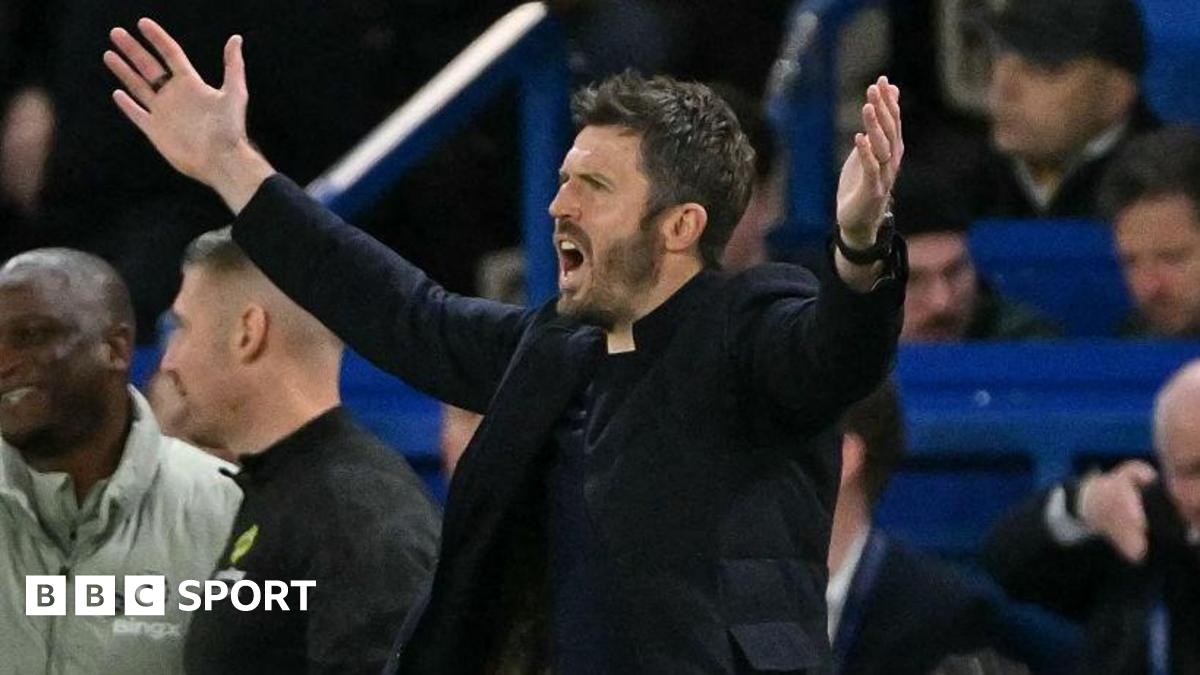
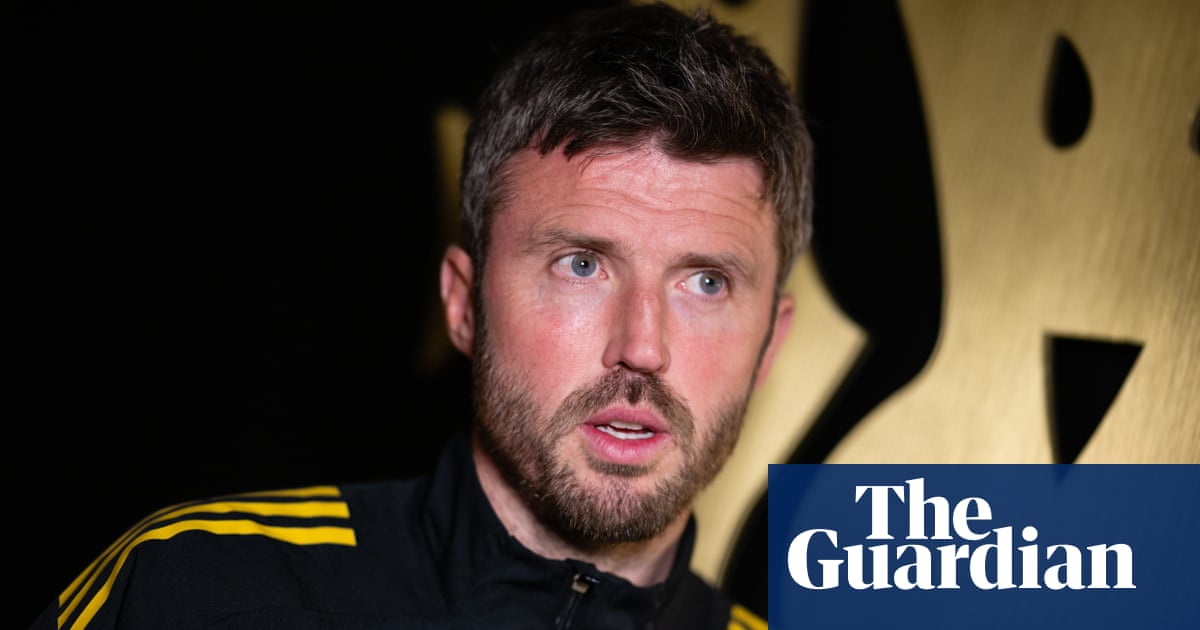
As The Mirror reported, Carrick is demanding absolute focus from his players during their stay in Ireland. This isn't a vacation or a public relations exercise; it’s a tactical recalibration. By pulling the team away from the Carrington fishbowl, Carrick is attempting to bottle the lightning that saw them surge up the table in early winter. The decision to prioritize mental reset over fitness drills suggests a manager who understands the psychological weight of the United crest. It ranks here because it marks the first time a United manager has prioritized local seclusion over global branding in over a decade.
9. The Munich Masterclass (April 7, 2026)
Yesterday’s 2-1 victory at the Allianz Arena shifted the narrative surrounding United’s European pedigree under Carrick. Going into the Champions League quarter-final as clear underdogs, United employed a rigid low block that frustrated Bayern Munich for over seventy minutes before striking twice on the counter-attack. Alejandro Garnacho’s curled finish in the 82nd minute silenced the home support and secured a massive away-goal advantage for the return leg on April 14. While the final five minutes saw United resort to an agricultural six-man defensive line, the result proved Carrick can coach a sophisticated defensive unit. It ranks lower only because the job is half-finished, with the second leg still looming.
8. The Hojlund Dilemma and Resolution
Not every moment has been a celebration, and the benching of Rasmus Hojlund in January remains a point of contention for many fans. Carrick’s refusal to start the Danish international during a three-game goal drought looked like a personal rift that threatened to destabilize the dressing room. Critics pointed to the £72 million price tag as a reason for forced inclusion, but Carrick stood firm, preferring the mobility of a false nine. The eventually successful reintegration of Hojlund in February showed a manager who won't be bullied by transfer fees. However, the initial handling of the situation was clumsy and nearly cost United points during a vital festive period.
The Domestic Charge and Mid-Season Grit
7. Lifting the League Cup at Wembley
The 1-0 victory over Newcastle in late February provided the first tangible proof that the Carrick project had teeth. It wasn’t a high-scoring affair, but a disciplined performance defined by Kobbie Mainoo’s control of the midfield. United restricted Newcastle to just two shots on target the entire match, a defensive efficiency that has become a hallmark of this regime. Winning a trophy this early in his permanent tenure bought Carrick the patience he needed from the Glazers and the fans alike. This moment validated the boring, repetitive defensive drills that players had reportedly complained about during the autumn.
6. The Boxing Day Comeback vs Tottenham
Trailing 2-0 at halftime on December 26, the atmosphere at Old Trafford was toxic and reminiscent of the worst days of the post-Ferguson era. Carrick didn’t make substitutions at the break; instead, he shifted the entire pressing trigger to target Micky van de Ven’s distribution. United scored three times in twelve minutes, with Marcus Rashford bagging a brace that reignited his season. This wasn't about luck or 'vibes'—it was a specific tactical adjustment that exploited a high line. It proved that United finally had a manager capable of making in-game changes that actually translated to the pitch.
5. The Implementation of the '3-2-2-3' Box
In November 2025, Carrick abandoned the traditional 4-2-3-1 in favor of a hybrid system that sees Diogo Dalot tucking into midfield. The statistical shift was immediate, with United’s expected goals against (xGA) dropping to a season-low 2.41 over a five-game span. This tactical courage is why United are even in a title conversation this late in the spring. Most managers at Old Trafford play it safe to avoid the sack, but Carrick risked his job on a complex system that requires high footballing IQ from his fullbacks. It ranks in the top five because it fundamentally changed how United build play from the back.
4. Mainoo’s 94th-Minute Winner at Anfield
Winning at Anfield is one thing, but doing it in the 94th minute with a 20-yard screamer from a homegrown talent is the stuff of folklore. Kobbie Mainoo’s strike in January didn't just grab three points; it broke a five-year winless streak at the home of United’s fiercest rivals. The celebrations on the touchline showed a rare crack in Carrick’s usually stoic demeanor. It was the moment the players truly started to believe they were more than just top-four contenders. This goal remains the highest emotional peak of the season so far, even if the Munich win was more tactically significant.
The European Dream and Defining Moments
3. The Bruno Fernandes Captaincy Transition
While often overlooked by highlight reels, Carrick’s decision to redefine Bruno Fernandes’ role as a deep-lying playmaker has been a masterstroke. By moving the captain further away from the goal, United gained a level of ball retention they had lacked for years. Bruno initially struggled with the lack of goal contributions, but his 92% pass completion rate in the derby victory over City silenced the skeptics. This was a leadership test for Carrick, convincing a star player to sacrifice personal stats for the structural integrity of the team. It is the core reason why United no longer look like a collection of individuals.
2. Ending Manchester City’s Unbeaten Streak
In October 2025, Manchester City arrived at Old Trafford on a 22-game unbeaten run and left with a 3-1 defeat. It was the first time United had genuinely outplayed Pep Guardiola’s side in a decade without relying solely on counter-attacks. Carrick’s side maintained 48% possession and forced City into uncharacteristic errors in their own third. The third goal, a team move involving 18 passes, served as a manifesto for what Carrick wants this team to become. It signaled to the rest of the Premier League that the power balance in Manchester was finally starting to tilt.
1. The Confirmation of the Permanent Contract
The most important moment of this era was the morning of August 12, 2025, when the club finally removed the 'interim' tag. After a chaotic summer of searching for big-name Europeans, the board’s decision to trust the man who already knew the hallways of Carrington was the ultimate turning point. It provided the stability needed to clear out deadwood and implement a long-term scouting strategy. Without that contract, none of the tactical shifts or trophy wins would have been possible. It was the day United stopped chasing ghosts of the past and started building a future around a coach who understands the club’s DNA without being a prisoner to it.
Honorable Mentions
The list would be incomplete without mentioning the 4-0 thrashing of Arsenal in the FA Cup third round, which featured a hat-trick from a resurgent Mason Mount. Also noteworthy was the debut of 17-year-old Shea Lacey, who assisted within three minutes of coming on against Everton. Finally, the clean sheet at the Emirates in November proved that the defensive frailties of the previous three seasons had been systematically coached out of the squad.
Read Next
- The math behind 11 Premier League teams reaching Europe
- Harry Maguire's extension highlights United's ongoing identity crisis
- Arsenal's win changes the Premier League arithmetic forever
- Arsenal's win hands the Premier League a Champions League lifeline
- ⭐ UCL 2026 — Champions League Quarter-Finals Hub