Viktor Gyokeres is the ultimate tactical pivot for Graham Potter
The clinical edge of the Potter-Gyokeres pairing
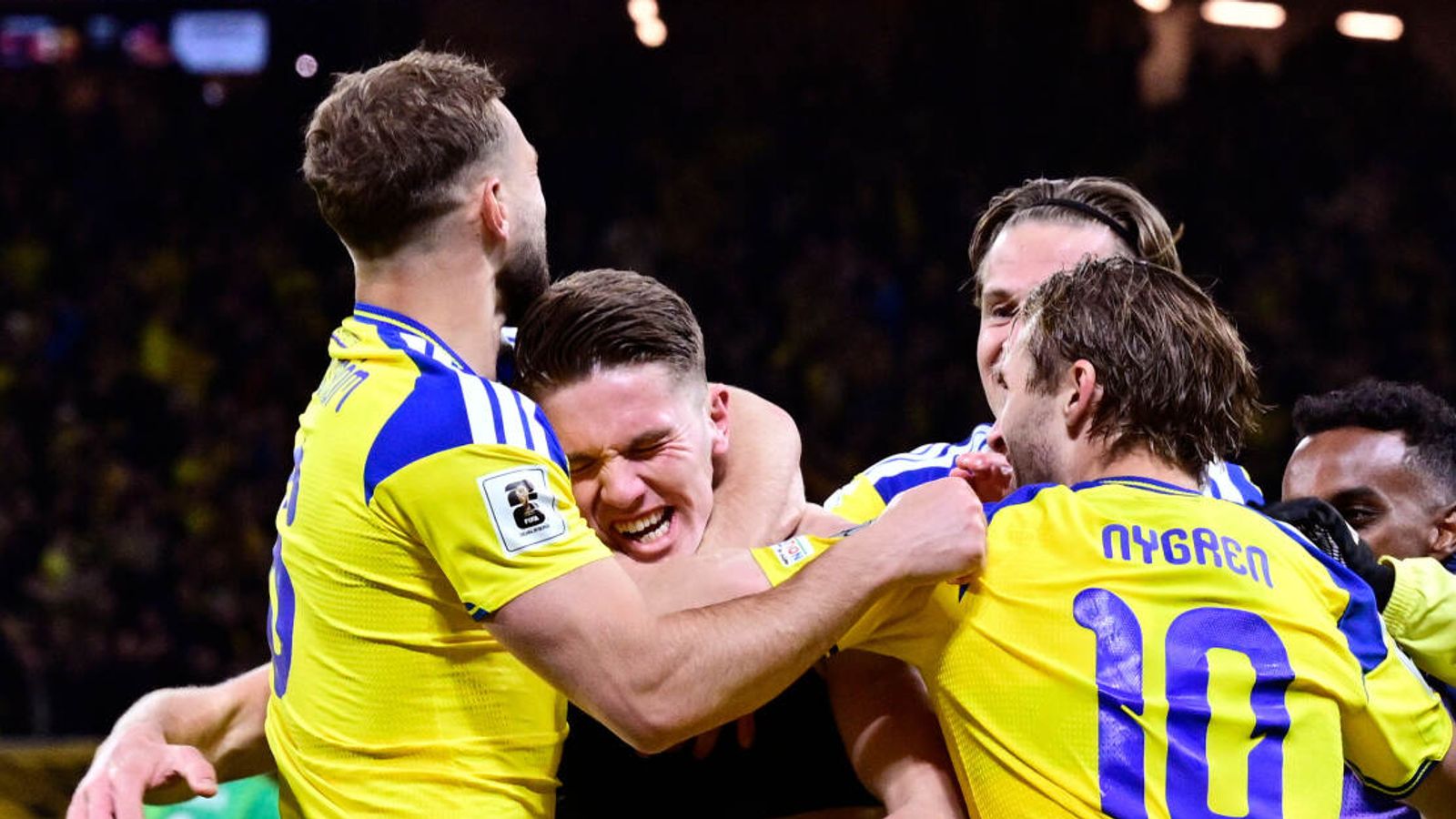
Graham Potter’s tactical identity has always relied on fluid movement and high positioning. With Viktor Gyokeres leading the line for Sweden, those abstract concepts have sharpened into a defined, goal-scoring reality. As Sky Sports recently confirmed, the striker's late winner secured Sweden's ticket to the World Cup, masking what was otherwise a stodgy, defensive-minded display during the qualifying stages.
Gyokeres operates in the channels with a level of industrial efficiency that is rare at the international level. He does not hunt for highlight-reel goals; he hunts for pockets of space behind the opponent's centre-backs. When he receives the ball on the half-turn, his decision-making is deliberately rapid. He averages nearly five touches in the opponent's box per 90 minutes, a figure that rivals elite finishers.
The structural limitations of Sweden's current set-up
Despite the success, the reliance on Gyokeres as a release valve is a potential point of failure. Sweden often looks lost in the final third when opponents close down the immediate passing lanes to their primary striker. If Gyokeres fails to hold the ball up or drags two defenders away from the center, the surrounding midfield is frequently static.
Watch the footage from the final qualifying matches: the transition from defense to attack is often too slow. There are moments where the wing-backs find themselves isolated, forced to cycle possession back to the center-backs because there are no vertical darts into the box. It is a one-dimensional approach that will be ripped apart by higher-tier opposition in the FIFA World Cup 2026 group stages if Potter does not refine the secondary attacking lines.
Analyzing the movement patterns
Gyokeres is at his best when he can peel towards the left flank, creating a vacuum in the middle for an attacking midfielder to exploit. Yet, the coordination between him and his teammates remains disjointed. There were at least three instances in the final 20 minutes of the last qualifier where he made the correct run, only for the ball-carrier to hesitate for a split second, allowing the defense to recover.
The late winner wasn't a product of an elaborate sequence, but rather an example of individual spatial awareness. He found the blind side of the covering defender at the 89th minute. It was clinical, it was necessary, but it should not be the singular mechanism for victory. Relying on an 89th-minute intervention is a precarious way to navigate a tournament fixture list.
Tactical evolution before June
Potter must decide if he wants to play through the striker or use him as a pure target for diagonal balls. If he persists with the current high-volume reliance, the physical toll on Gyokeres by the time the knockouts roll around will be immense. The striker has played a heavy volume of minutes this season, and the schedule for the summer tournament is unforgiving.
There is also a question of defensive transition. When Sweden presses high, the lack of central cover behind the attacking line leaves the team exposed to rapid counter-attacks. During the last international break, two separate transitions resulted in xG values exceeding 0.7 against Sweden. That indicates an alarming vulnerability that simply won't survive the scrutiny of a major international tournament.
Building a team around a single, highly efficient operator is a common trap for international coaches. Potter has the individual talent in Gyokeres to paper over the gaps, but the gaps are real and systemic. If the movement around the striker remains stagnant during the build-up phase, teams with more disciplined defensive shapes will simply box him out. The time for experimentation is narrow; with the tournament kicking off on June 11, 2026, tactical adjustments must happen on the training pitch during the upcoming April camps.
Amazon Fire TV Stick 4K with Alexa Voice Remote
The ultimate way to stream every match in crystal clear 4K.
Frequently Asked Questions
How does Viktor Gyokeres contribute to Sweden’s tactical setup?
What are the structural risks of Sweden's reliance on Gyokeres?
Why is the current reliance on Gyokeres considered precarious?
What movement patterns does Gyokeres utilize to create space?
What tactical improvements must Potter make before the World Cup?
More Coverage
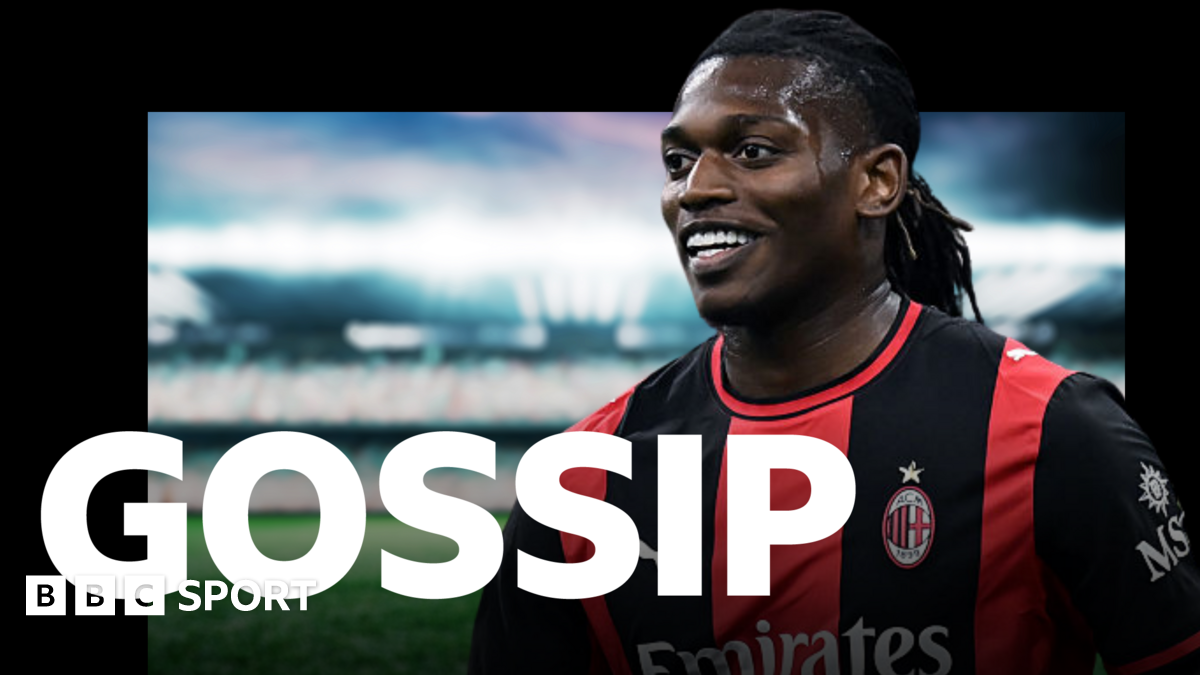
Manchester United are chasing ghosts with the Leao pursuit
an hour ago
Why England must fear Panama's disciplined low block
2 hours ago
Arsenal vs PSG: Why tactical rigidity will determine the European champion
3 hours agoLincoln City just entered the weirdest experiment in League One history
5 hours ago
Arsenal’s title win has changed the math for London football
7 hours ago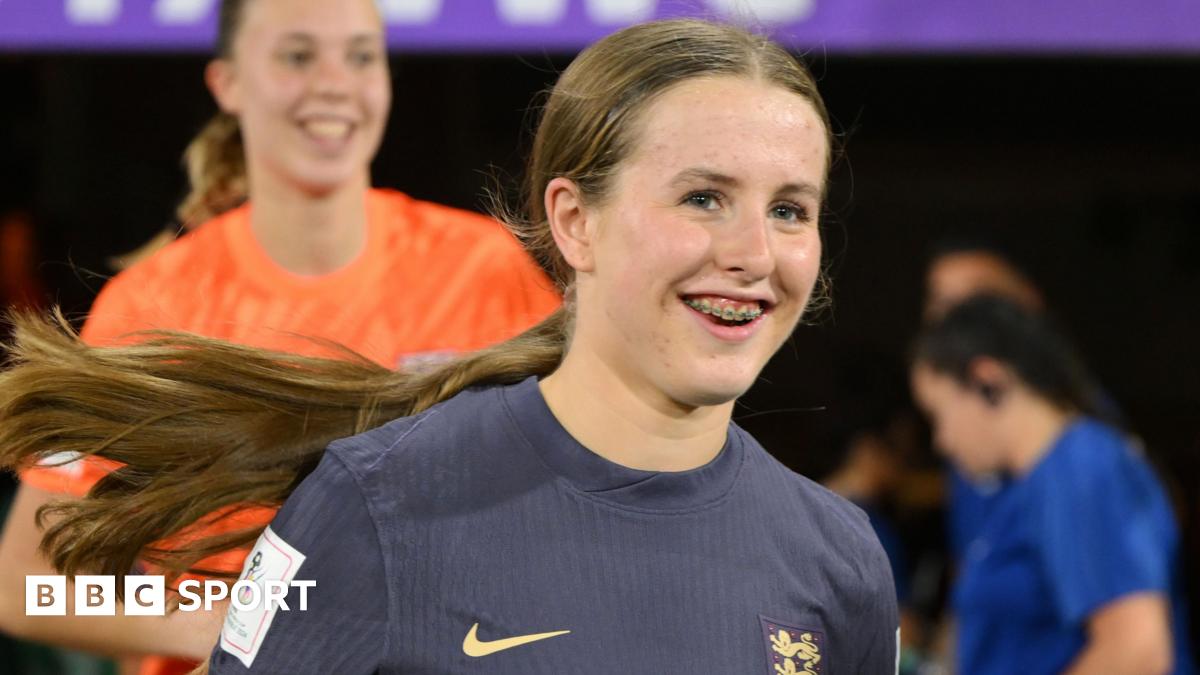
Emily Cassap represents a shift in Northern Ireland's tactics
12 hours agoMore Analysis
Viktor Gyokeres is the new king of Sweden and everyone is losing it
1 month, 4 weeks ago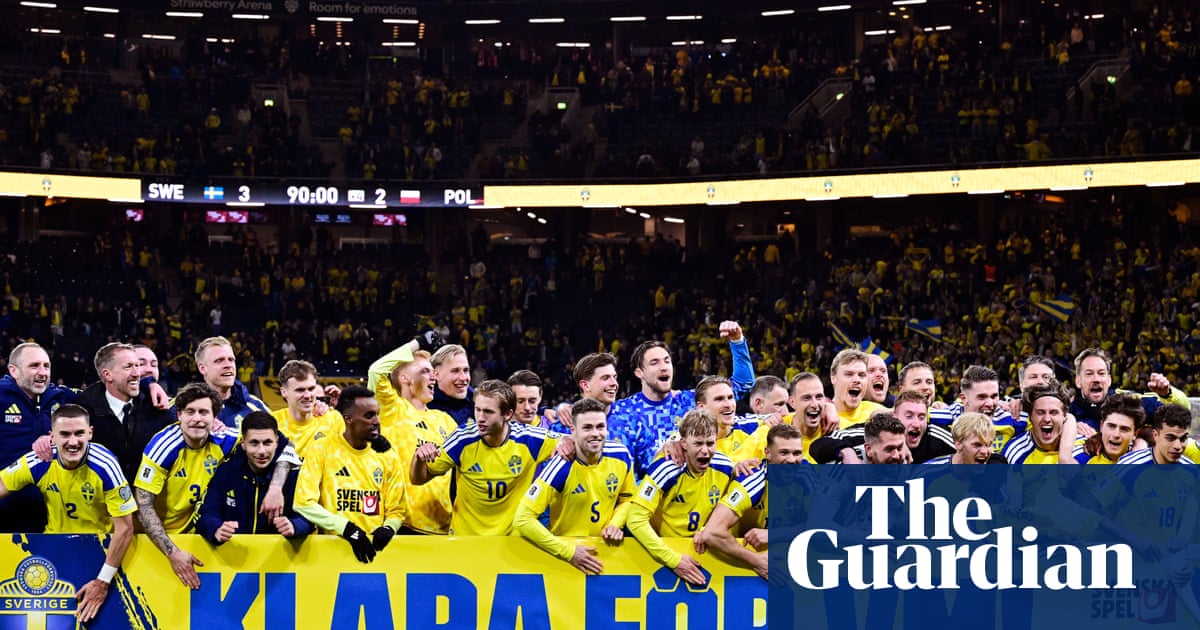
Graham Potter's Swedish gambit is actually working
1 month, 4 weeks ago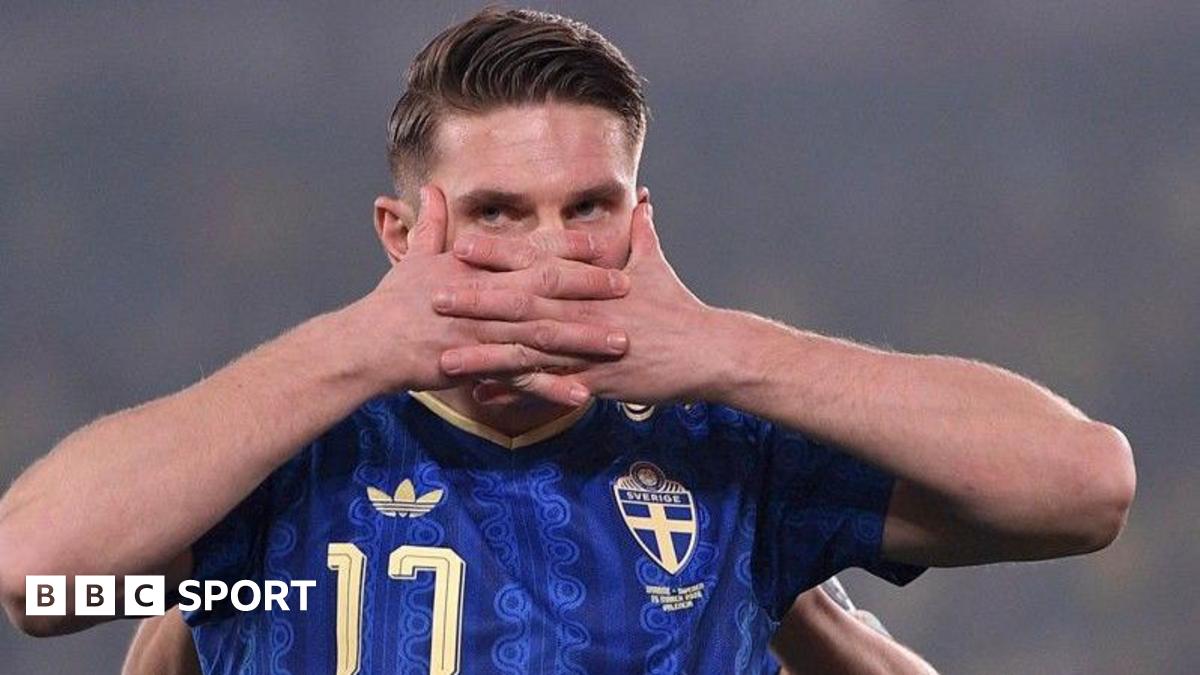
Viktor Gyokeres is the only thing standing between Kosovo and history
2 months ago
Gyökeres Hat-Trick: Potter's Sweden One Game from World Cup Redemption
2 months ago
Graham Potter and Craig Bellamy face a brutal World Cup playoff reality
2 months ago