The Inevitable Truth
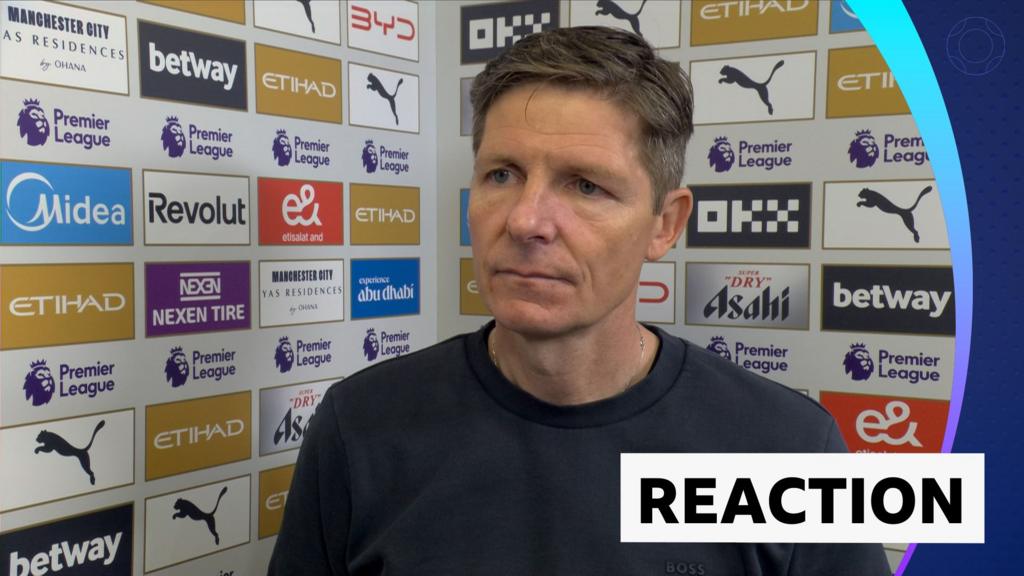
“Man City were too good for us.” Four words. Uttered by Oliver Glasner after his Crystal Palace side, presumably, took a pasting from Pep Guardiola’s Sky Blue juggernaut. On the surface, it’s just a post-match concession, the kind of polite, understated remark managers trot out when their tactical master plan has been reduced to rubble by a superior force. But dig a little deeper, listen a little closer, and you hear something else entirely. It’s not just an admission of defeat; it’s an epitaph. An almost weary acceptance of an uncomfortable truth that’s slowly strangling the competitive spirit out of the Premier League.
This isn’t about Glasner specifically, a manager who’s shown he can squeeze blood from a stone. This is about what his words represent: a creeping normalcy of Man City’s utter dominance. It’s no longer a shock; it’s a given. And when the best tacticians in the world start shrugging their shoulders and saying, ‘Well, what can you do?’ then we, as fans, have to ask: what *can* we do? Or perhaps more pointedly: what’s left to get excited about?
The Pep Effect and the Financial Chasm
The Unstoppable Juggernaut
Let’s not pretend this is simply about the genius of Pep Guardiola, though he is undoubtedly one of the greatest footballing minds of all time. His tactical innovations are legendary, his ability to evolve and adapt, unparalleled. But even the greatest chef needs the finest ingredients. And Manchester City’s pantry, let’s be honest, is stocked with Michelin-star produce acquired with a credit card that seemingly has no limit.
Think about it. Kevin De Bruyne, Phil Foden, Erling Haaland – each a world-beater in their own right, capable of turning a game on its head with a flick of the boot or a burst of pace. City doesn’t just replace their stars; they upgrade them, often buying a direct replacement before the original has even packed his bags. This isn't just shrewd management; it's a financial arms race where everyone else is bringing a butter knife to a nuclear war.
The Ever-Widening Gap
The financial disparity isn't a new story, but it’s become so stark it’s almost boring. When Glasner says City were “too good,” he’s not just talking about what happened on the pitch that specific afternoon. He’s acknowledging the structural, systemic advantage that allows City to build not just one, but two or even three world-class starting elevens. Injuries? Suspensions? Player fatigue? Pep just pulls another £50 million superstar off the bench. It’s a luxury most clubs can only dream of, and it fundamentally distorts the notion of fair competition.
We used to celebrate the underdog, the giant killer. Now, an underdog merely *keeping* the score respectable against City is deemed a moral victory. When did the bar drop so low? When did we collectively decide that simply surviving a City onslaught was an achievement worthy of praise?
The Glasner Paradox
Honesty or Resignation?
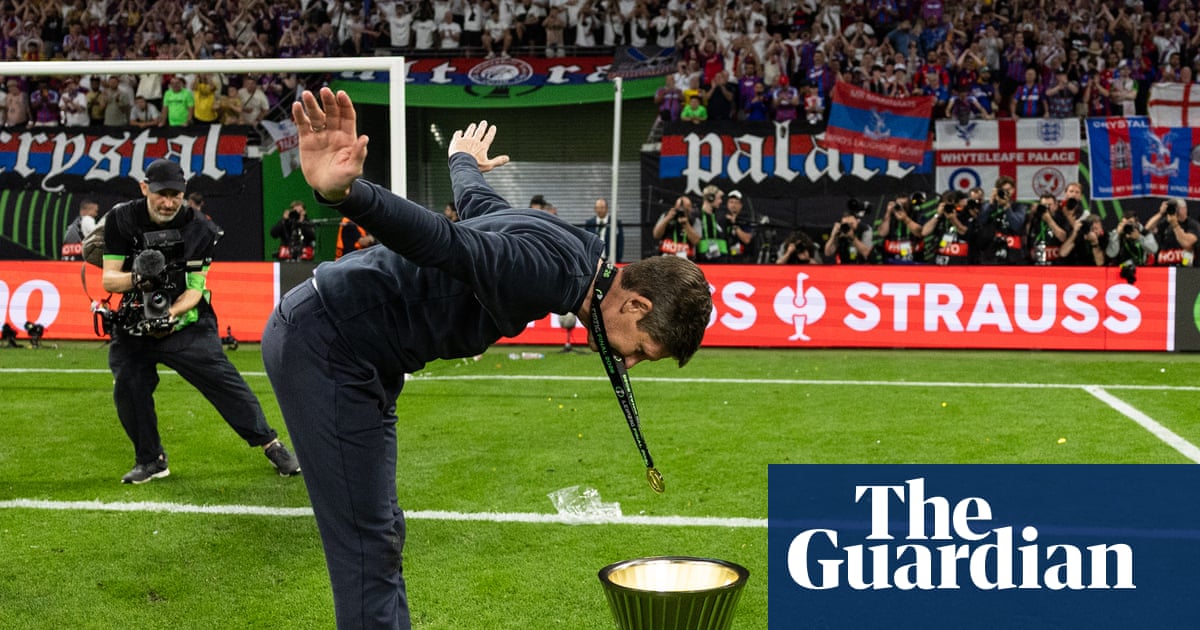
Oliver Glasner isn’t a man known for throwing in the towel. His Eintracht Frankfurt side tore through European football just a few years ago, stunning teams with their relentless pressing and tactical discipline, eventually lifting the Europa League trophy. He arrived at Palace with a reputation for demanding intensity and strategic intelligence. So, for *him* to utter those words, “Man City were too good for us,” it cuts deeper. It feels less like an excuse and more like a profound, perhaps even frustrated, statement of fact.
Is it refreshing honesty in a world of managerial platitudes? Or is it a dangerous precedent, an admission that the battle is over before it’s even truly begun? Managers used to find something, anything, to cling to after a heavy defeat – a refereeing decision, a lucky bounce, an off day. Glasner offered none of that. Just the cold, hard reality that, on that day, and perhaps on many days to come, the difference in class was insurmountable.
The Death of the Underdog Spirit
Remember when Leicester City defied all odds to win the Premier League title in 2016? That felt like a movie script. It was proof that anything was possible, that money wasn’t everything. Now, that feels like a fairy tale from a bygone era. The financial gap has only widened, the dominant forces only strengthened. Glasner’s quote isn't just about his team; it’s about the collective psyche of the Premier League, where clubs outside the elite increasingly prepare to lose against City, rather than genuinely believe they can win.
Where’s the defiance? The tactical gambles that might just pay off? It feels like many teams are playing for damage limitation, hoping to escape with a narrow loss rather than risking a comprehensive thrashing by going toe-to-toe. This pragmatic approach, while understandable from a managerial perspective, sucks the joy and unpredictability out of the spectacle for the fans.
What Does This Mean for the Premier League?
A Predictable Throne
The Premier League has long prided itself on being the most competitive league in the world, a chaotic, unpredictable rollercoaster of drama. But how competitive is it truly when one team consistently hoovers up the vast majority of available silverware? We’re rapidly approaching a point where the title race, for many, is a foregone conclusion. Sure, Arsenal or Liverpool might give them a scare for a few months, but come April, the blue ribbon almost always seems destined for the Etihad. It’s becoming less of a race and more of a procession.
This kind of sustained, almost sterile dominance, isn’t good for anyone in the long run. It dulls the excitement, reduces the stakes for non-City fans, and creates a sense of futility for every other club and their supporters. If everyone expects City to win, does it even feel like a victory when they do? Or is it just another confirmation of the inevitable?
The Erosion of Hope
The critical observation here is blunt: Glasner’s quote, stripped bare, reveals a depressing truth about the state of modern elite football. The joy of genuine competition, the thrill of the unexpected upset, the belief that *any* team on *any* given day can beat *any* other team—these core tenets are eroding. When a talented manager with a proven track record concedes defeat with such stark finality, it signals a deeper problem than just one bad result. It speaks to a league where parity is a distant dream and the top is becoming increasingly inaccessible.
The Hope for the Future (or Lack Thereof)
So, what’s the solution? Do we throw our hands up and simply applaud City’s relentless efficiency? Do we wait for Pep to eventually move on, hoping the next manager can’t quite replicate the magic (or the bottomless pit of cash)? Or do we demand more from the other clubs, from the league, from the very structure of football?
Perhaps it’s time for other clubs to be less accepting. To stop giving City the respect that translates into fear on the pitch. To innovate not just tactically, but in how they identify talent, how they develop players, and how they build a sustainable, competitive model without simply trying to outspend the behemoth. Because if Glasner’s words become the standard managerial refrain, then the Premier League isn't just losing its competitive edge; it's losing its soul. And that, for any true football fan, is a tragedy far greater than any single defeat.