The Trap of the Savior Complex
Nineteen days from now, the World Cup kicks off in North America. Yet, instead of refining a high-octane machine built around Europe’s most lethal young wingers, Brazil is looking backward. Carlo Ancelotti's decision to stake the Seleção's campaign on a creaking superstar will cost them the tournament.
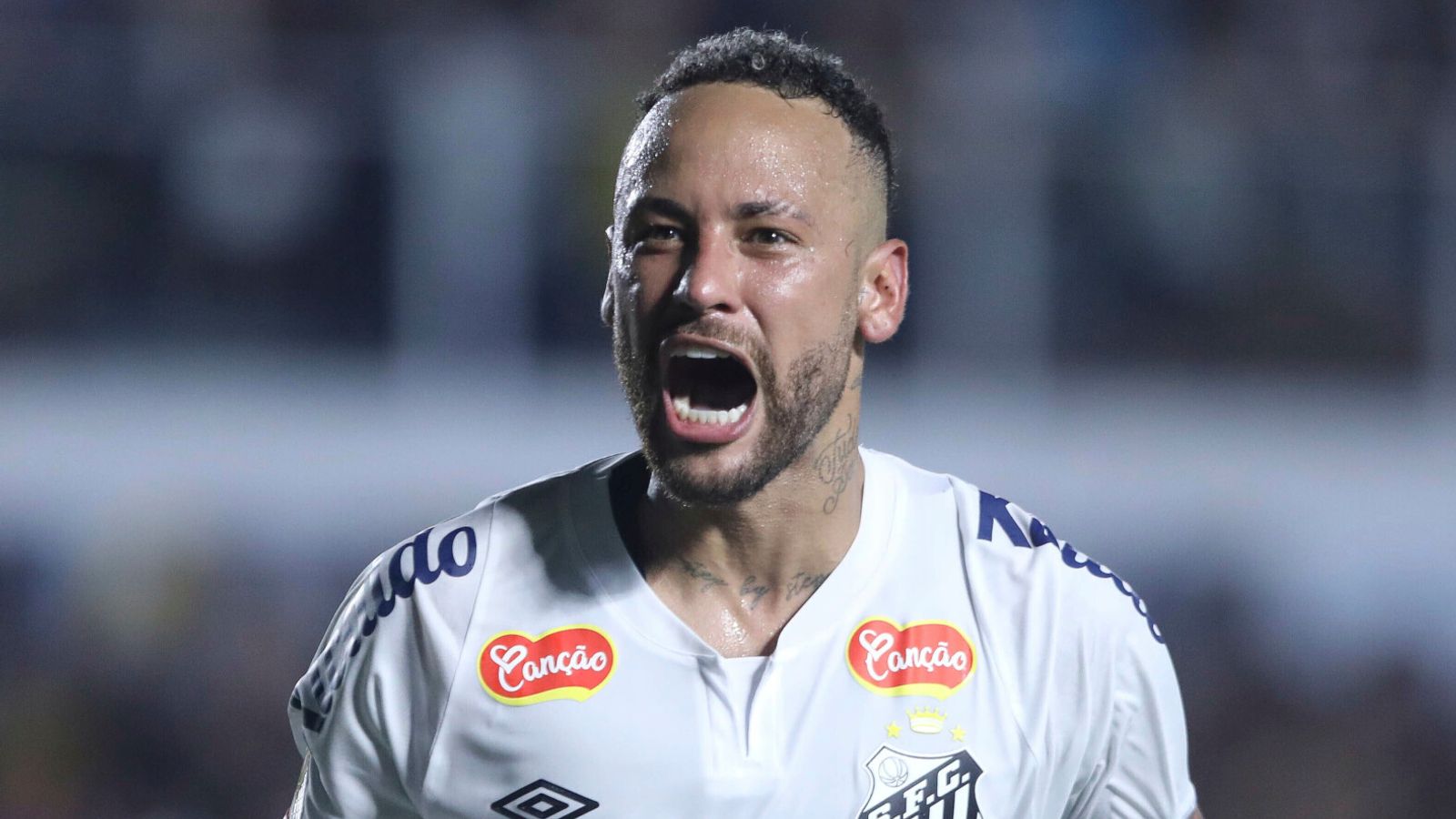
The selection of Neymar is not a footballing decision; it is a political surrender. As Jonathan Wilson noted in The Guardian, selecting this creaking talent underlines the intense demands even the most successful coach in Champions League history cannot escape. Brazil has spent sixteen years searching for an individual savior, a direct heir to Pelé's mythological status.
But the year is 2026, not 2014, and Neymar is thirty-four years old. After three years in the Saudi Pro League recovering from a devastating knee reconstruction, expecting him to lead an intense international press is pure fantasy. It is the classic mistake of a federation obsessed with star power over team cohesion.
Brazil’s obsession with a single talisman has repeatedly crippled their World Cup ambitions. The emotional collapse after Neymar’s 2014 injury led directly to the 7-1 humiliation in Belo Horizonte. Now, they are repeating the exact same pattern with a player who is physically a shadow of his former self.
The Tactical Implosion of a Static Neymar
Modern tournament football is won in the transition phases. Teams that carry defensive passengers get shredded by high-tempo, physical midfields. During the 2022 World Cup, Neymar recorded a pathetic 2.1 pressures per ninety minutes in the defensive third.
He does not run. He does not track. He does not close passing lanes. To accommodate this lack of out-of-possession work, Ancelotti will have to compromise his midfield setup. You cannot play a high defensive line with a forward line that refuses to press.
It forces the double-pivot of Bruno Guimarães and João Gomes to drop deep, creating a massive gap between the lines. European heavyweights like France or Spain will exploit this space within ten minutes of kickoff. Ancelotti wants to replicate Lionel Messi’s 2022 Argentina blueprint, but Brazil lacks the squad profile to support a static playmaker.
Lionel Scaloni built a team of ultra-disciplined runners who happily covered ten kilometers per game just to let Messi conserve his energy. Brazil’s midfield profile consists of aggressive ball-winners and box-to-box creators who need vertical space. Furthermore, playing in summer temperatures across Dallas, Miami, and Atlanta requires immense physical output.
At Real Madrid, Ancelotti mitigated defensive passenger issues by deploying an incredibly industrious midfield engine. Federico Valverde and Eduardo Camavinga covered massive ground to protect the defensive block. Brazil's current defensive line, specifically Gabriel Magalhães and Marquinhos, is used to playing in high-pressing club systems at Arsenal and PSG. Forcing them to defend in a deep, passive low block because Neymar cannot press will completely neutralize their progressive passing and aggressive interception strengths.
A 34-year-old with a reconstructed ACL cannot sustain ninety minutes of high-intensity play in thirty-five-degree heat. Ancelotti will be forced to use early substitutions, burning valuable bench options just to keep his central passenger afloat.
The Wingers in Chains
The collateral damage of this Neymar obsession is the immediate stifling of Vinicius Junior. Vinicius is currently the most devastating left-sided forward in world football. He thrives on isolation play, rapid transitions, and vertical runs into the half-spaces.
With Neymar on the pitch, that space disappears. Neymar naturally drifts to the left-half space, occupying the exact zones Vinicius needs to exploit. Instead of driving at defenders, Vinicius is forced to play wider, acting as a decoy rather than the primary weapon.
Then there is Endrick. The young forward has the physical profile to lead a modern front line. He presses aggressively, makes intelligent runs off the shoulder of the last defender, and creates chaos with his raw power.
Benching Endrick to accommodate a stationary Neymar is a tactical regression of the highest order. It denies Brazil the focal point they desperately need to stretch opposing defenses. Rodrygo is another victim of this arrangement, shunted to the right wing where his creative passing is largely wasted.
The Myth of the Big-Match Deciser
Neymar's defenders always point to his big-match pedigree. They argue he possesses the magical quality to decide tight games with a single moment of genius. But a cold look at his knockout-stage record reveals a different story.
In 2018 against Belgium, he was pocketed by Axel Witsel and Marouane Fellaini. In 2022 against Croatia, despite his brilliant individual goal in extra time, his inability to manage the game's tempo led directly to Croatia's equalizer in the 117th minute. Relying on a player who has not played elite European football since 2023 is a massive gamble.
The Saudi Pro League does not prepare a player for the defensive intensity and tactical sophistication of a World Cup knockout match. Since his $100 million transfer to Al-Hilal, Neymar has managed just 5 appearances before his knee gave out. He has spent more time in rehabilitation clinics than on the pitch.
The Verdict: An Inevitable Collapse
Let's be absolutely clear: Brazil will ease through their group because their raw talent is simply too high. They will destroy lower-ranked teams on individual brilliance alone. Vinicius will score a couple of trademark goals, Neymar will convert a penalty, and the Brazilian press will declare them favorites.
The collapse will happen the moment they face a tactically structured European opponent in the quarter-finals. A team like Germany or France will cede possession, block the central corridors, and trap Brazil on the counter. Without a functional counter-press, Ancelotti’s side will be incredibly vulnerable to rapid transitions.
Brazil's long drought since 2002 will continue. This tournament was supposed to be the coronation of the new generation—Vinicius, Rodrygo, Endrick, and Bruno Guimarães. Instead, it will be remembered as an expensive vanity project. Carlo Ancelotti’s gamble will fail, and Brazil will crash out in the quarter-finals, victims of their own refusal to let the past go.
Read Next
- Celtic should let Martin O'Neill walk away after his Hampden mic drop
- Arsenal broke their 22-year drought but Tottenham are fighting to survive
- Leicester's survival rests on breaking the second tier's meanest defense
- Celtic's double is a statistical anomaly that should worry Dermot Desmond
- 🏆 World Cup 2026 — Full Coverage Hub
- 🇧🇷 Brazil World Cup 2026 — A Seleção Hub