The weight of a late-March derby
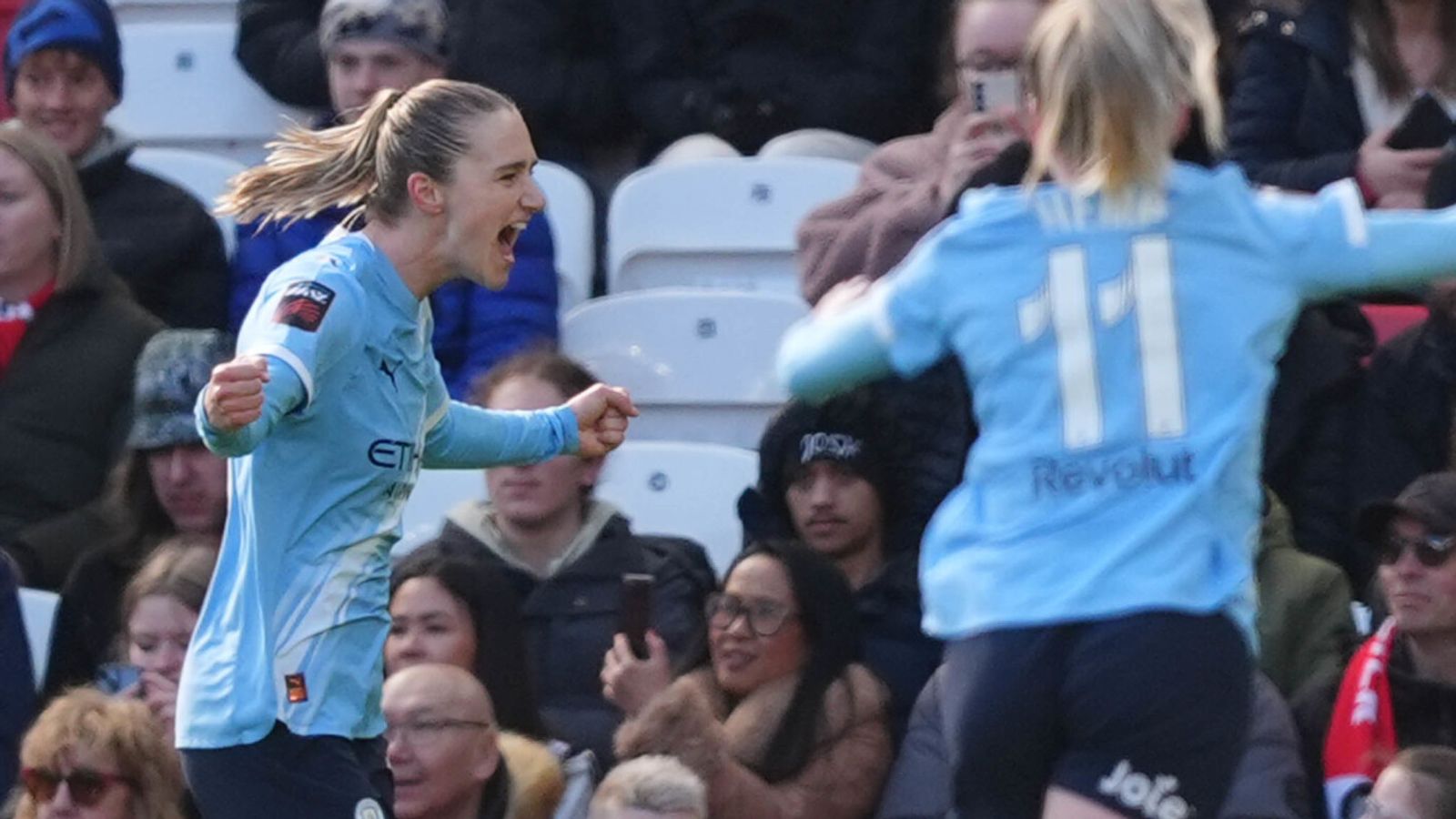
The air changes in late March. The winter slog gives way to faster pitches and higher stakes. We are entering the defining stretch of the Women's Super League season. Manchester United hosting Manchester City is never a quiet affair. But this weekend, the fixture feels heavily weighted in one direction.
City are arriving with terrifying momentum. They have spent the last few weeks running riot across the division, dismantling defensive blocks with clinical precision. United, meanwhile, are desperately trying to hold their shape and stay relevant in the upper echelons of the table.
This is not a game that will be decided by raw passion or local pride. It will be decided by spatial manipulation. Gareth Taylor has built a City machine that thrives on stretching the pitch, while Marc Skinner is forced into a reactive stance.
The wide overloads
City's attacking structure is built around isolation and overload. They do not just pass the ball to keep possession. They pass the ball to move the opposition's defensive block. When the ball goes wide to Lauren Hemp or Chloe Kelly, it is rarely a one-on-one situation by accident.
The sequence is always deliberate. A center-back steps out, the full-back pushes high, and the central midfielder drifts into the half-space. It creates a triangle that overloads the defending full-back. United have struggled with this exact pattern all season. Their wingers do not track back with enough urgency, leaving their outside defenders horribly exposed.
If United drop into a low block, they invite City to camp outside their penalty area. But if they press high, they risk leaving massive gaps in behind. It is a tactical trap. City want you to press. They want you to break your shape so Bunny Shaw can exploit the space you leave behind.
The midfield transition problem
Marc Skinner has to find a way to connect his defense to his attack. When United win the ball back deep in their own half, the initial pass is almost always negative. They look backwards because the midfield pivot is too deep, terrified of the City counter-press.
This deep positioning isolates players like Ella Toone. She is left chasing shadows, receiving the ball with her back to goal and three sky-blue shirts instantly collapsing on her. City's counter-pressing triggers are immediate. The moment possession is lost, the nearest three players swarm the ball carrier.
United cannot play through this press with slow, methodical passing. They need direct, vertical transitions. But doing so requires a bravery that has been glaringly absent in recent weeks. They treat the ball like a live grenade in these high-pressure moments.
The defensive line height
Another tactical battleground will be the height of United's defensive line. If they drop too deep, they invite pressure. If they push too high, they leave space for City's wingers to exploit. It is a terrifying tightrope to walk.
City's forwards are incredibly adept at timing their runs. They curve their sprints to stay onside, waiting for the exact moment the ball leaves the midfielder's foot. United's offside trap is notoriously leaky. They lack the communication required to step up in unison, often leaving one defender playing the attacker onside.
This lack of synchronization is fatal against elite opposition. You cannot give an attacker a two-yard head start and expect your goalkeeper to bail you out. The margins are simply too thin. United's center-backs will need to play the perfect game, constantly scanning and communicating, to keep a clean sheet.
The Merseyside contrast
While Manchester prepares for a tactical clinic, a very different kind of battle is brewing on Merseyside. Liverpool face Everton in a derby that promises to be a grueling test of endurance. Matt Beard has turned Liverpool into an incredibly resilient side, one that excels in breaking up play and winning second balls.
Expect Liverpool to edge Everton in a match defined by set-pieces and midfield attrition. Everton have flashed moments of technical brilliance this year, but Liverpool's defensive solidity usually prevails in these tight, low-scoring affairs. The contrast between the two derbies is stark. One is a battle for regional pride fought in the trenches; the other is a fight for the WSL crown played on a tactical chessboard.
Liverpool's ability to grind out results is a skill United currently lack. When Skinner's side falls behind, their heads drop. The tactical discipline unravels. Against City, a one-goal deficit can turn into three within ten minutes if that discipline falters.
Gareth Taylor's stubborn blind spot
For all of City's attacking brilliance, they are not flawless. Gareth Taylor is a manager deeply committed to his philosophy, sometimes to a fault. He demands that his team build from the back, regardless of the pressure being applied. This dogmatic approach offers a glimmer of hope for United.
When City's full-backs invert to create a numerical advantage in midfield, they leave vast acres of space in the wide channels. If United can force a turnover high up the pitch, specifically targeting the defensive midfielder, that space is ripe for exploitation.
The issue is execution. United's press is often disjointed. One forward sprints at the goalkeeper while the midfield stays rooted to the spot. A fragmented press against City is worse than no press at all. It just opens passing lanes that Alex Greenwood can exploit blindfolded.
The psychological toll of chasing the game
Football at this level is exhausting. Chasing the ball for sixty minutes drains the legs and dulls the mind. City know this. They use possession as a defensive weapon, starving the opposition of the ball until frustration sets in.
You can see it in the body language of City's opponents. A late tackle here, a missed assignment there. The mistakes compound. If United cannot disrupt City's rhythm early, the second half will be a procession. The crowd at the stadium will go quiet, the away end will turn up the volume, and the floodgates will open.
United need a disruptor. Someone willing to take a yellow card to break up a counter-attack. Someone who will challenge the physical dominance of City's center-backs. Without that grit, tactical plans are useless.
The battle between the sticks
A derby often hinges on a single save. When you are under siege, your goalkeeper is your last refuge. United have heavily relied on individual heroics between the sticks to bail out their leaky defensive line this season. But relying on your keeper to make five spectacular saves a game is not a sustainable tactical plan.
City's goalkeeping situation is vastly different. Their keeper is functionally an extra center-back in possession. They dictate the tempo of the build-up, baiting the opposition press before slipping a pass through the lines. This ability to break the first line of defense with a single pass bypasses the entire United front line.
If United press high and fail, they are immediately vulnerable. If they sit deep, they face a barrage of shots. The United goalkeeper is in for an exhausting afternoon. They will be tested not just by the volume of shots, but by the angle and proximity of City's chances. Most of City's goals come from inside the penalty area, specifically from those lethal cut-backs.
The final third ruthlessness
What separates City from the rest of the chasing pack right now is their shot selection. They do not waste possession on low-percentage strikes from outside the box. They work the ball into the penalty area, constantly probing for the cut-back.
The cut-back is the most dangerous ball in modern football. It takes the goalkeeper out of the equation and forces defenders to turn their backs to the attackers. City execute this pattern better than anyone in Europe. They hit the byline, drag the defensive line deep, and clip the ball back to the penalty spot.
United's center-backs have a terrible habit of ball-watching in these scenarios. They track the winger instead of scanning the box for late runners. If they do not fix that fundamental flaw before kickoff, City will punish them repeatedly.
Prediction
It is difficult to construct a compelling argument for a United victory. The structural disparity between the two sides is immense. City are operating with a clear, defined identity. United are still searching for theirs.
The first twenty minutes will be competitive. United will feed off the derby atmosphere. But as the game settles, City's possession game will take hold. They will isolate the full-backs, dominate the midfield transitions, and eventually break through.
Expect City to run riot. A commanding 3-0 away win seems not just possible, but entirely likely. Taylor's side are marching toward the title, and United are simply standing on the tracks.
Read Next
- Man City's derby demolition exposes United's tactical ceiling
- Man City are five points from the WSL title and the math is terrifying
- How Renée Slegers built Arsenal's best winning streak in a decade
- Man City are five points from the WSL title and fans are losing their minds
- ⭐ UCL 2026 — Champions League Quarter-Finals Hub