The BBC Reads the Tea Leaves
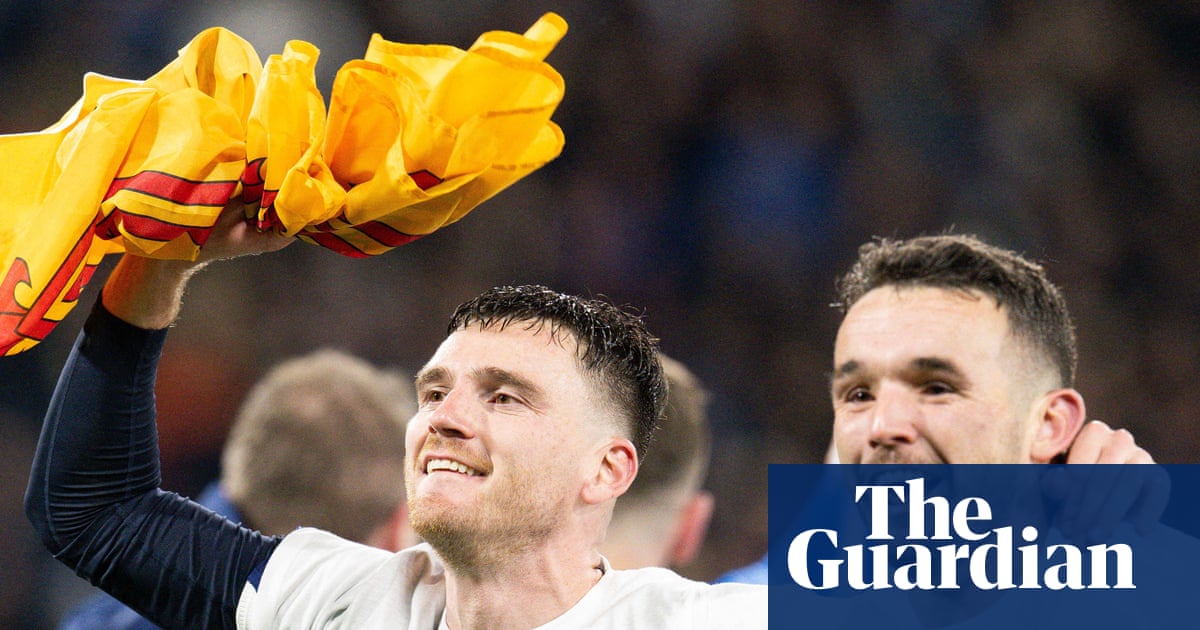
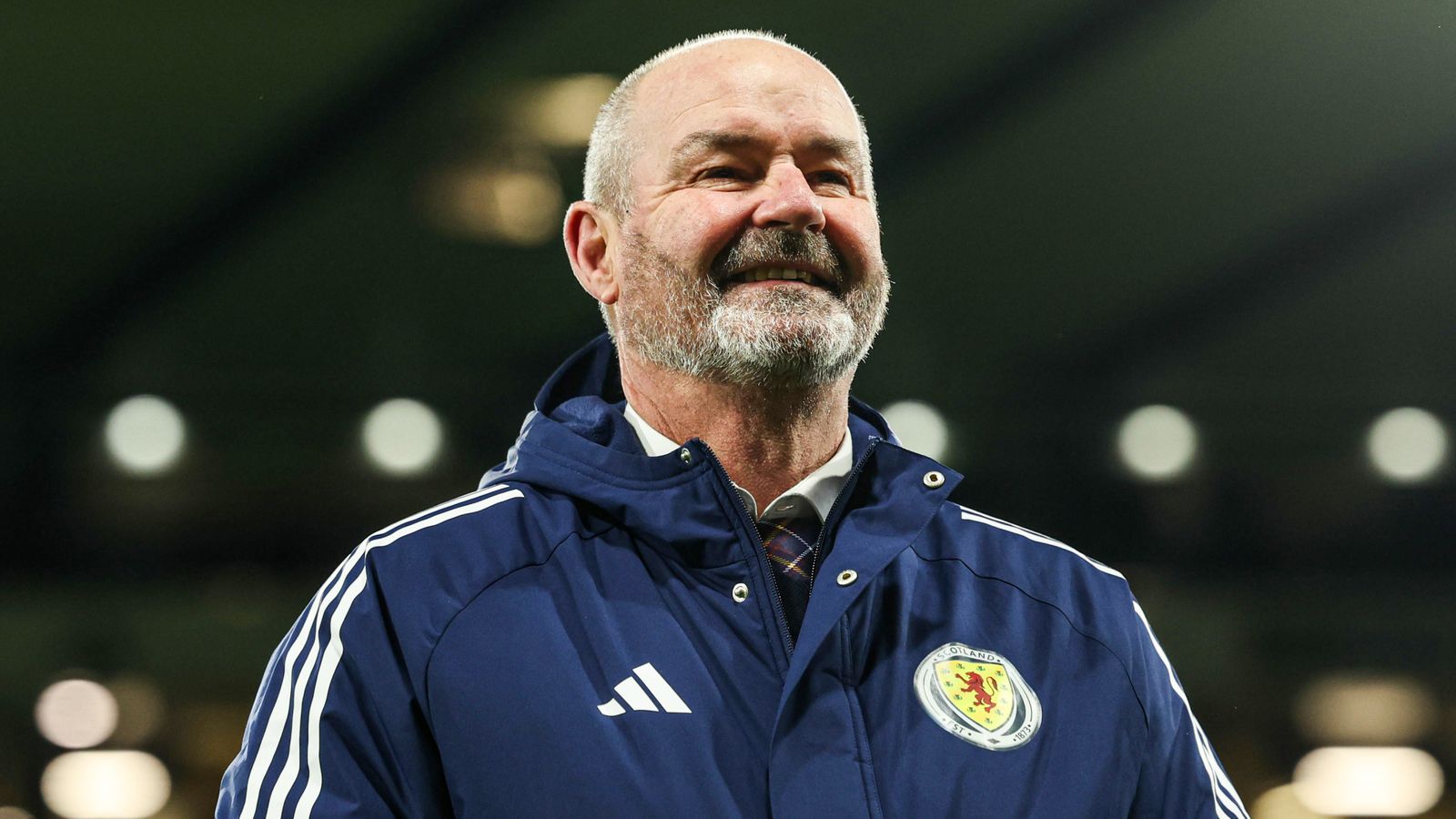
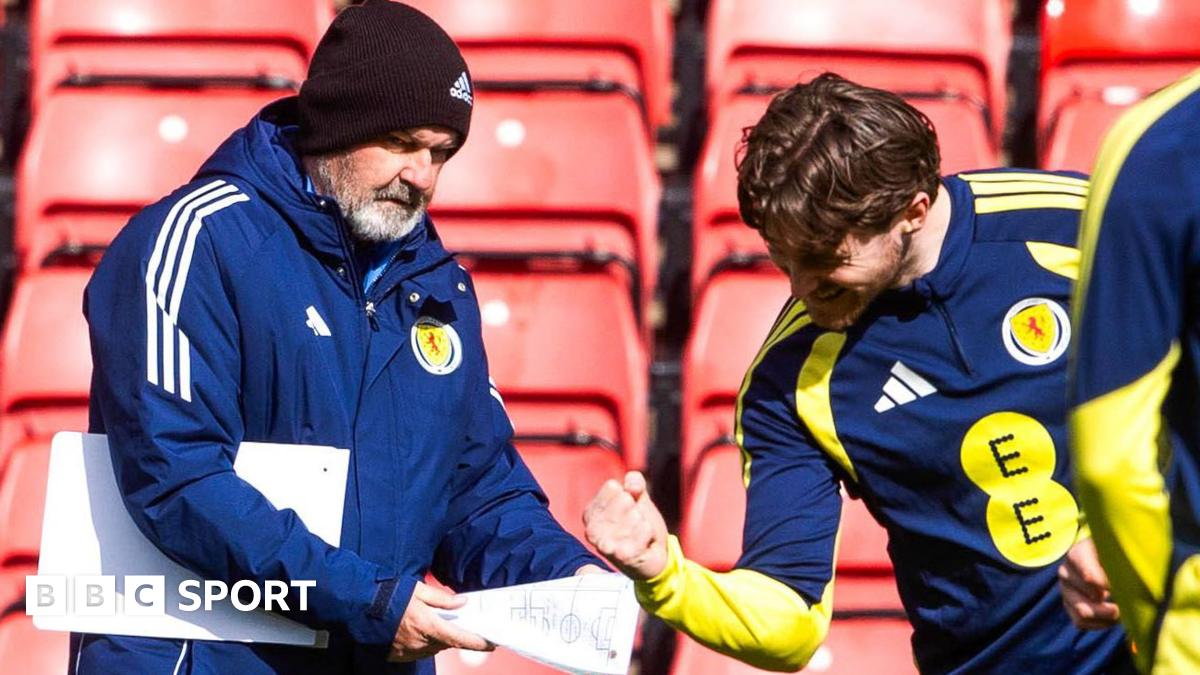
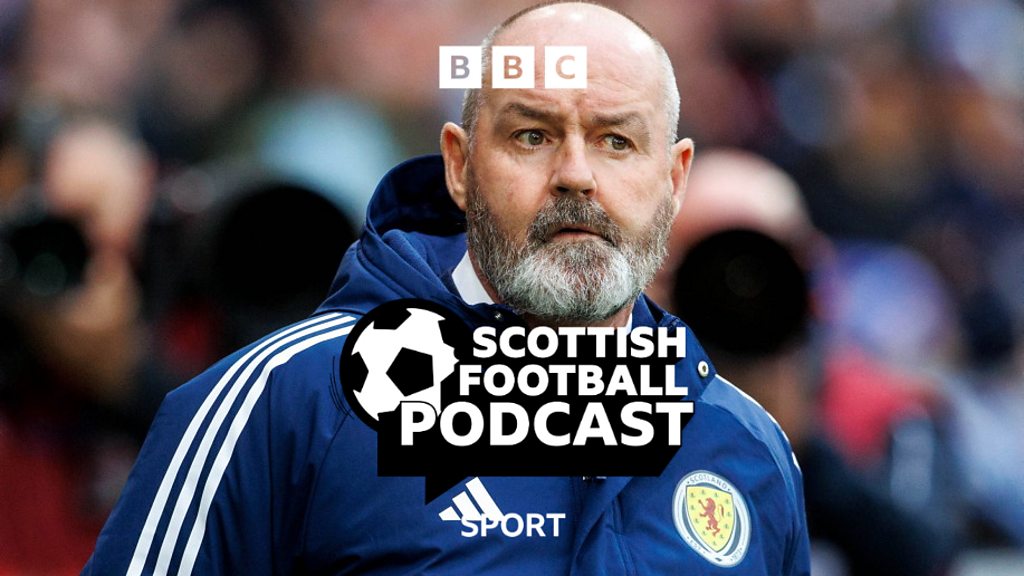
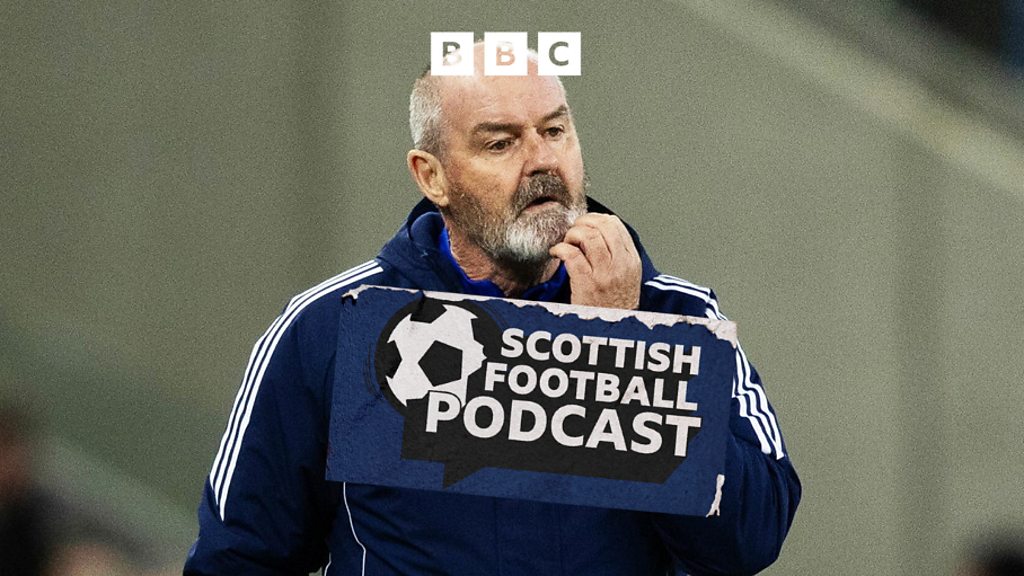
Scottish football operates on a permanent, unbreakable cycle of hope, crushing reality, and ensuing existential crisis. We are currently right in the thick of phase three. The national mood has curdled over the last few months. The BBC is now rolling out podcast segments openly questioning if Steve Clarke is going to stick around as the national team boss.
When the state broadcaster starts casually framing your tenure as a debate topic, you are usually drinking on borrowed time. It is a wildly jarring shift in tone for a guy who was basically canonized two years ago. They aren't throwing this out there for clickbait. They are throwing it out there because the whispers behind the scenes are getting undeniably loud.
Agents talk. SFA officials leak things when they get nervous. When the official broadcaster starts preparing the autopsy report, the body is usually already cold. Let’s be honest about the Clarke era, though. He inherited a toxic wasteland. He dragged a squad of varying abilities out of international irrelevance and forced them into back-to-back European Championships.
Hitting the Hard Ceiling
He turned Hampden Park back into a place where opposing teams actually felt a little bit of anxiety. He figured out how to fit Kieran Tierney and Andy Robertson into the same starting eleven without the whole system catching fire. That alone deserves a statue somewhere in Glasgow. But gratitude has a notoriously short shelf life in this sport.
The problem with raising the floor is that eventually, everyone gets furious that you haven't blown the roof off. Clarke’s Scotland has hit a terrifyingly hard ceiling. You can only grind out 1-0 wins and rely on Scott McTominay turning into prime Frank Lampard for so long before the underlying numbers violently catch up to you.
And boy, have they caught up. The tactical stubbornness that made them incredibly hard to beat has slowly mutated into a straightjacket. Opponents figured out the deep block. They stopped giving away cheap set-pieces in dangerous areas. And suddenly, Scotland looked like a team completely out of ideas in the final third.
This is the core of the entirely valid criticism aimed at Clarke right now. He is fiercely, sometimes irrationally, loyal to his core group of guys. When those guys are firing, it looks like brilliant man-management. When they are exhausted, carrying knocks, and out of form, it looks like a manager who flatly refuses to adapt.
The Midfield Migraine
The midfield debate alone is enough to give you a migraine. We have an abundance of completely competent central midfielders. We have guys who can run all day, break up play, and recycle possession efficiently. What we do not have is a singular, game-changing creative force.
When the opposing defense sets up camp on the edge of their own box, you need someone who can pick a lock. Clarke keeps trying to smash the door down with a battering ram. You watch them try to break down a well-organized defense, and it is like watching someone try to chop down an oak tree with a butter knife.
There is no Plan B. There is just Plan A, executed with increasing levels of panic. Let's talk about the striker situation, or rather, the distinct lack of one. For years, we have been asking guys to play an utterly thankless lone-forward role. They are isolated, battered by massive center-backs, and expected to feed off scraps.
Che Adams runs himself into the ground every single window. Lyndon Dykes wins his flick-ons and takes elbows to the jaw. But the actual goal return is completely dismal. You cannot survive at the highest level of international football hoping your wing-backs occasionally chip in with a deflected volley.
The Weight of the Job
So now the question being floated on the airwaves isn't just "can he fix it?" It is "does he even want to?" International management ages you in dog years. The man looks physically exhausted on the touchline half the time. The media scrums clearly drain him.
If he walks away right now, his legacy is perfectly secure. He is the guy who ended the drought. He is the guy who made us stop watching summer tournaments with pure, unadulterated bitterness. If he stays, he risks overseeing a brutal regression to the mean.
The squad is visibly aging. The next generation of talent isn't exactly kicking the door down with undeniable potential. Rebuilding a national team while simultaneously trying to grind out results in qualifying groups is like trying to change a tire while the car is driving down the M8.
Let's not forget the looming shadow of the 2026 World Cup. The tournament kicks off in exactly three weeks. The fact that we are sitting here in late May dealing with rampant speculation about the manager's future is an absolute distraction. We can never just have a normal, quiet build-up to anything in this country.
The SFA's Worst Nightmare
If Clarke actually walks, the SFA faces a monumental task replacing him. Do you go for another pragmatic Scottish manager who knows the league inside out? Do you take a wild, expensive swing on a foreign coach who doesn't understand the unique limitations of our player pool?
The sheer potential for a catastrophic appointment is staggering. We have seen this movie before. The post-success hangover in international football is vicious. Just look at the absolute mess some of the bigger nations get themselves into when a long-tenured, successful manager finally bows out.
Scotland simply doesn't have the depth of talent to mask a bad managerial hire. If the next guy gets it wrong, they are straight back to finishing fourth in qualifying groups behind pot three nations. That fear is exactly why so many fans are desperate for Clarke to stay, even while actively complaining about his team selections every single week.
It is the classic devil you know scenario. We hate the football sometimes, but we terrify ourselves thinking about what comes next. And that same fear is exactly what drives the teams stepping onto the pitch for the play-off final.
The Pure Anarchy of the Play-offs
And while the national team debates tear themselves apart, we have the beautiful, ugly distraction of the Premiership play-off final. The BBC bundled these two topics together on their broadcast for a reason. They are the twin pillars of Scottish football anxiety.
The play-off final is arguably the most compelling, terrifying fixture on the domestic calendar. It is a pure, unfiltered exercise in sporting panic. I genuinely believe this fixture should be studied by sports psychologists. It induces a unique type of trauma in the fanbase.
On one side, you have the Premiership team desperately trying to avoid the financial black hole of relegation. The Championship is a miserable place to get stuck. Budgets get violently slashed. Good players leave on free transfers to newly promoted clubs. The fear in the boardroom is entirely justified.
On the other side, you have the Championship hopefuls. They have been grinding through a punishing 36-game schedule, followed by the grueling earlier rounds of the play-offs. They are running entirely on fumes, adrenaline, and the desperate promise of top-flight television money.
These games are rarely tactical masterclasses. They are frantic, error-strewn brawls. It is 180 minutes of players treating the football like it is coated in radioactive waste. Nobody wants to make the one mistake that costs their employer millions of pounds.
Razor Thin Margins
The away goals rule might be gone from European football, but the tension in these two-legged ties remains uniquely suffocating. The first leg is always a cagey, paranoid affair. Nobody wants to lose the entire tie in the first 90 minutes. It usually ends in an agonizingly dull draw.
That sets up a second leg that inevitably descends into absolute anarchy. You are guaranteed to see at least two horrendous defensive mix-ups, a wildly controversial refereeing decision, and a manager losing his mind at the fourth official. This is the absolute essence of the Scottish game.
The pundits on the radio are doing their best to read the tea leaves for both situations. They are analyzing Clarke's body language in press conferences from three weeks ago. They are breaking down the expected goals data for a play-off final that will inevitably be decided by a messy set-piece scramble in the 89th minute.
It is all educated guesswork. That is the beauty of this brand of chaos. Nobody actually knows anything until the official statements drop or the final whistle blows. We are all just sitting around, constantly waiting for the other shoe to drop.
Maybe Steve Clarke has one more great escape in him. Maybe he decides to let someone else try to solve the eternal puzzle of this miserable, brilliant sport. Either way, the next few weeks are going to be incredibly loud.
Read Next
- Aberdeen's ruthless raid on Kilmarnock exposes the SPFL food chain
- Andy Robertson to Celtic: Analyzing the ambitious plan to bring the captain home
- Hearts are absolutely right about the Celtic Park pitch invasion nightmare
- Southampton just threw away a massive promotion over a guy in bushes
- ⚽ Scottish Premiership 2025-26 — Celtic vs Rangers Hub