The Anatomy of a Stoppage-Time Robbery
Let’s break down exactly what happened at the Tottenham Hotspur Stadium yesterday. It’s deep into stoppage time. The board showed a minimum of eight minutes, but various injuries and time-wasting tactics have dragged the match into the 103rd minute.
Tottenham, desperate and disjointed, are throwing bodies into the box against a Leeds United side that has spent the last half-hour parked in a rigid, low-block 4-4-2. The tension inside the stadium is suffocating. Every heavy touch draws a groan. James Maddison receives the ball on the right edge of the penalty area, scanning for an opening that simply isn't there.
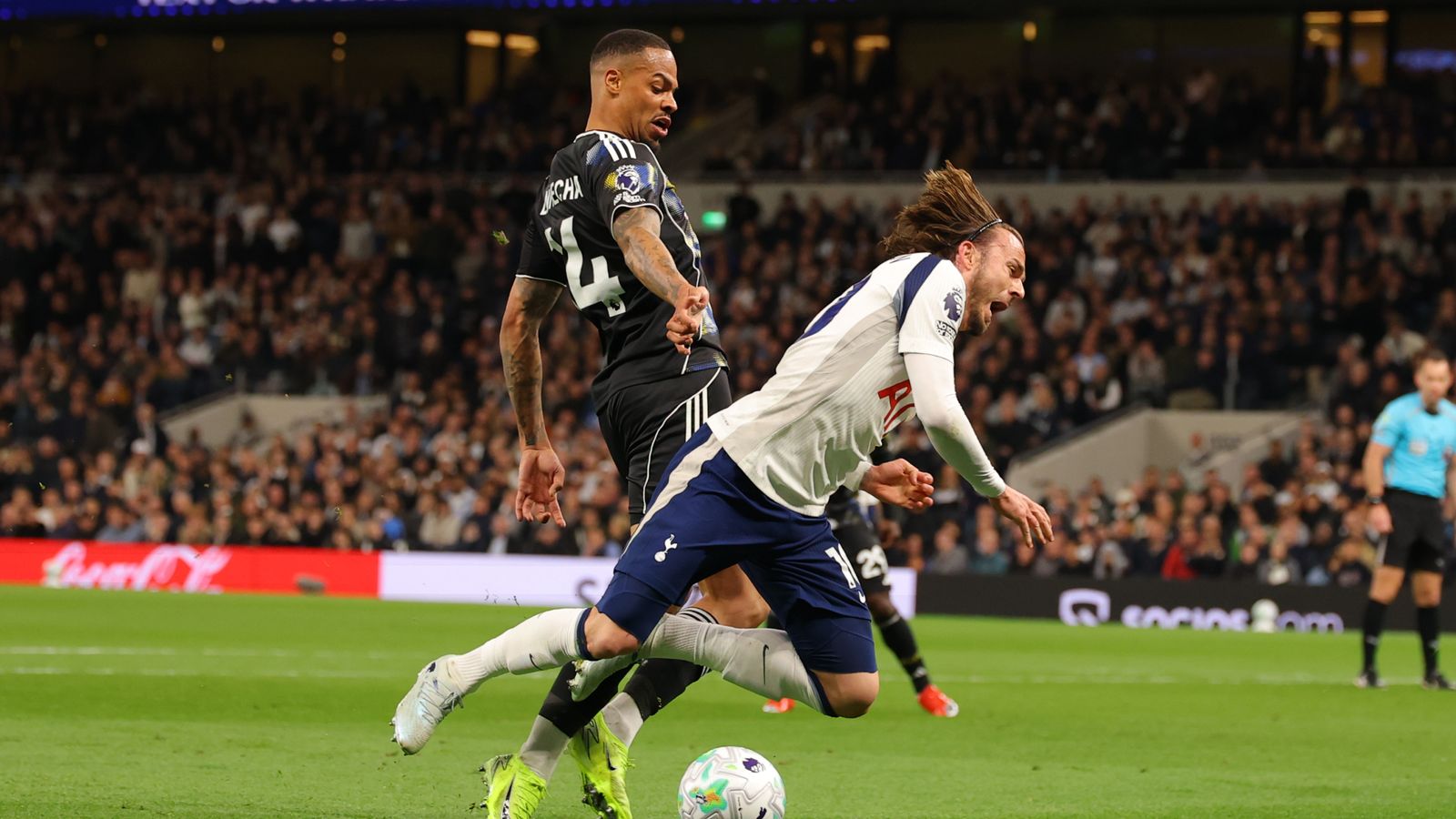
He does what he does best: he isolates the defender, drops his shoulder, and drives aggressively into the box. The Leeds defender, exhausted and a step slow after chasing shadows all afternoon, leaves a leg dangling. It’s an incredibly naive challenge in that area of the pitch, at that stage of the game. Maddison makes contact, goes down, and the entire stadium erupts in an appeal.
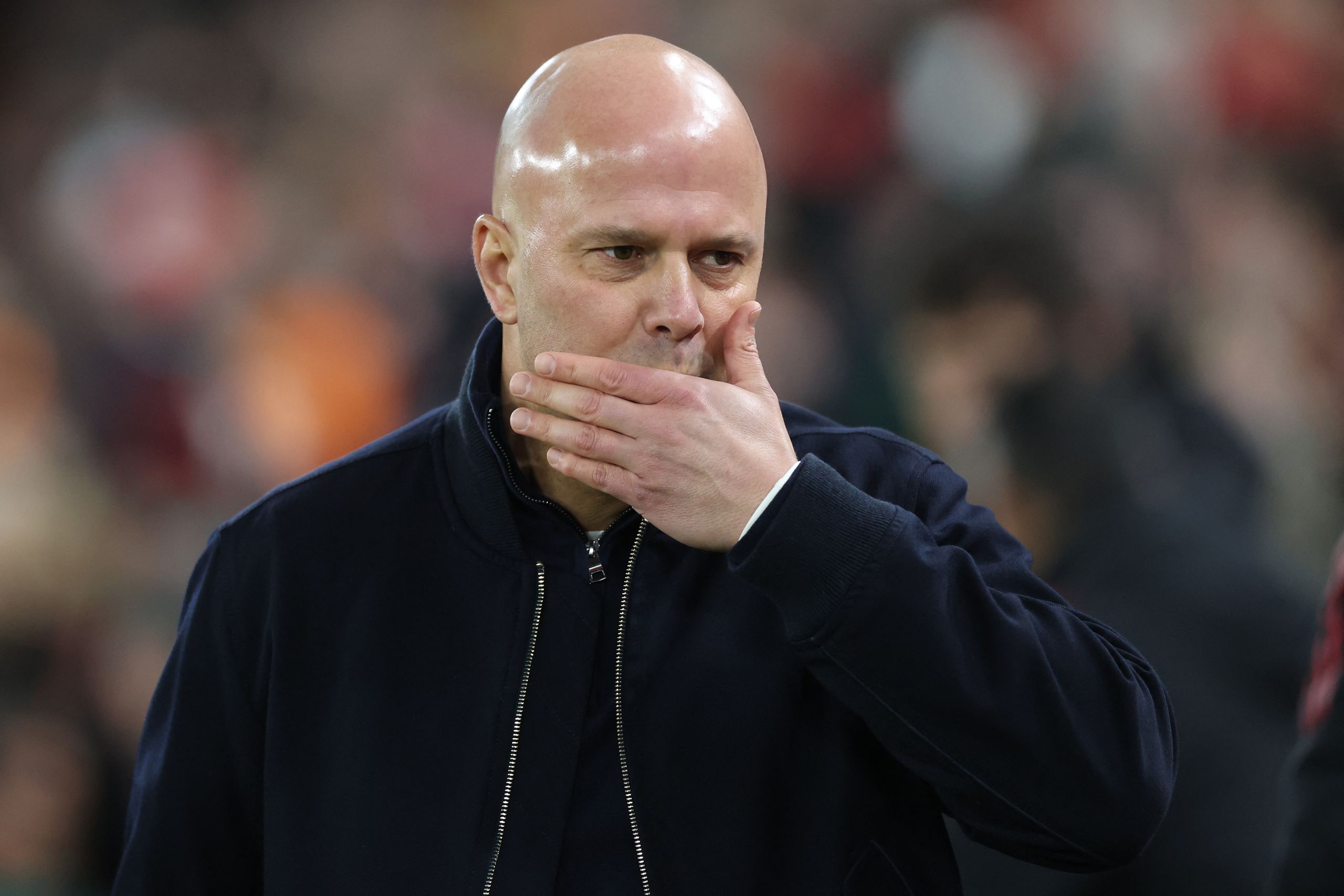
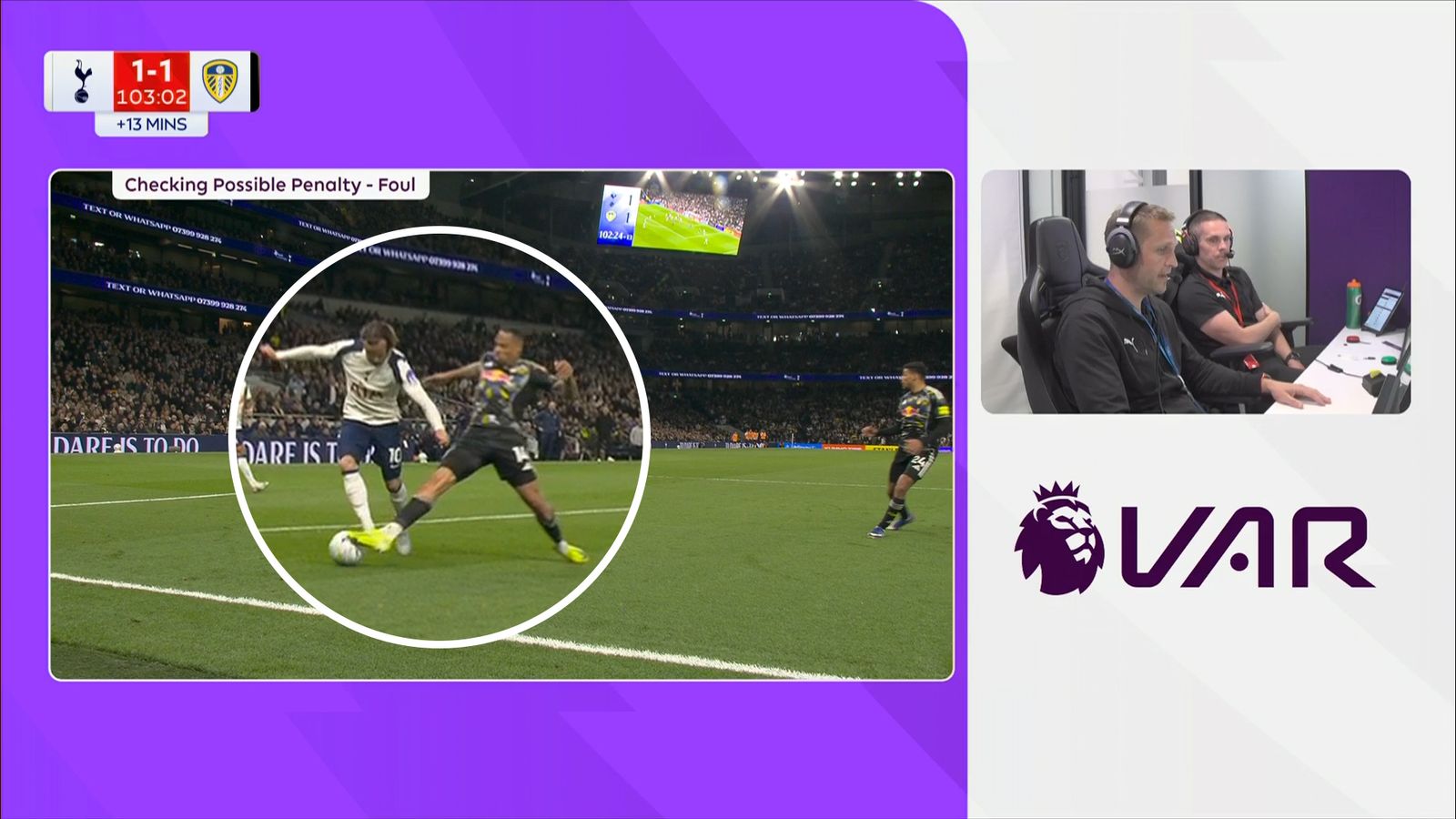
The referee waves play on immediately. VAR takes a look. The check is agonizingly brief. No penalty. The final whistle blows seconds later, cementing a 1-1 draw that feels like a massive defeat for the home side. Ange Postecoglou looks ready to spontaneously combust on the touchline.
The Tactical Failure Before the Drama
It is very easy to blame the referee. It is the cheapest, most comforting excuse in modern football. Postecoglou will undoubtedly point to that 103rd-minute decision as the moment they were robbed of two points. But focusing entirely on the officiating ignores the brutal reality of the preceding 90 minutes.
Why were Spurs relying on a highly subjective penalty call deep in extra time to beat a newly-promoted Leeds United at home? The answer lies in a complete failure of tactical adaptation from the coaching staff.
For the entire second half, Tottenham’s buildup play was painfully static. Leeds recognized early on that if they cut off the central passing lanes to Son Heung-min and forced the ball wide into less dangerous areas, Spurs lacked the overlapping threat to punish them. Instead of exploiting the half-spaces or introducing a physical target man to disrupt the Leeds center-backs, Spurs resorted to endless, sterile lateral passing.
The tempo dropped dramatically. The attacking patterns became entirely predictable. Postecoglou's refusal to adapt his shape against low blocks remains a massive, glaring blind spot in his managerial profile. When the primary plan of relentless high-pressing and quick transitions is nullified by a team willing to sit deep and absorb pressure, Tottenham look devoid of ideas.
You simply don’t get to complain about a late refereeing decision when your team spends the entire second half producing a pitiful xG of 0.34. That is not the output of a team that deserves to play in Europe's elite competition.
Giving Credit to the Leeds Defensive Masterclass
While the focus in North London will be entirely negative, we have to acknowledge what Leeds United accomplished yesterday. Coming into this fixture, very few gave them a chance to take anything away from the capital.
Their defensive organization was spectacular. The midfield double pivot worked tirelessly to screen the back four, never allowing Maddison or Dejan Kulusevski the time and space to turn and face goal. They forced Tottenham into playing low-percentage crosses, which their center-backs gobbled up with ease.
This wasn't just parking the bus; it was a calculated, disciplined defensive display. They knew exactly where the triggers were to initiate a press, and they knew exactly when to drop off and deny space behind. It is exactly the kind of performance that keeps teams in the Premier League, and it exposes the structural flaws in heavily possession-based sides that lack a killer instinct in the final third.
The PGMOL Problem and the Broken System
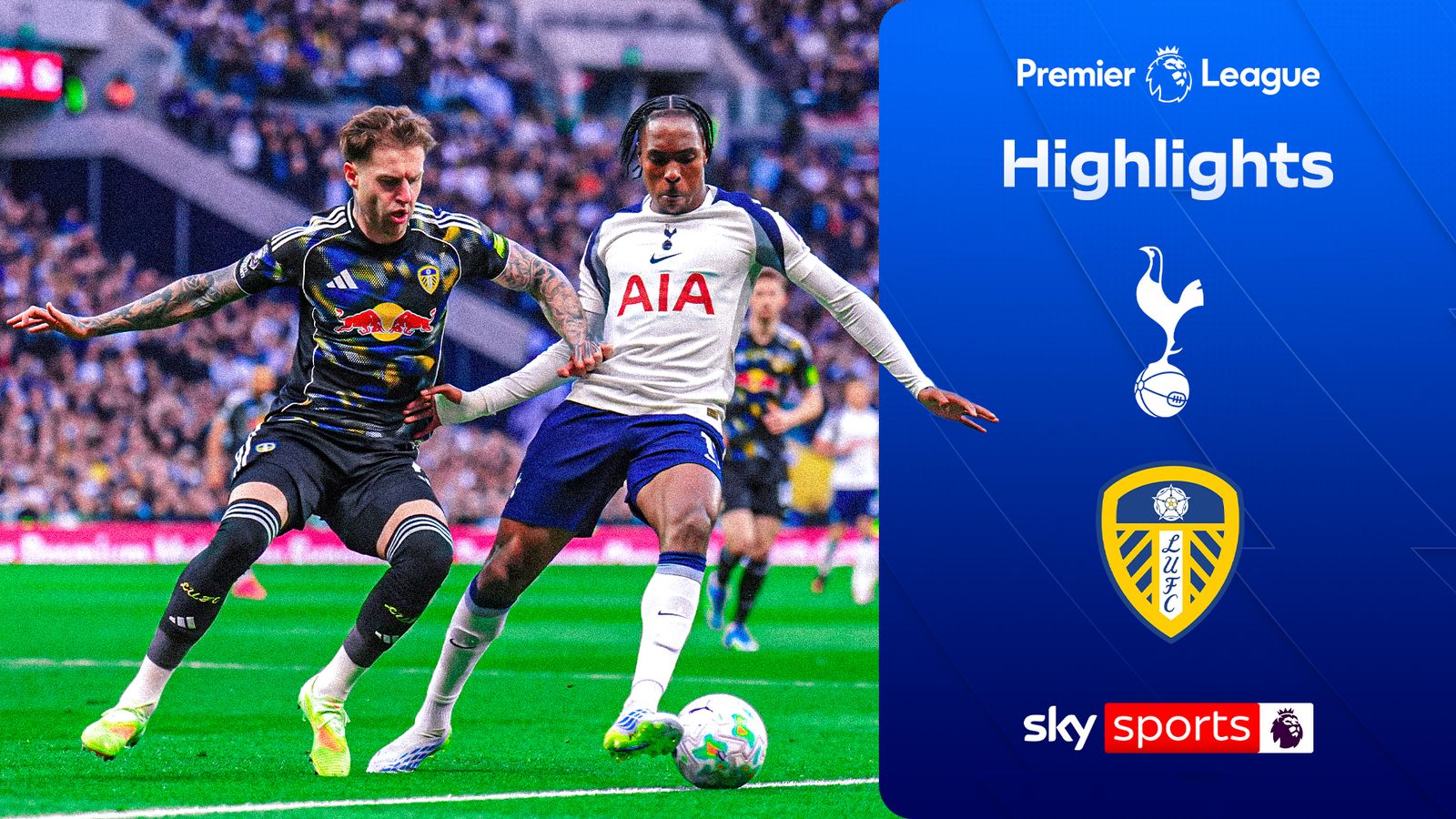
We still need to address the standard of officiating, because this non-call is a symptom of a much larger disease affecting the Premier League. As Sky Sports highlighted, this was undoubtedly the biggest VAR call in the last 24 hours, and it highlights a broken, inconsistent system.
We have seen significantly softer penalties given consistently throughout this campaign. The threshold for what constitutes a "clear and obvious" error has shifted so frequently since August that nobody—not the players, not the managers, and certainly not the fans—knows what the actual standard is anymore. Are we judging intent? Are we judging the severity of the contact? Are we judging whether the attacking player initiated the contact to draw the foul?
Maddison certainly engineered the contact. He dragged his trailing leg. He knew exactly what he was doing, inviting the challenge. But the defender committed to a tackle he was never going to win, and in any other area of the pitch, that is whistled as a foul immediately. The current VAR implementation is fundamentally broken because it relies on an arbitrary threshold that changes wildly depending on who happens to be sitting in the Stockley Park booth on any given matchday.
Predicting the Fallout and Final Standings
Here is exactly how the next week will play out. By Wednesday morning, PGMOL will release the audio of the VAR exchange. Howard Webb will appear on television, offering a carefully worded, diplomatic explanation about "subjective on-field decisions" and the necessity of maintaining a "high bar for intervention."
He will likely argue that the on-field referee had an unobstructed view of the incident and did not deem the contact sufficient, meaning VAR had no clear mandate to overturn it. It will be a masterclass in bureaucratic deflection. It will change nothing, and it will satisfy absolutely no one at Tottenham.
But the real, tangible consequence of this 1-1 draw is numerical. Dropping two points at home against a lower-half side in the middle of May is a mathematical disaster for a team chasing Champions League football. With the current point spread and their remaining fixtures, Spurs have left themselves with absolutely zero margin for error.
I predict, confidently, that Tottenham will finish outside the top four this season. The tactical stubbornness shown in the second half against Leeds, combined with this catastrophic drop in points, is a terminal combination. They simply lack the defensive solidity and the tactical flexibility to grind out results when their primary attacking patterns are neutralized.
The Harsh Reality Moving Forward
Spurs fans will spend the next week analyzing replays of Maddison going down from every conceivable angle. They will freeze-frame the exact millisecond of contact. They will post side-by-side video compilations of similar incidents that resulted in penalties for rival clubs like Arsenal or Manchester City. It’s a natural, frustrated reaction to dropping massive points at the worst possible time.
The much harder truth to swallow is that a team with serious ambitions of playing in the Champions League shouldn't be relying on a coin-flip penalty decision in the dying seconds against Leeds United. They were beaten tactically long before the referee made his final, controversial call.
This match violently exposed the structural flaws in Postecoglou’s system. Until he develops a reliable secondary plan for breaking down stubborn, low-block defenses, Spurs will continue to drop points in these exact scenarios. The VAR decision is just a convenient, noisy scapegoat for a deep, systemic failure that requires a serious overhaul in the summer transfer window.
Read Next
- Why the West Ham VAR drama has broken Premier League social media
- Why the timeline is fractured over De Zerbi's incredible post-match meltdown
- Premier League's Defining Moments: Top 10 Narratives of 2025/26
- De Zerbi needs a tactical revolution to stifle Leeds
- 🏟 EFL Championship 2025-26 — Promotion Race & Play-Off Final Hub
- 🏆 Europa League Final 2026 — Full Coverage Hub