The psychological meat grinder of May
There is nothing in global football quite as brutal as the EFL Championship play-offs. After a grueling 46-game slog where squads are stretched to their absolute physical limits, four teams are asked to reset and play what amounts to a mini-tournament for the biggest financial prize in sports. The physical exhaustion is obvious. The psychological toll is what actually decides the ties.
Look at the historical data regarding the team that finishes third. Entering the play-offs after narrowly missing out on automatic promotion is a near death sentence. You have spent the last two months chasing the top two, emptying the tank, only to fall short on the final day. That hangover bleeds directly into the semi-final first leg. The third-place team often controls possession, presses high, and ultimately gets picked off by a side carrying less mental baggage.
Meanwhile, the team sneaking into sixth place enters with house money. They spent April playing knockout football just to get in. Their momentum is real, and it translates directly into a tactical advantage. They do not feel the crushing pressure of expectation. In a league where marginal gains matter, that psychological freedom is worth a goal a game.
It is a stark contrast in emotional preparation. The third-placed manager is spending the week leading up to the semi-final trying to rebuild shattered confidence. The sixth-placed manager is simply keeping the engine running. In a two-legged tie where the margins are razor-thin, I will back the team riding the wave over the team nursing a grievance every single time.
The tactical shift in high-stakes ties
Championship football from August to March is heavily defined by high pressing and possession-based systems. Managers want control. But when May arrives and legs are heavy, high pressing becomes a liability. The spaces between the midfield and defensive lines start to stretch. Teams that insist on playing a high line in the play-off semi-finals routinely get exposed.
The smartest managers in the division understand this. We have seen a definitive shift in recent play-off campaigns toward a mid-block, transition-heavy approach. You do not need the ball to control the game. By dropping the line of engagement ten yards deeper, teams force the opposition—usually that frustrated third-place side—to break down a set defense.
When the turnover happens, the transition is vicious. Wide players isolate tired fullbacks. The analytics back this up completely. In the last five years of play-off semi-finals, the team with less possession has advanced the majority of the time. The xG models often fail to account for the game-state dynamics of a two-legged tie where away goals no longer carry extra weight. You survive the away leg, keep the block compact, and hit them on the counter when they over-commit.
Tracking data from recent seasons highlights this trend perfectly. Sprint distances drop by nearly 15% in play-off fixtures compared to early-season averages. You simply cannot execute a relentless pressing game after a 46-game domestic campaign. The teams that try end up leaving massive gaps in the half-spaces, handing the initiative directly to their opponents.
Set pieces and the physical threshold
As open play becomes disjointed due to fatigue and conservative tactics, set pieces become the dominant currency of the play-offs. A well-worked corner routine is suddenly more valuable than sixty minutes of sterile possession. We see it every year: a tight, tense affair unlocked by a near-post flick-on or an inswinging free-kick delivery.
The threshold for fouls also tends to rise in these fixtures. Referees understand the magnitude of the occasion and often let the game flow, ignoring minor infractions that would guarantee a whistle in November. This shift favors the physically robust teams. If your midfield relies heavily on drawing fouls to relieve pressure, you will struggle when the referee swallows his whistle.
This dynamic heavily punishes technical sides that lack physical presence in the spine of the team. When the game descends into a battle for second balls, the team with the dominant defensive midfielder and aggressive center-backs gains a massive foothold. You have to win the ugly battles before you earn the right to play the ball on the ground.
Why parachute payments distort the math
We cannot discuss the play-offs without addressing the financial disparity that currently defines the Championship. Teams dropping down from the Premier League arrive with parachute payments that allow them to retain top-tier talent. This creates a two-tier system within the division. A recently relegated side might stumble into the play-offs due to a mid-season managerial change, but their underlying squad quality remains unmatched.
When you put a squad built on parachute payments into a high-pressure play-off tie against a traditional Championship club punching above its weight, the talent gap reveals itself. The underdog might run harder, but in the 85th minute of a tight game, the team that can bring an expensive striker off the bench has a profound advantage.
However, having the best squad does not guarantee success if the tactical setup is naive. We have seen heavily favored teams crash out because they refused to adapt to the ugly reality of play-off football. They try to pass the ball through congested central areas, turn it over, and concede from a set piece. It is a recurring nightmare for purists, yet it happens with alarming regularity.
The statistical anomaly of the first leg
The opening leg of a play-off semi-final is almost always a cagey, risk-averse affair. Managers are terrified of losing the tie in the first 90 minutes. This leads to a distinct pattern: low blocks, conservative fullbacks, and a reliance on set pieces. It is terrible for the neutral viewer but entirely necessary for the participants.
This is where expected goals (xG) can be incredibly misleading. A team might generate an xG of 1.5 in the first leg, but if that comes from low-probability long shots and contested headers, it does not reflect true dominance. The team that creates two high-quality transition chances, even if their total xG is lower, is actually executing the better game plan.
The away leg is about survival. The home team will fly out of the traps in the opening twenty minutes, backed by a hostile crowd. If you can weather that storm, drop into a 4-4-2 out of possession, and force them to play sideways, the anxiety eventually shifts from the away dugout to the home stands. That is the exact moment you strike.
My prediction for the semi-finals
The recent Sky Sports poll asking fans to vote on the semi-final winners perfectly illustrates the public bias. Fans overwhelmingly vote for the sides that played the most attractive football during the regular season. They look at the goal difference and the highlight reels. But play-off football does not care about your goal difference from November. It only cares about your defensive organization in May.
Consider the role of the goalkeeper in these matches. Over a 46-game season, a goalkeeper who excels at sweeping and distribution is invaluable for a possession-based team. In the play-offs, those traits become secondary. You need an elite shot-stopper who can command his box during the inevitable barrage of late set pieces. The team finishing sixth inevitably relies on this exact profile of keeper to weather the storm during the away leg. They will make five saves, relieve pressure by claiming crosses, and fundamentally alter the tie.
Looking at the structural realities of the EFL right now, I am making a definitive call. The team that finished third is going to crash out in the semi-finals. They will dominate possession in the first leg, fail to break down a resolute defense, and get caught on the counter-attack in the second leg.
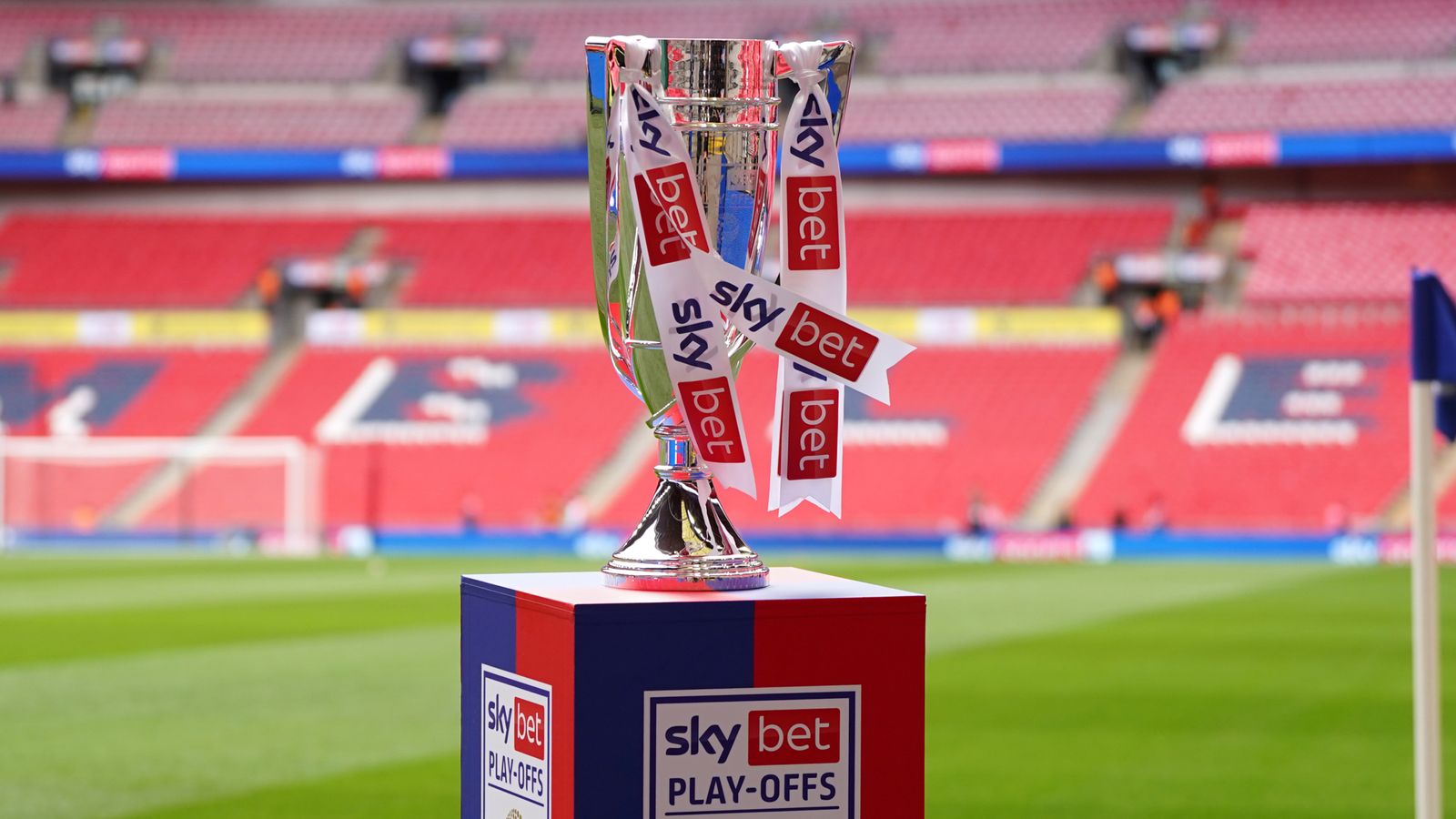
The winner of the play-offs will be the team that finished sixth. They have the momentum, the lack of expectation, and the tactical flexibility to sit deep and absorb pressure. They are going to ride a hot goalkeeper and a pragmatic, ugly mid-block all the way to Wembley. They will advance comfortably on aggregate, despite likely losing the xG battle in both legs. That is just the grim, beautiful reality of the Championship.